What exactly is Street Art Graffiti?
As we stroll through the streets and alleys of Hong Kong, amidst the familiar urban landscape that we’ve encountered countless times, there’s always a splash of distinctive color waiting to catch our eye.
Amidst the dense buildings and bustling streets, the artist’s voice comes alive through paint, finding its way into the cracks and corners of the cityscape.
From Sham Shui Po to Wan Chai and even Sheung Wan, graffiti adorns every available inch of wall space.
Despite its rich history, street art in Hong Kong has frequently been dismissed as a niche art form, overshadowed by more traditional artistic expressions.
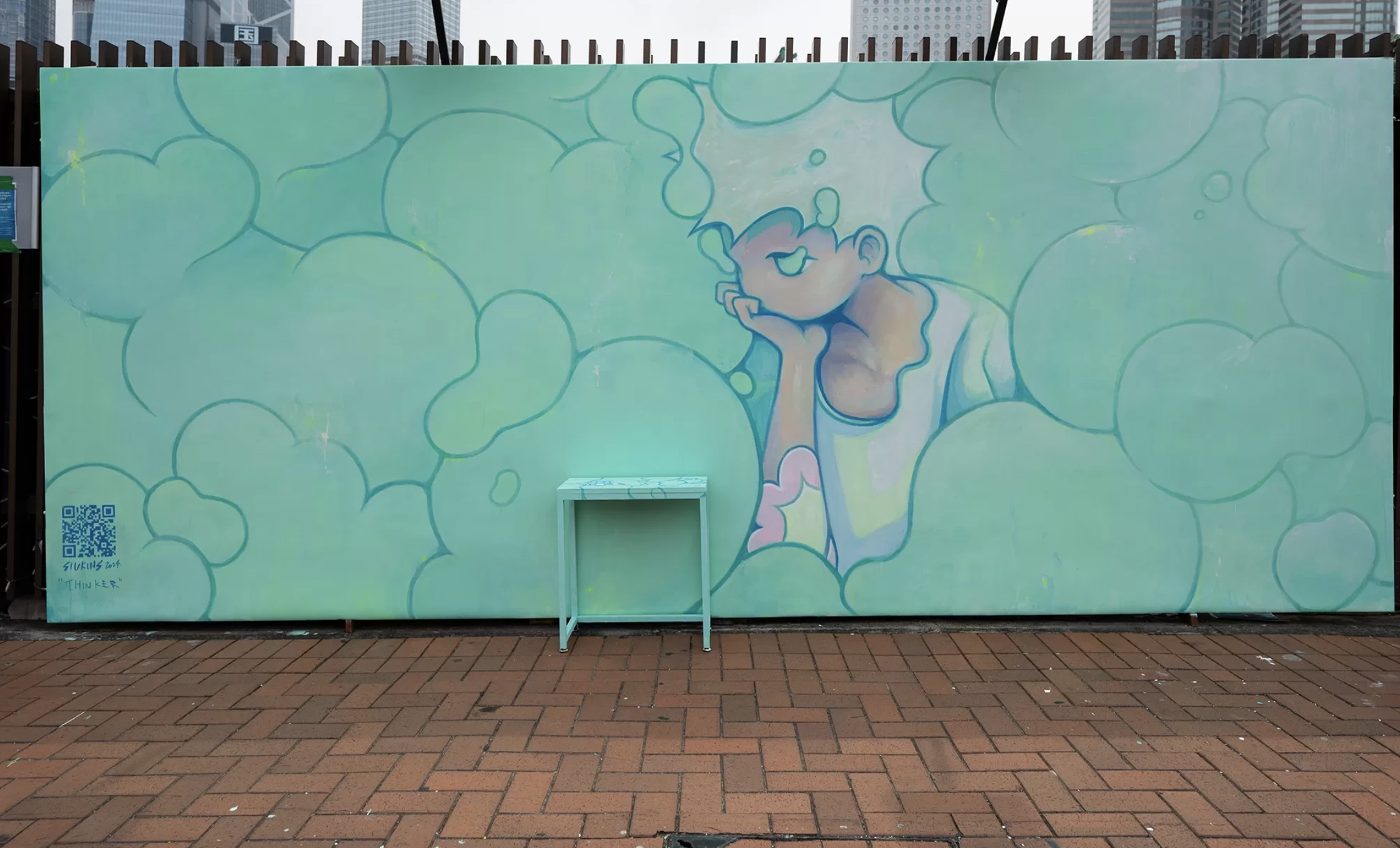
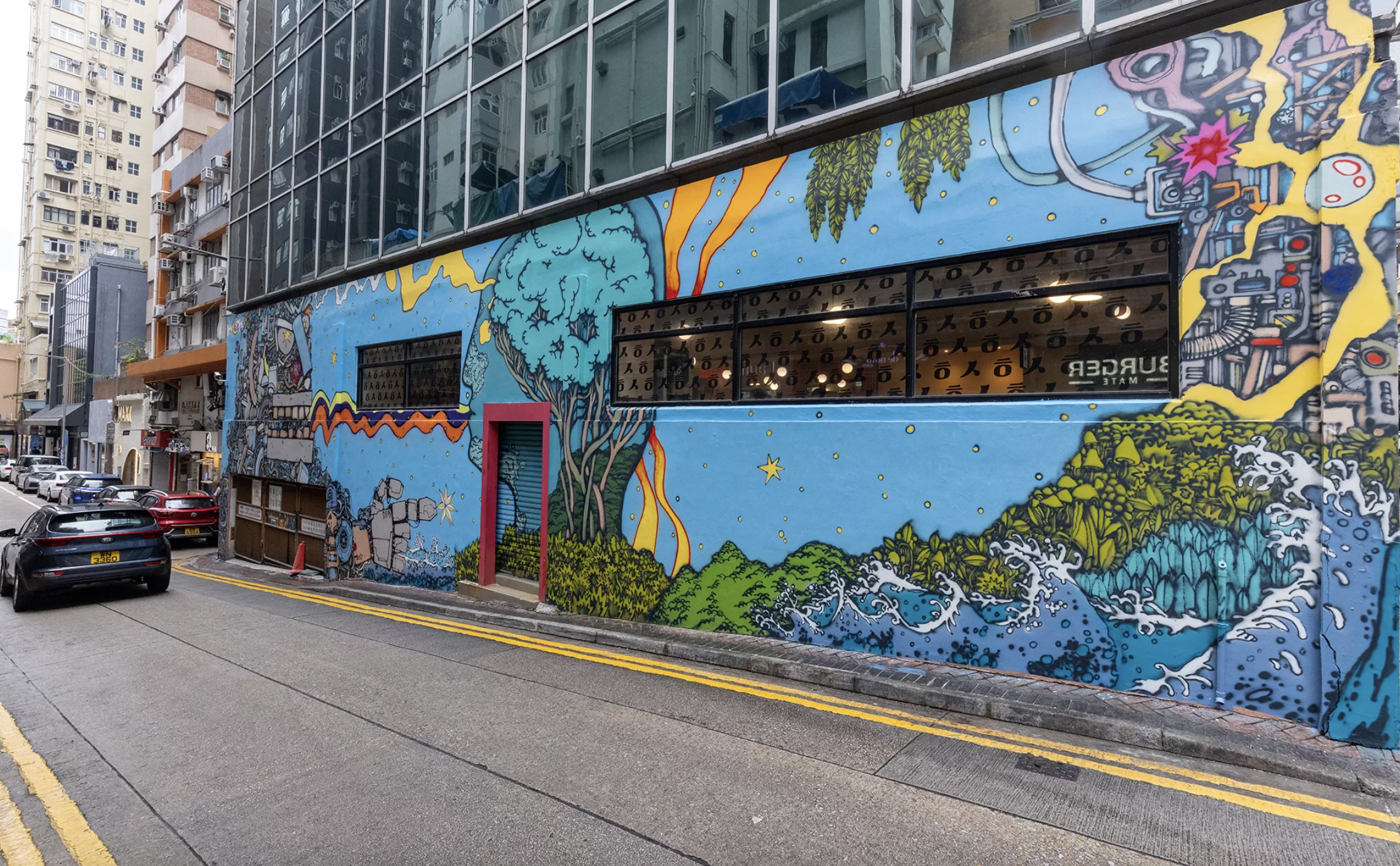
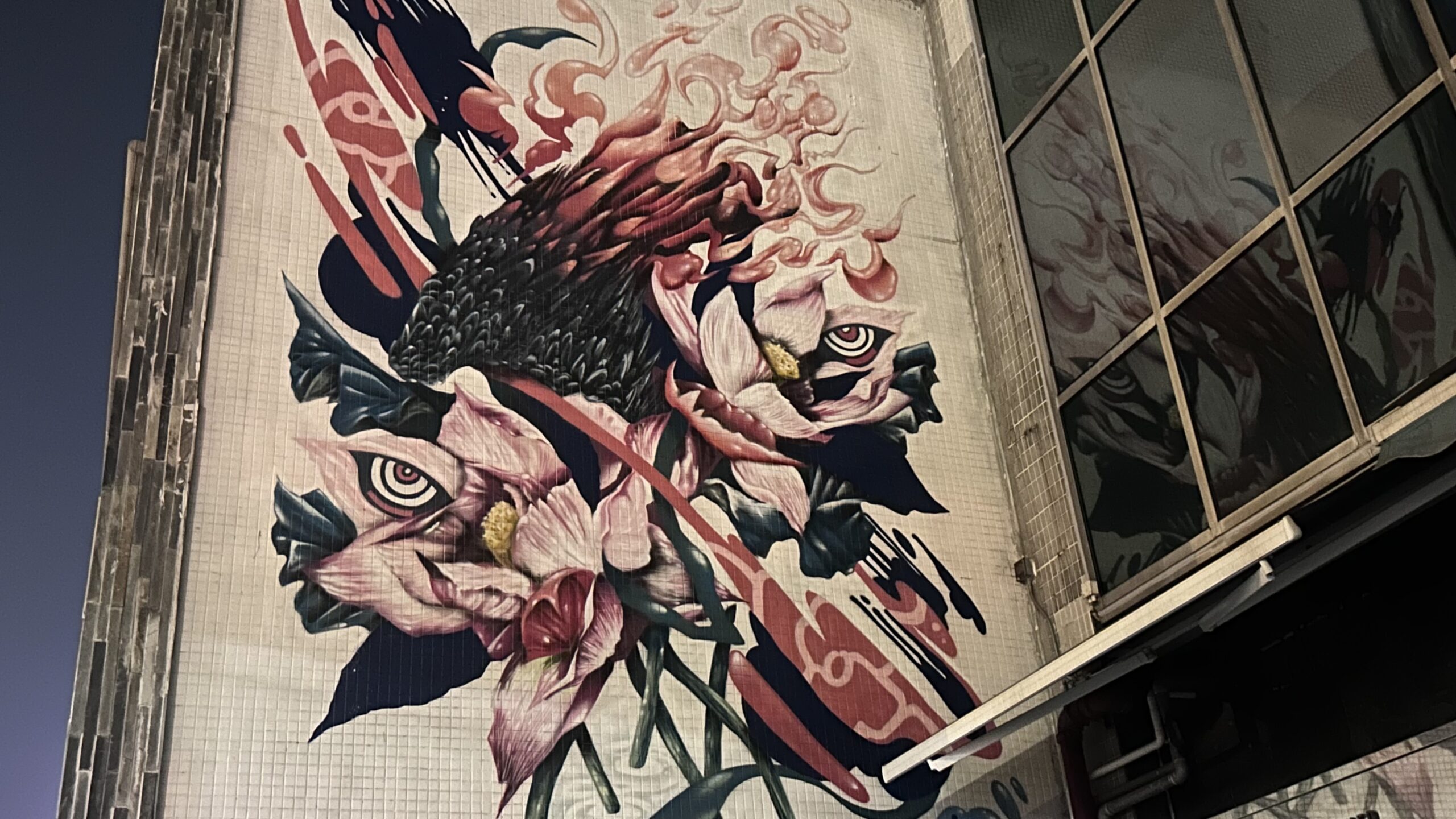
HKWALLS is a non-profit arts organization that hosts an annual street art festival in Hong Kong.
The 9th edition of the HKWALLS Street Art Festival took place from March 23rd to March 31st this year. This festival welcomed both international and local artists to paint large walls across the Central and Western Districts of Hong Kong. The organization provided the necessary walls, paint, and technical support for the selected artists to create their art.
In addition to the traditional wall paintings, the 2024 festival introduced a 4,000 square-meter digital animation art piece titled “Vltraphotonics” by acclaimed Spanish artist J. Demsky. This digital art piece was displayed on the LED facades of the Tsim Sha Tsui Centre and Empire Centre, adding a new dimension to the festival.
HKWALLS has opened its doors to talented artists from Hong Kong and across the globe, inviting them to participate in the highly anticipated 2024 festival. Intending to foster creativity and promote street art and culture, the festival provides a global platform for artists to showcase their exceptional talent.
The festival is a melting pot of artistic expression, bringing together established and emerging artists from around the world. It’s a unique opportunity for artists to connect with their peers, exchange ideas, and push the boundaries of creativity. With 242 galleries from 40 countries and territories participating, the festival is set to be a vibrant and dynamic celebration of street art and culture.
We had the privilege to interview three incredibly talented and unique artists – Nut, who has made a name for himself as China’s first “celadon style” graffiti artist, Tron, a Czech artist whose graffiti work is known for its striking colors and intricate designs, and Siukins, a young newcomer to the scene who is pushing the boundaries of traditional graffiti with his innovative and evolving style. It was fascinating to hear their perspectives on the art form and witness graffiti’s evolution and innovation in the times.
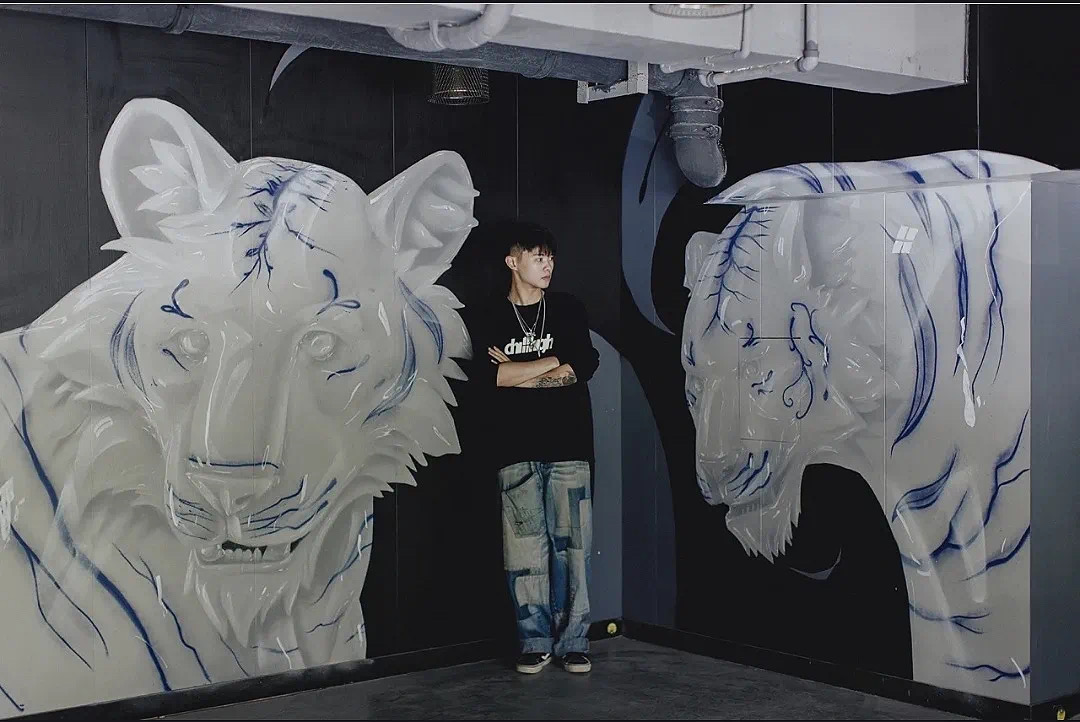
Name:Nut
Age: 23
Nationality: China (Mainland)
Gender:Male
Graffiti style: Chinese blue and white porcelain style
At 13 years old, a boy in China discovered graffiti online and it changed his life. He was captivated by the bright and bold world of street art. What started as a simple interest quickly grew into a deep passion. Today, at 23, Nut is a celebrated graffiti artist, poised to take his art to international canvases.
Nut’s interest in graffiti began when he tried to copy a Banksy stencil of a rose. “My initial attempt was not perfect, but it sparked my creativity and inspired me to explore the art form further.” Said Nut. He is attracted by graffiti because it can merge culture, identity, and expression in a bold and public way.
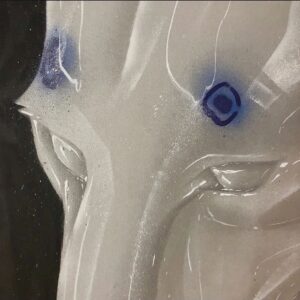
Celadon porcelain gives Nut’s graffiti a unique texture and depth
Nut’s art is a mix of planning and spontaneity. Before he starts, he checks out the place he’ll be working in to get ideas. He wears a graffiti mask and uses special spray caps for his art.
“I usually make a rough sketch, but the final art is mostly made up on the spot,” Nut says. This way, each piece is unique and fits its surroundings.
Nut likes big, empty walls in nice places for his art. “I want my art to be seen all over,” he says. His art has gone from small alley walls to big city spaces, showing how far he’s come in his career.
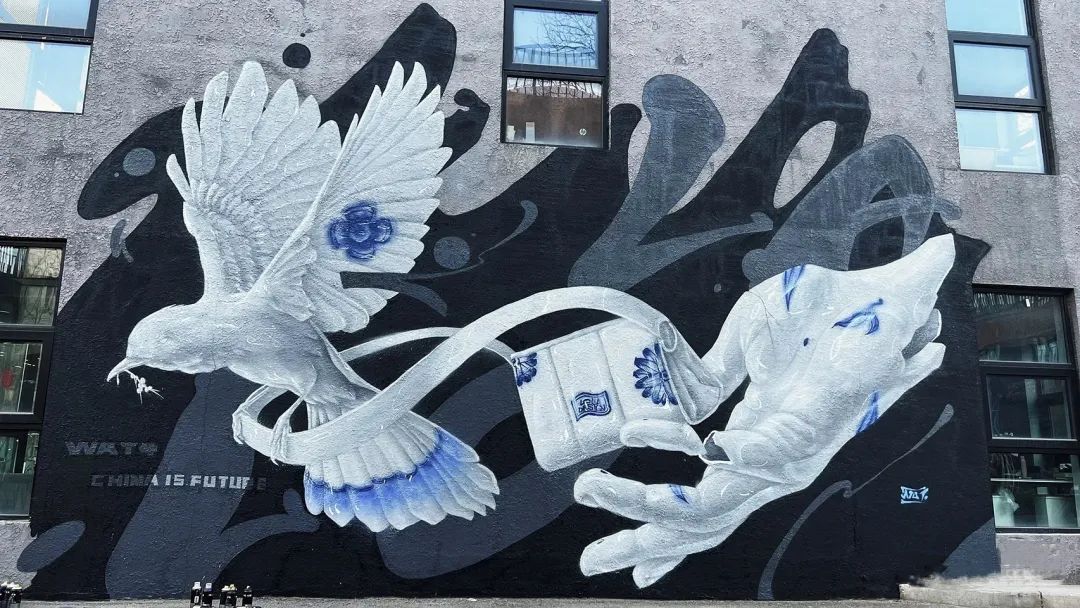
Nut’s graffiti work “Born to the Wild” in Beijing, credit:Nut
Despite the increasing acceptance of street art, misunderstandings remain. Some people view graffiti as mere vandalism, a chaotic defacement of public property. Nut, however, sees it as a positive force. “Graffiti is assertive. It’s a symbol and a spectacle,” he said. For him, the essence of graffiti lies in its audacity to be seen and its capacity to surprise and engage the public. It’s about authenticity and self-expression, attributes that make it not only a form of art but also a form of cultural commentary.
“I hope graffiti will become more widely accepted and respected, just like other forms of art.” Looking ahead, Nut is excited and optimistic about the future of graffiti. Nut wants to experiment with new techniques, combining traditional methods with digital media to create new forms of expression. In the near future, Nut plans to showcase his talent on a global stage, participating in art projects worldwide.
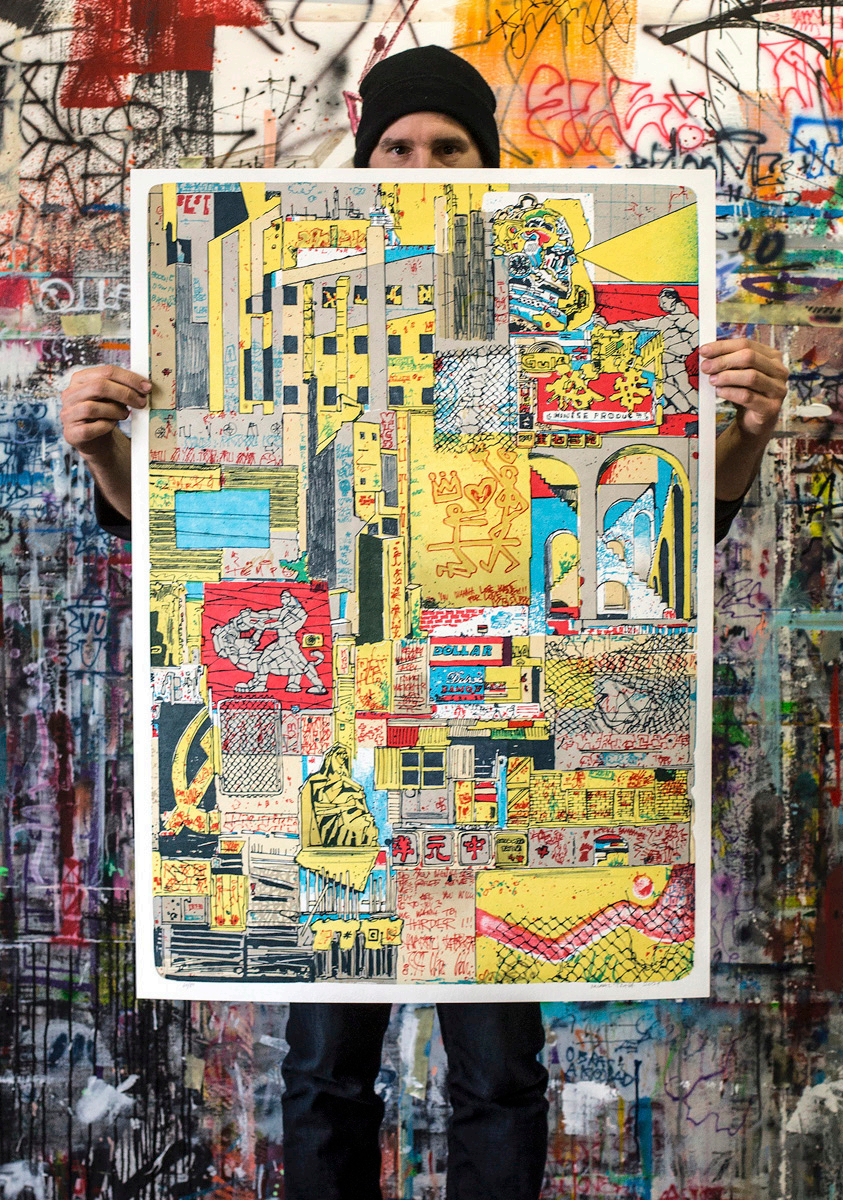
「Profile」
Name: Michal Škapa / Tron
Year of birth:1978
Nationality: Chech
Gender:Male
Graffiti style: Subculture
Art format: Murals, acrylicmanuscript abstraction and airbrush figurative compositions to site-specific installations and spatial objects.
Filled with bold colour and creative lines, it seems like Michal Skapa’s works are all often full of vibrancy and energy. “Making city alive” is actually one of his creating concepts.
When asked about his philosophy in graffiti creation, Michal said that graffiti and murals are something really good for the city, it’s like a kind of a proof that the city is alive, a proof the people living there are enjoying their public space together and can make the city energetic and vibrant.
The style of Michal’s arts is actually quiet obvious and distinguishable, the dramatic use of colour combined with some text inside it. It is not hard to notice there are letters within the paintings that are actually some fragments from rap text or poetry. Michal explained that he created his own alphabet which is based on the Latin alphabet but he made every letters a little bit different.


I enjoy incorporating coded texts into my work, using them as lines. Recently, I created a grid of concentric circles and wrote the alphabet inside them, similar to modern coding found on CDs, DVDs, or computer hard disks. I’m exploring the possibilities and limits of text and coding, while also creating detailed drawings and paintings that incorporate architecture and fragments. From these fragments, I construct larger structures.
When asked about where does his inspiration comes from, he said subculture plays an important role in his creation. Growing up in Czekh, Michal’s options were limited to official culture as many other kids. There were no alternatives where to go or what music to listen to or what to do. After gaining more freedom in Czekh, they boldly explored new cultural dimensions, including music clubs and graffiti.
“This was part of a broader hip-hop movement, which was very influential.Most of the influence on my work came from Berlin, a city not far from Prague and a hub for these cultural exchanges,” said Michal.
For Michal, subculture represents both freedom and a form of rebellion against established norms. “Initially, it felt like a breath of fresh air, allowing us to explore beyond previous restrictions. It also represented a pushback against our parents’ generation, ”said Michal.
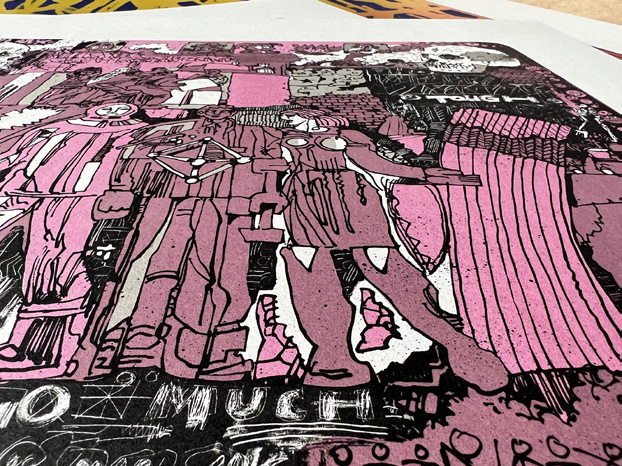
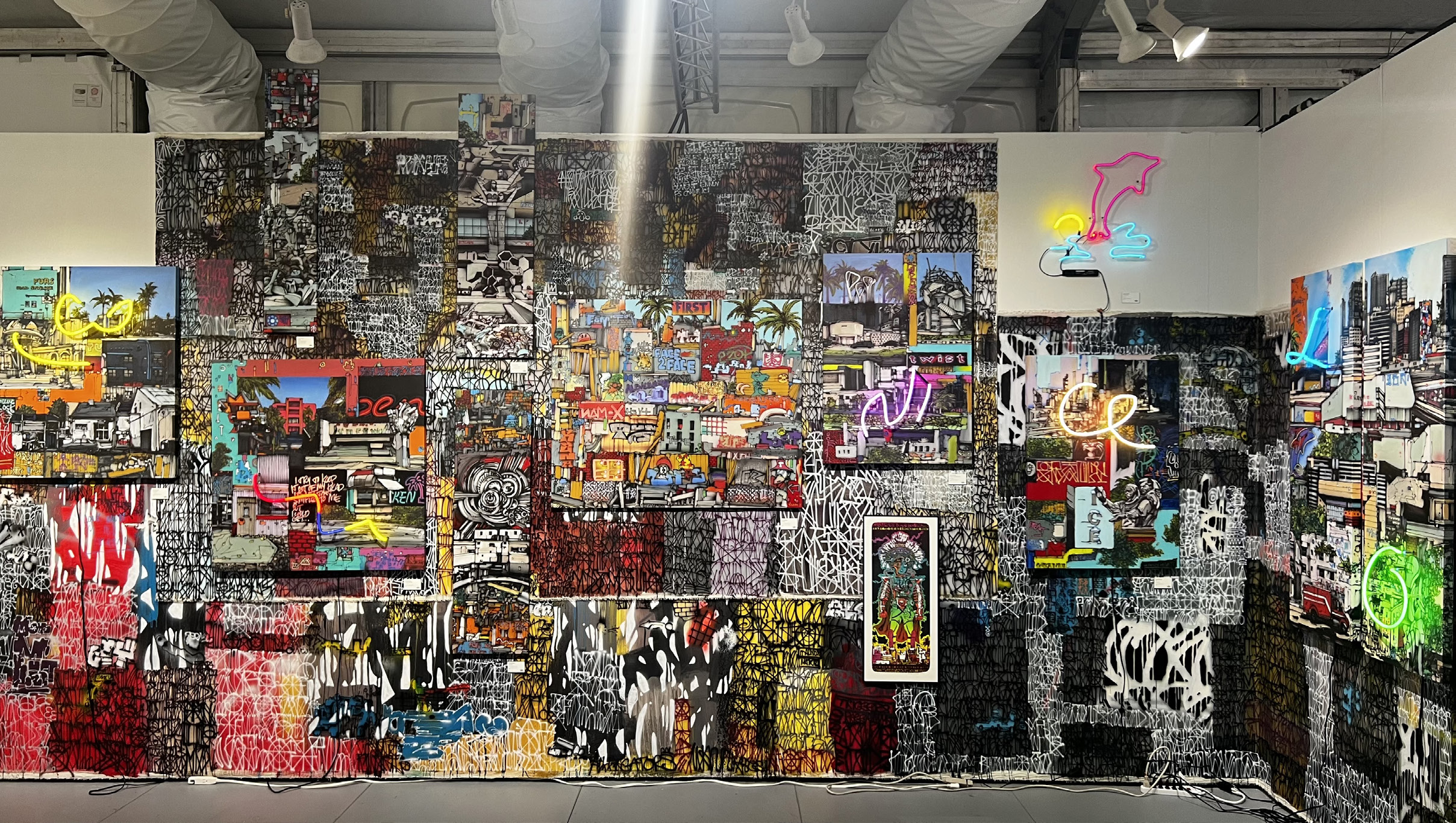
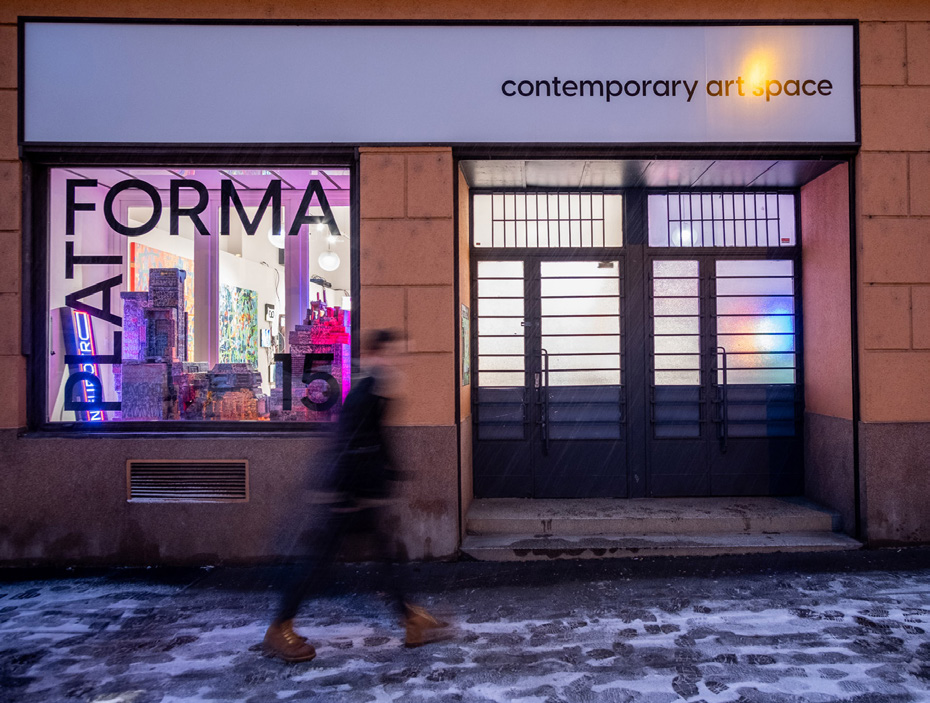
Michal Skapa has became interested in graffiti about 30 years ago. Since his childhood, he has been drawn to drawing and painting. He took painting courses and often visited exhibitions with his parents. Around 2003 or 2004, he started painting outside, particularly when his country underwent a system change and Western influences. At that time,western culture including graffiti began to permeate the Czech Republic.
Although he followed the rules to paint, he think the city shouldn’t ban it and it’s about finding a balance and respecting both the art form and the community standards since street art and graffiti bring vibrancy and life to urban environment. It’s important to differentiate the layers within street art and recognize its value beyond mere visual impact. While some view it as vandalism, many appreciate its ability to transform spaces and provoke thought.
For the future, Michal will continue painting and he is also planning to come back to Hong Kong not too far from now. For the style, he aims to continue exploring new locations and techniques and he mentioned incorporating neon lights into creation particularly,which is a traditional culture in Hong Kong used on many shop signs in the past.
When we doing research about graffiti, we have realised this format of arts is illegal in Hong Kong currently. There are specific clauses restricting it in legislation, thus some graffiti are actually underground issues. So we discussed about this problem with Michal, and his attitude is pretty clear.
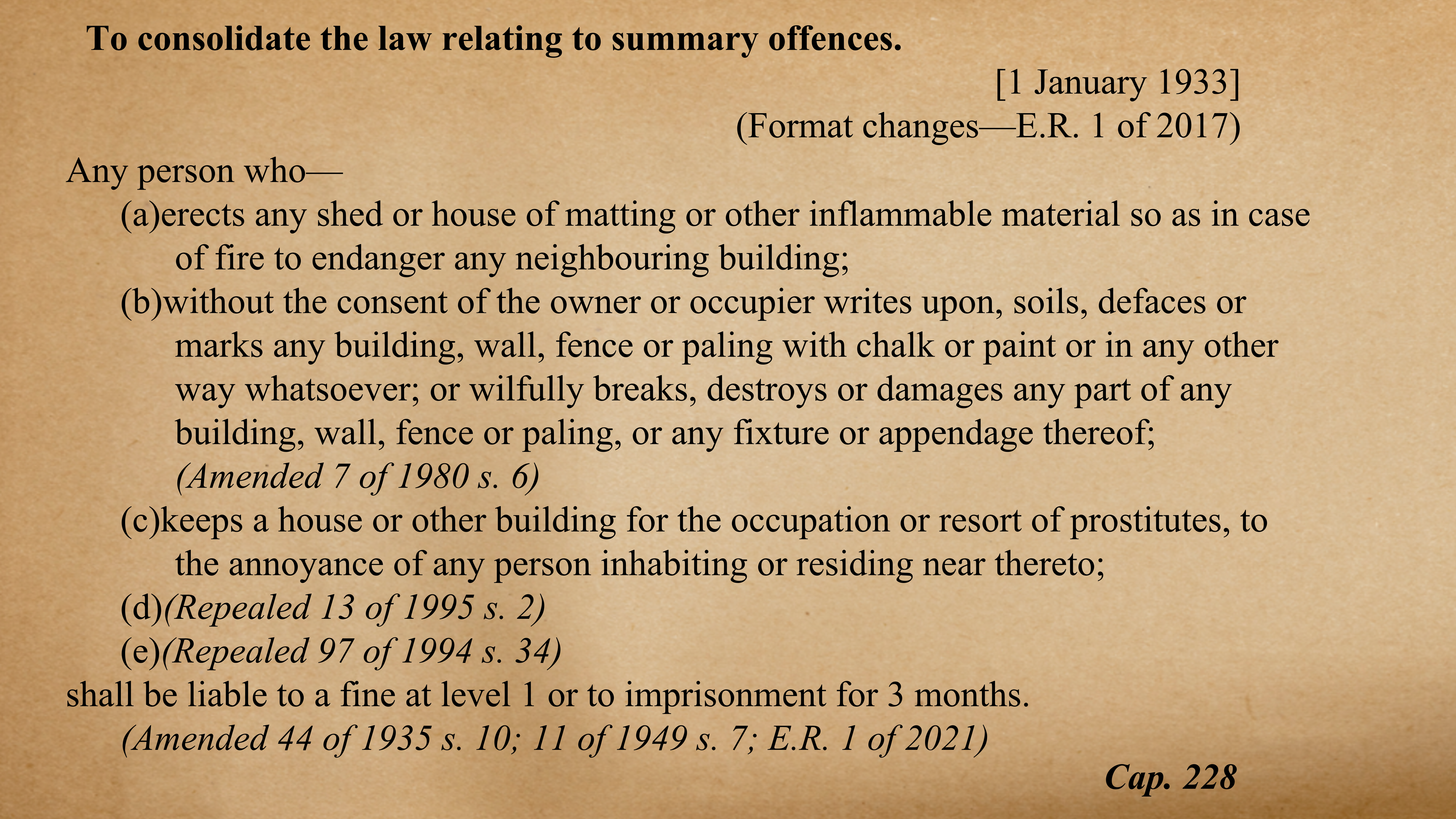
In HK, unauthorized graffiti is illegal and is considered as a criminal act. However, there are designated zones where artists can legally create their works. When painting larger works, negotiations with city officials or property owners are necessary. Despite the legal challenges, the spirit of graffiti remains strong.
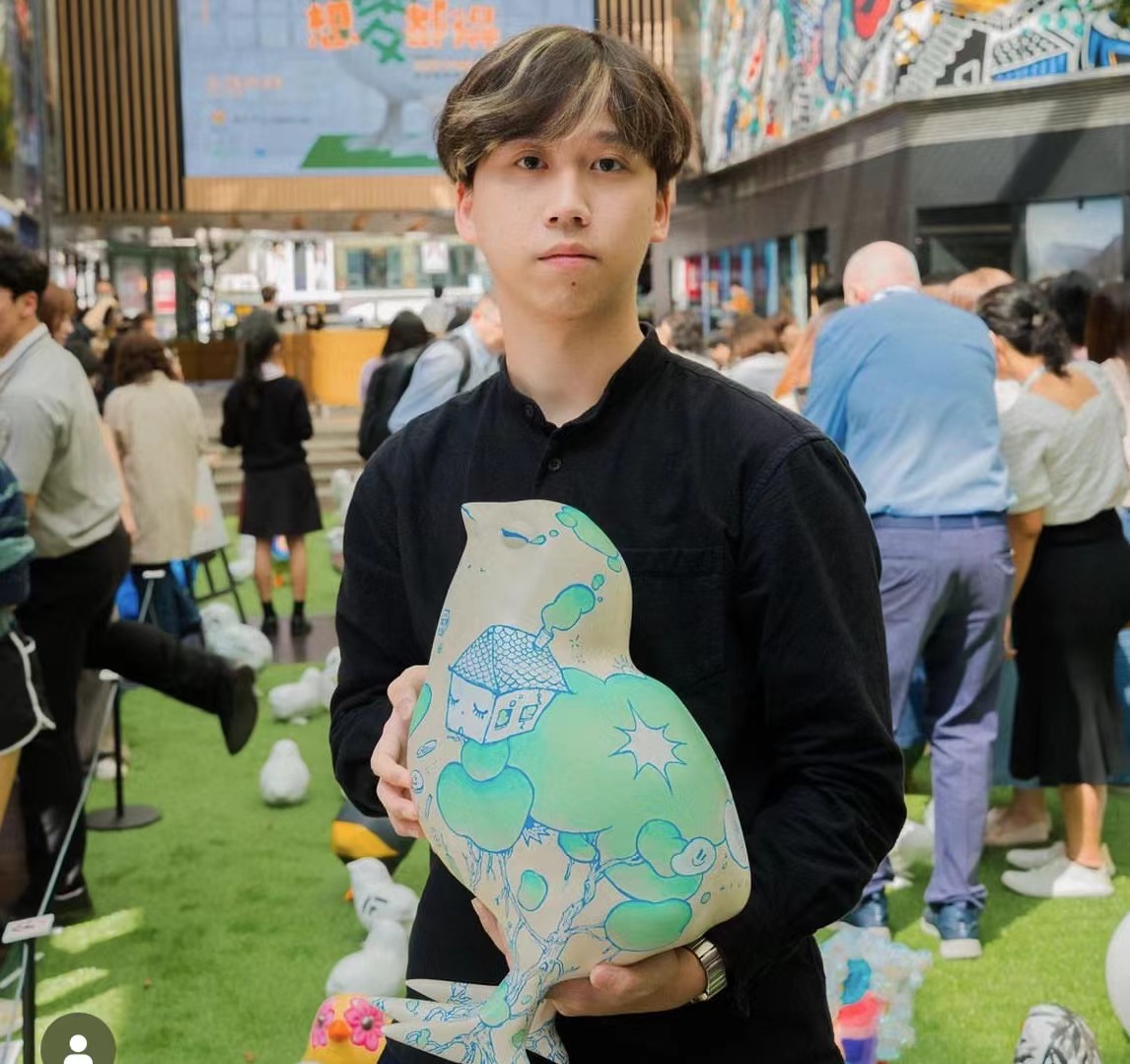
Name:Siukins
Age: 29
Nationality: China (Hong Kong)
Gender:Male
Graffiti style: Japanese comic style
Graffiti is fun and allows for a direct creative process without overthinking for too long. Once it’s done, it’s done and it has a greater impact.
Siukins is a 29- year-old freelancer and artist, mainly focusing on painting on canvas, digital art, and sculpture. From a young age, Siukins had a passion for doodling on books. A little story: His mother used to help him sign up for competitions, and one time he participated in a city-wide contest and won second place. Although his mother contributed a significant portion to the artwork, it gave him a great deal of confidence and marked a turning point in his artistic journey. Initially, Siukins started by drawing bubbles.
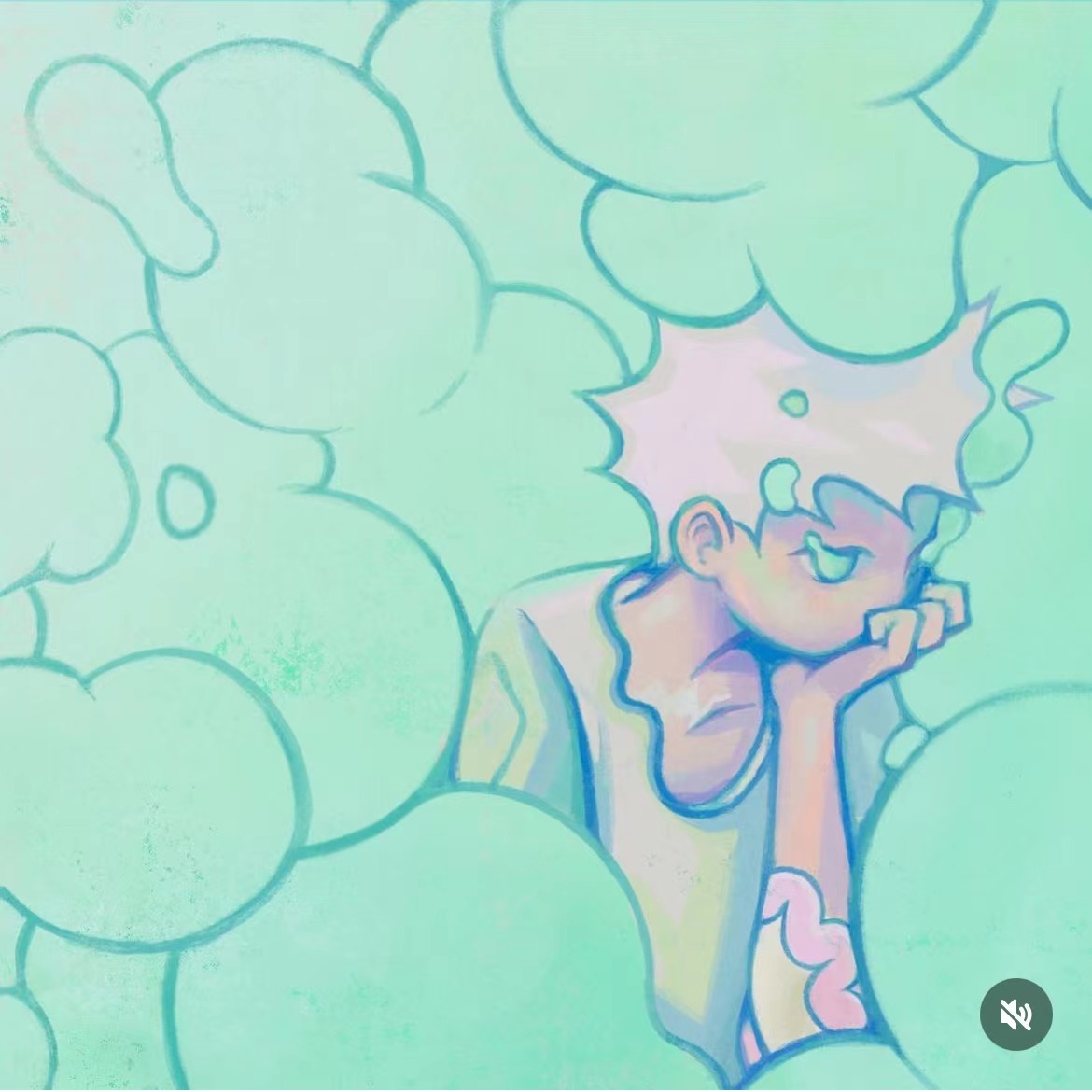
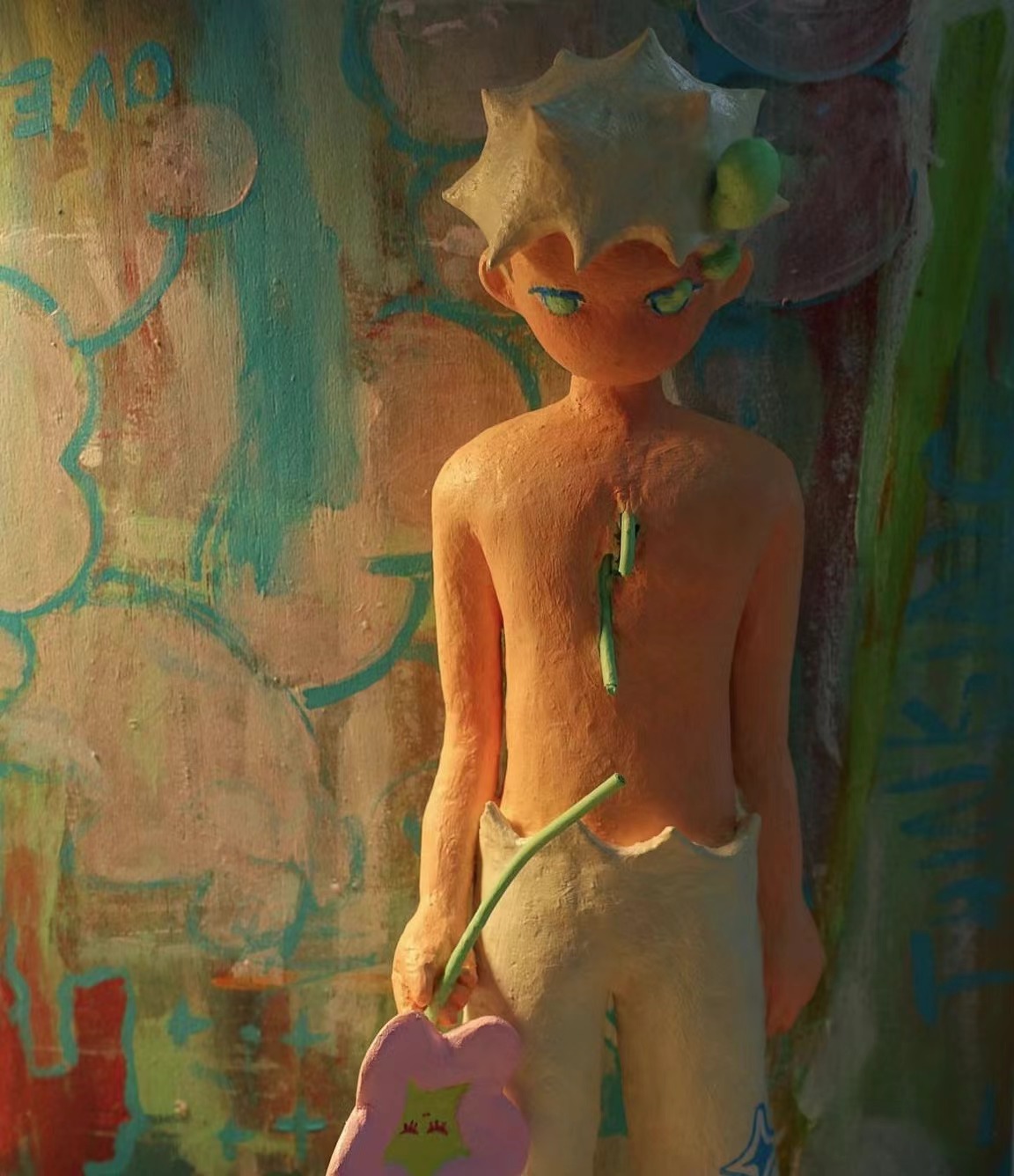
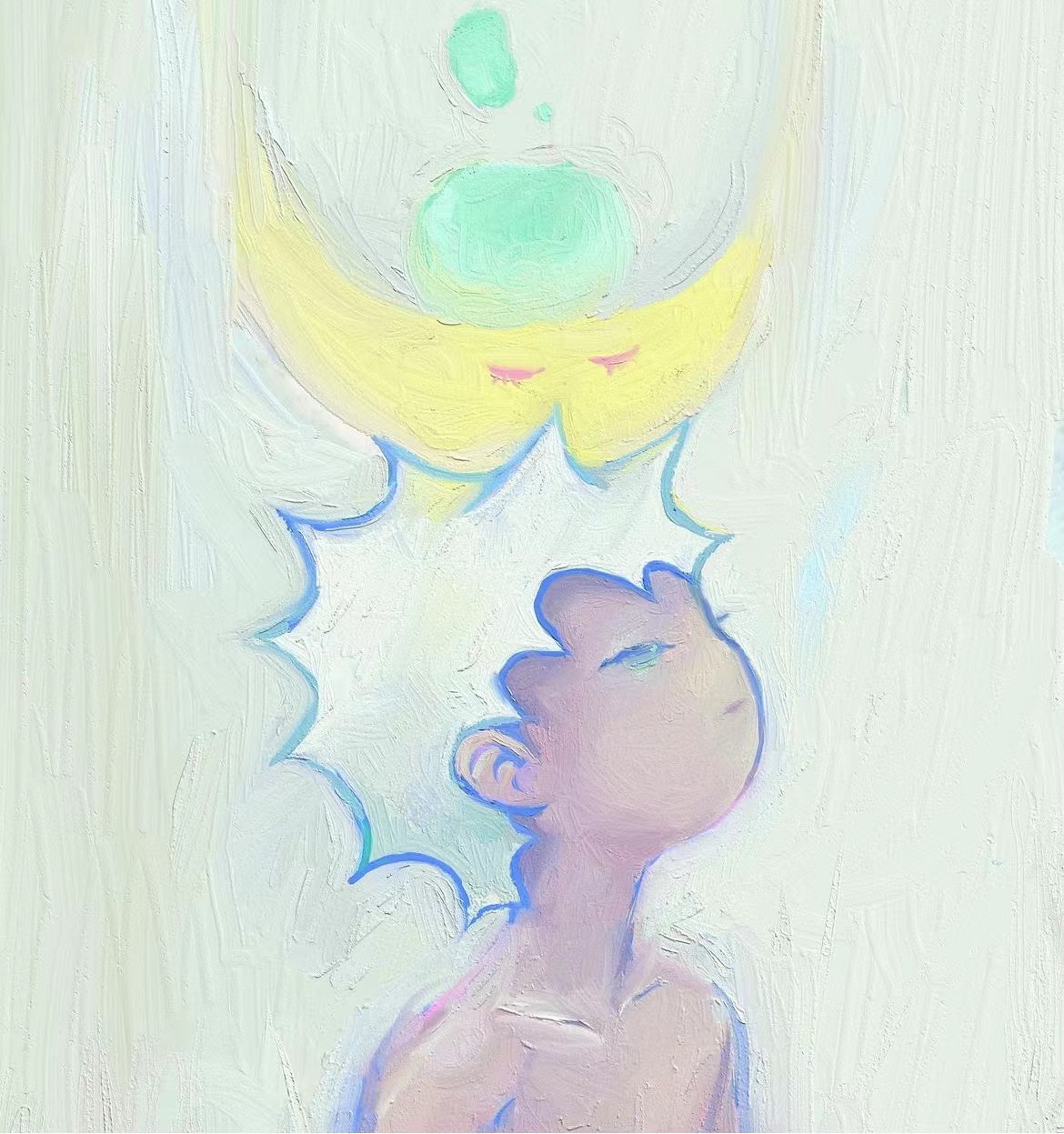
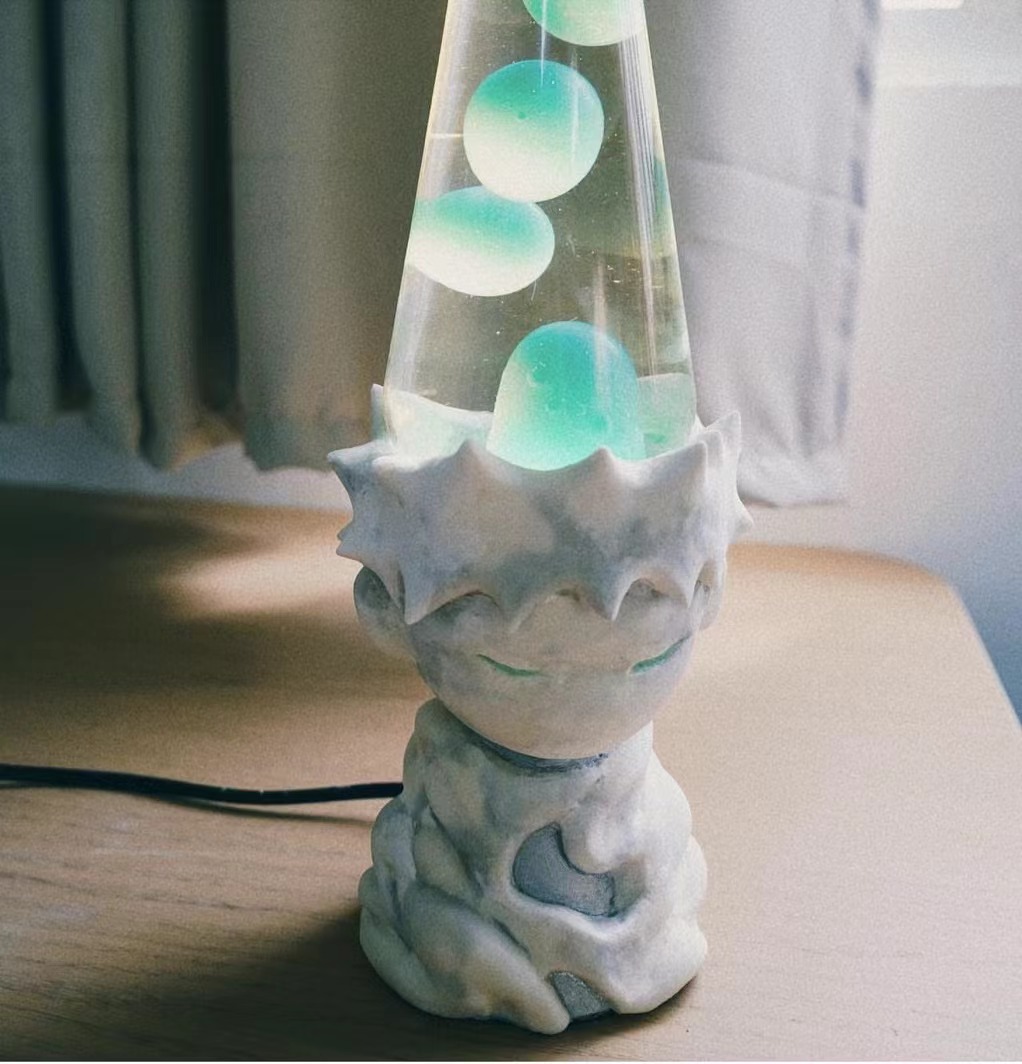
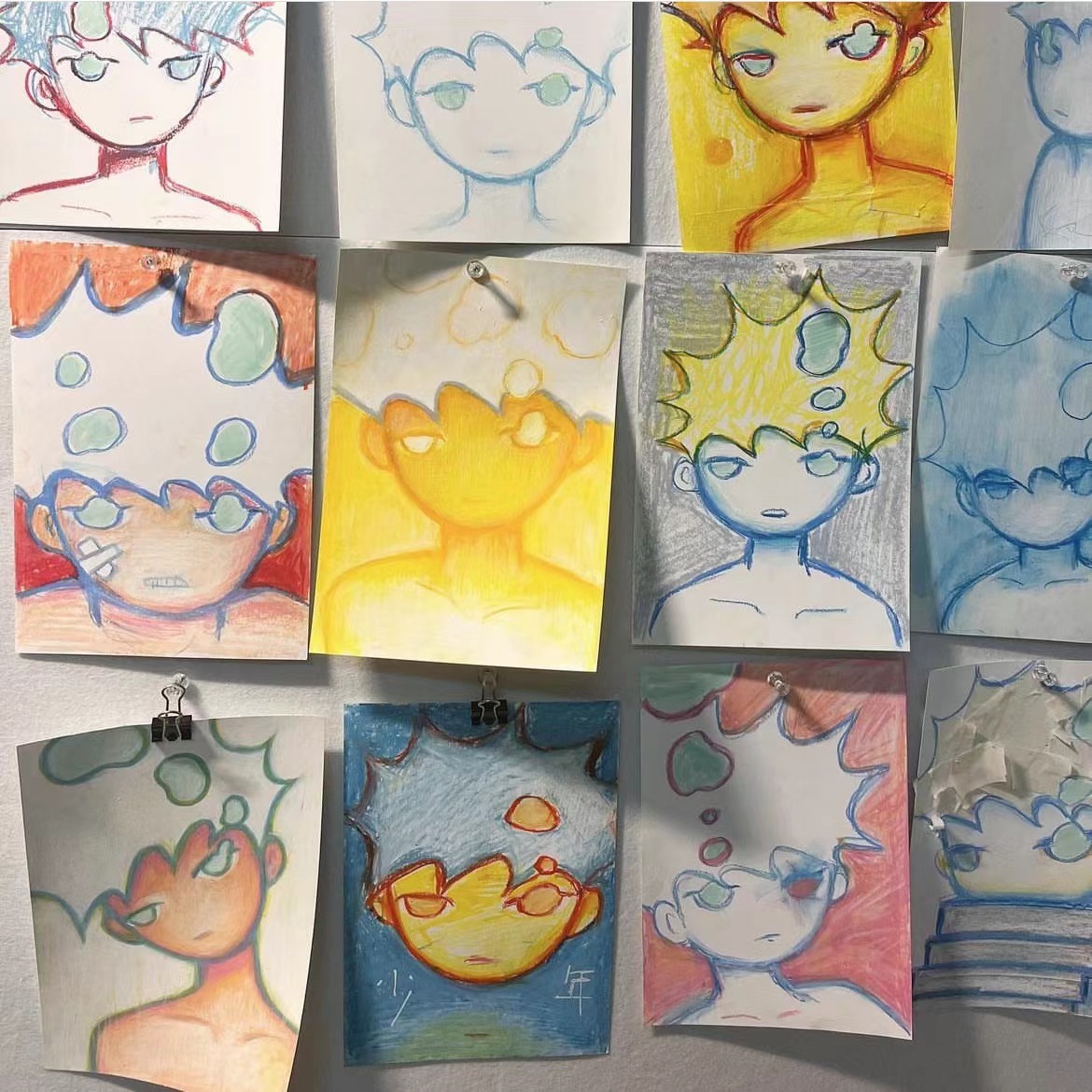
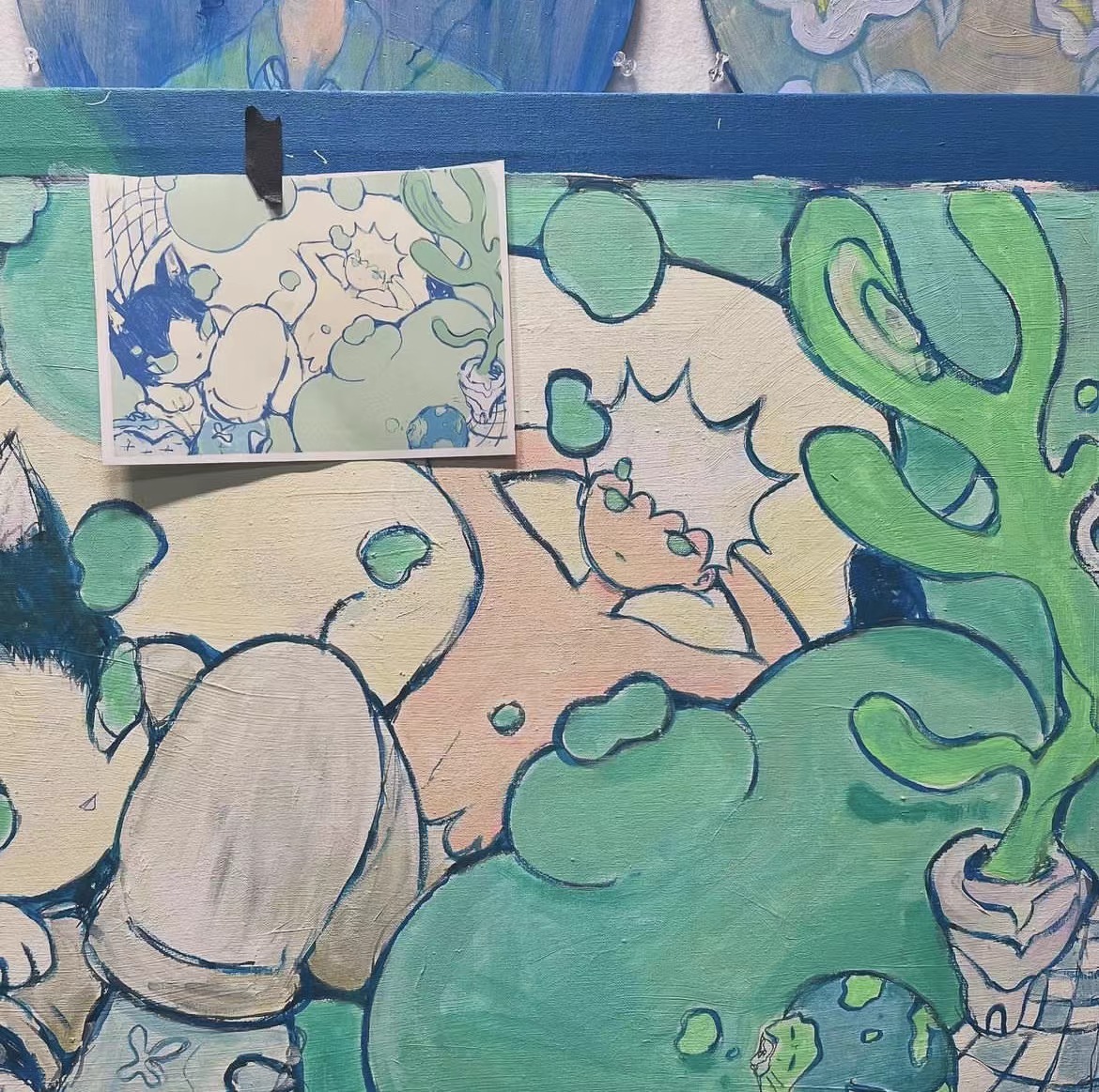
As an overthinking person who enjoys contemplating things from his own perspective, he created the character “Vero” to represent himself.
Vero was designed to have white sharp hair as a contrast to the gentle and round nature of bubbles. The name “Vero” is a play on words, with the “o” from “over” placed at the end, symbolizing Siukins’s desire to not overthink but rather think things over.
One of the movies that inspired him was “The Truman Show.” Vero is like Siukins’s own character within his own created world. He hopes Vero will always live and create within this beautiful fantasy, shielding him from the pressures of society.
Throughout his artistic journey, Siukins has continuously explored different mediums and techniques to express his creativity. Whether it’s painting on canvas, creating digital art, or sculpting, his work showcases his unique perspective and the imaginative world he has created for himself.
Siukins’s creative process is closely connected to his personal experiences and emotions, inspiring him to create. Recently, he has been contemplating the concept of courage. Despite not considering himself a particularly brave person, he constantly finds himself overthinking. His future development plan is to participate in artist residencies and create art in different parts of the world.
Considering some people’s complaint on graffiti on wall, Siukins defines it as a form of release, a reflection of dissatisfaction with society, or an attempt to beautify the community. It is all a means of expression. He believes that graffiti is becoming more mainstream and hopes that more people will accept and appreciate it, signifying a greater acceptance of art by society.
In the future, Siukins plans to introduce new characters in his work. One character will search for solace in his own garden, representing the people who support him on his creative journey, such as his parents, friends, and those who share the same artistic philosophy. There will also be other overthinking individuals and a companion cat. Siukins is excited about his next graffiti.
Siukins’s story and his creating philosophy
In conclusion, these three graffiti artists believe that graffiti is a reflection of freedom and creativity. They see it as a way for people to connect with each other and society, while also giving cities their own unique flair.
To summarize, graffiti is not just about art—it’s a culture that fosters connection and sharing among people.
Not only these three artists, HKWALLS 2024 has witnessed artists from all over the world leave their graffiti footprint in Hong Kong, communicating with the local culture.
Let’s take a look on how they make Hong Kong different, in a more beautiful sense.