Overview
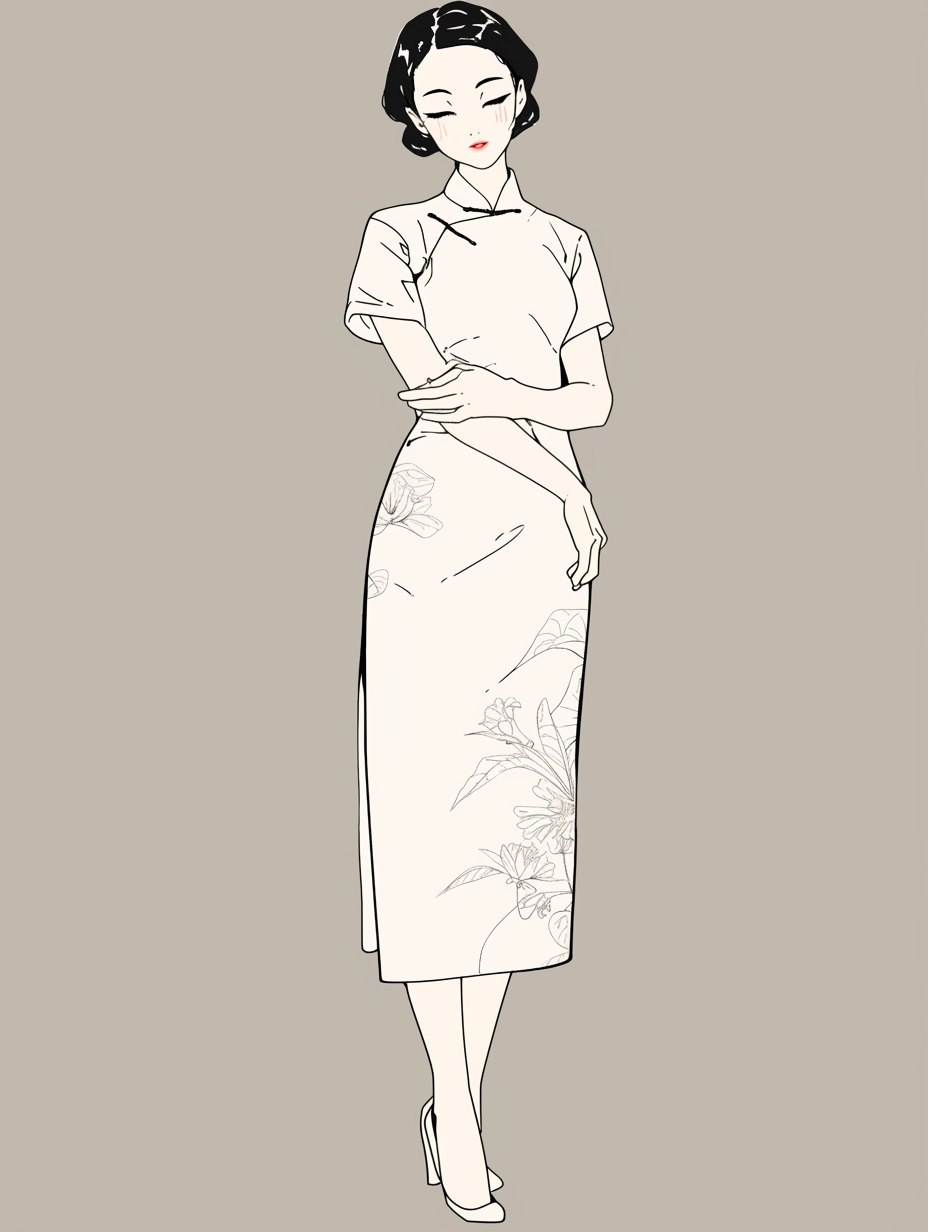
Originally, the cheongsam was a traditional Chinese dress worn by women in the late Qing Dynasty.
However, as it made its way to Hong Kong, the cheongsam underwent significant transformations and became an iconic symbol of the city’s distinctive cultural fusion.
Today, the cheongsam encounters challenges as Western fashion trends dominate the scene.
However, cheongsam tailors in Hong Kong continue to find the best solutions for its revival and preservation.
Four Periods
Budding Period
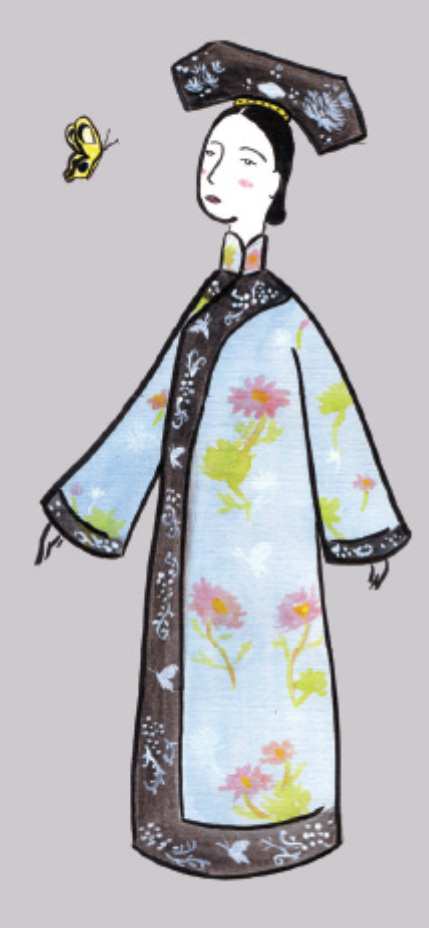
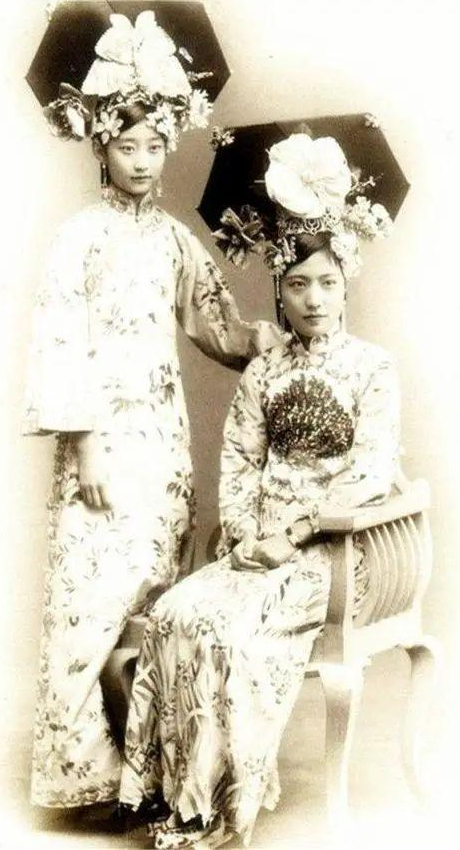
The garments were adorned with intricate decorative patterns and designs.
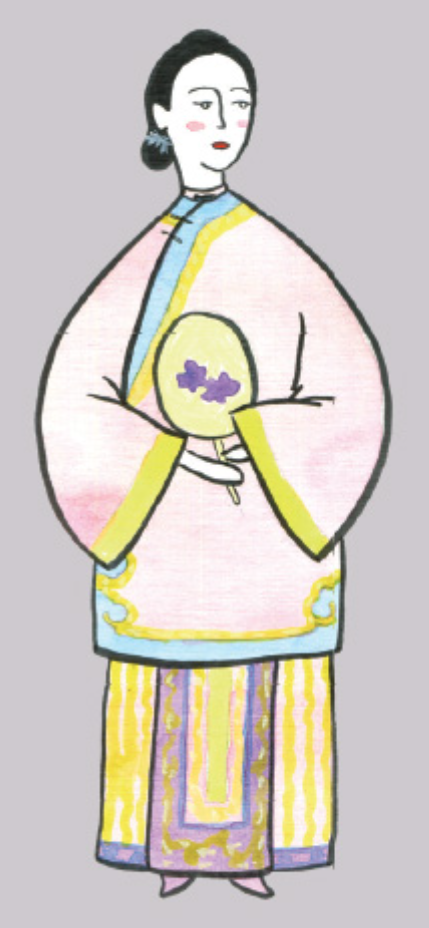
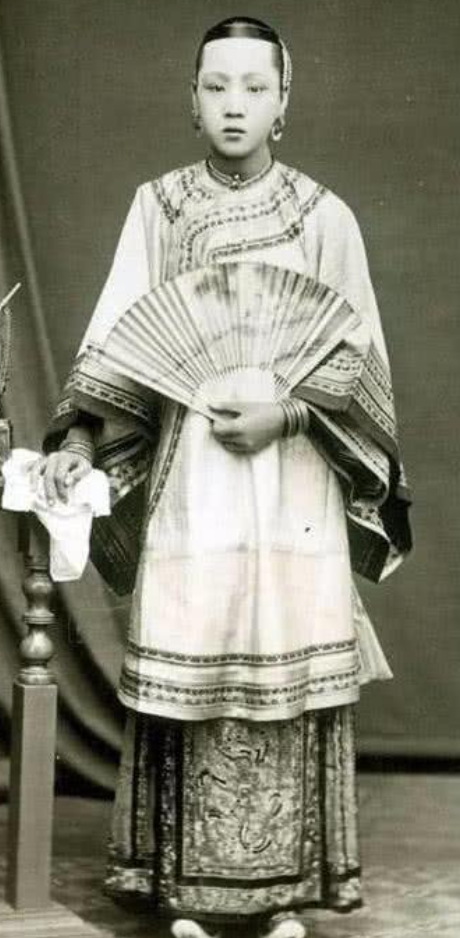
The upper garments of Han women gradually became longer, resembling the robes of the Manchu people. Conversely, the Manchu robes shortened, exposing the feet, similar to the fashion of Han women.
After the overthrow of the Qing Dynasty, the hierarchical system of clothing and attire collapsed. In the early years of the Republic of China, an increasing number of women began attending schools and gaining education, which led to the strengthening of their self-awareness.
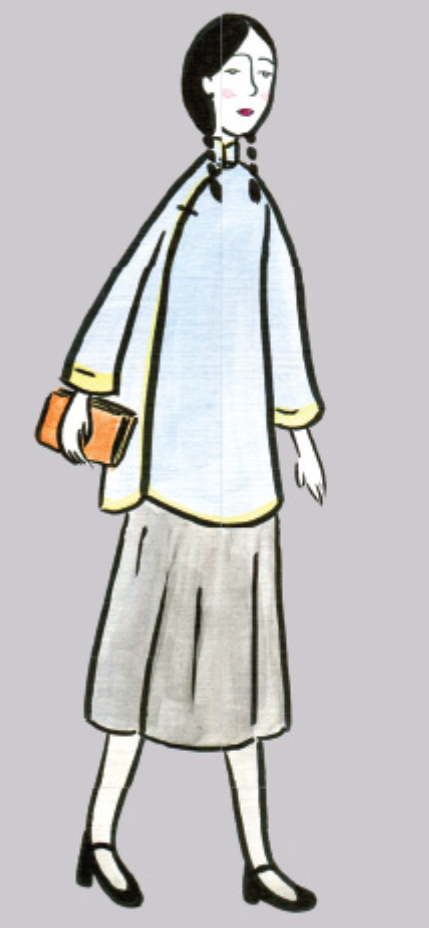
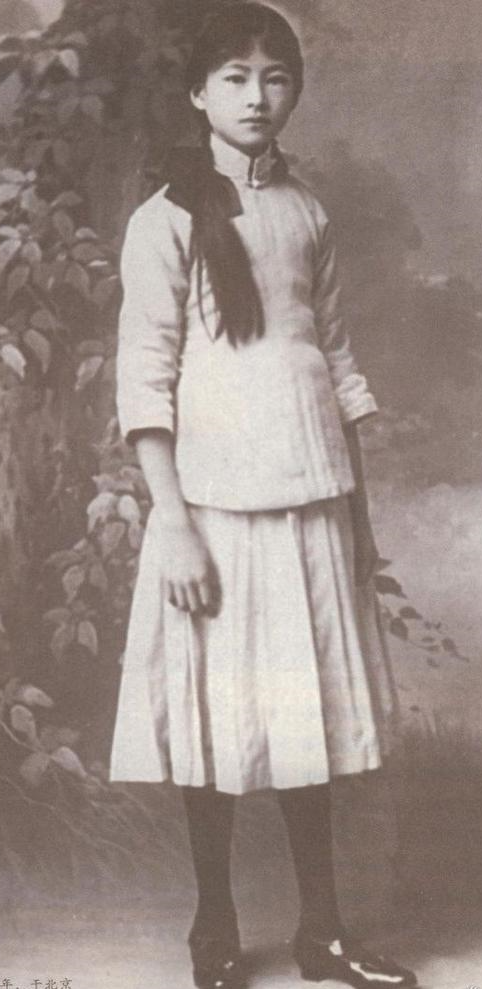
These women wore tailored long-sleeved blouse paired with skirts that exposed their ankles, emphasizing the image of intellectualism.
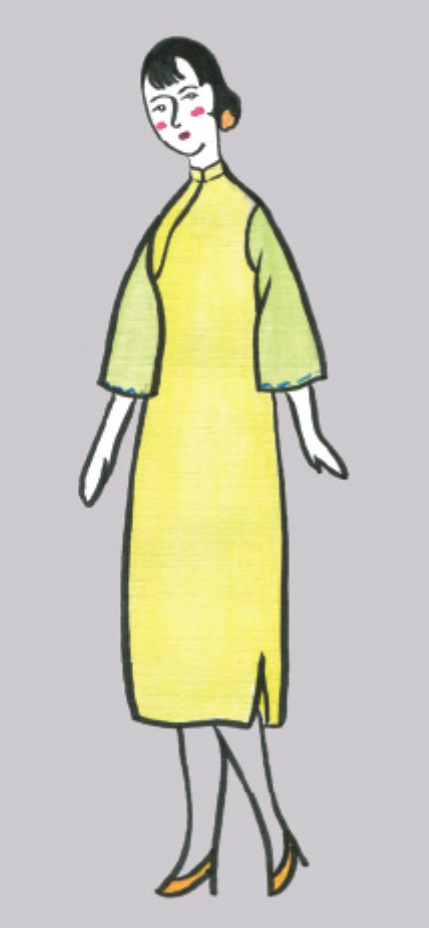
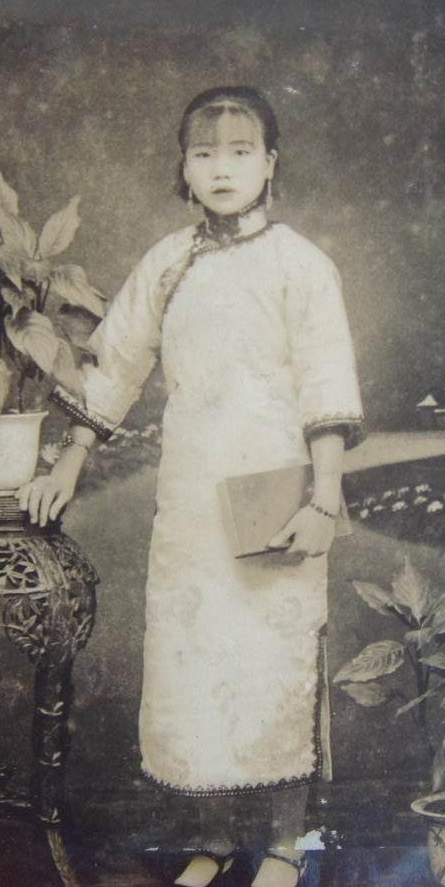
This garment is based on the Manchu robes, but with a tighter fit, shorter sleeves that reach the elbows, and a skirt length that falls to the lower leg.
This is the prototype of the modern Cheongsam.
Transitional Period
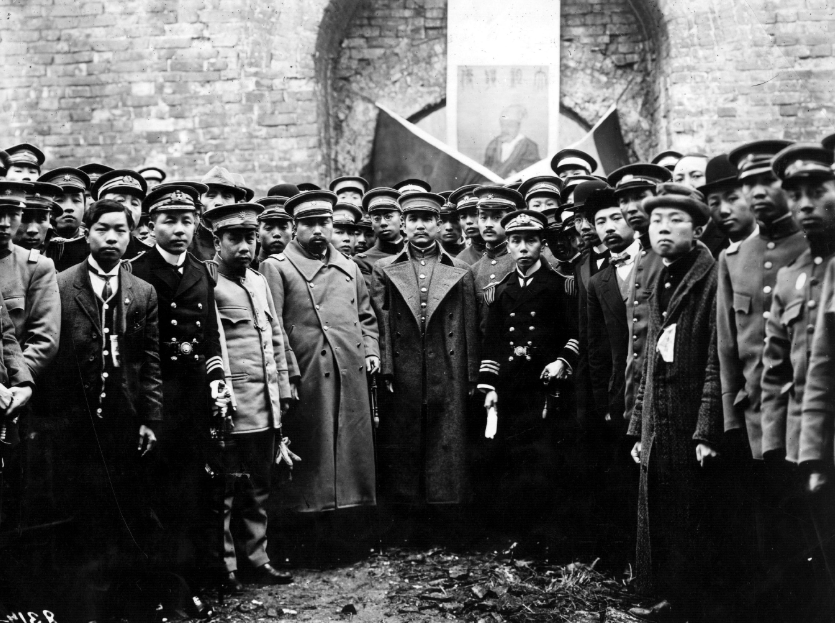
1911 Revolution
Although Hong Kong was under British occupation at the time, its residents maintained close ties with their counterparts in Guangdong. As a result, Hong Kong’s fashion culture closely followed the trends of major cities on the mainland.
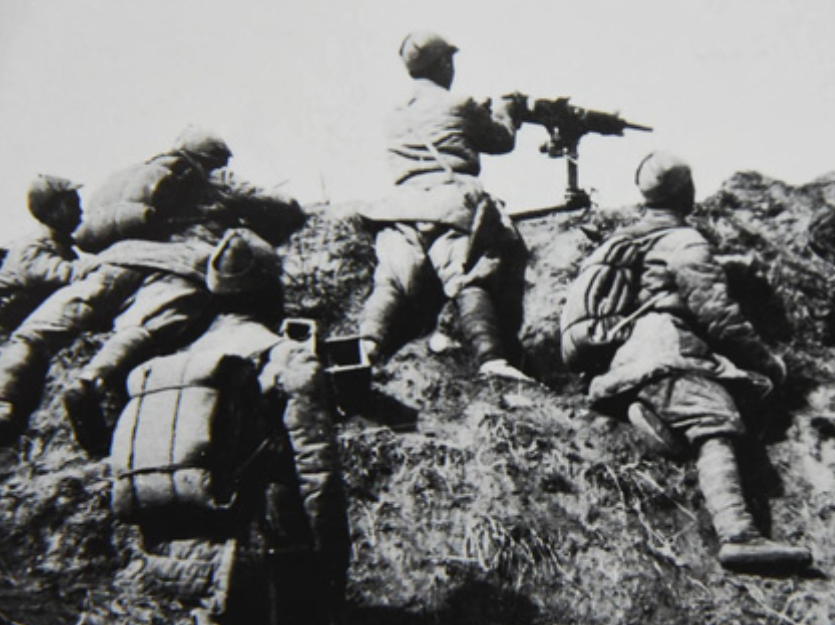
Sino-Japanese War
The influx of talent into Hong Kong significantly elevated the craftsmanship of local cheongsam production, promoting its development in the city.
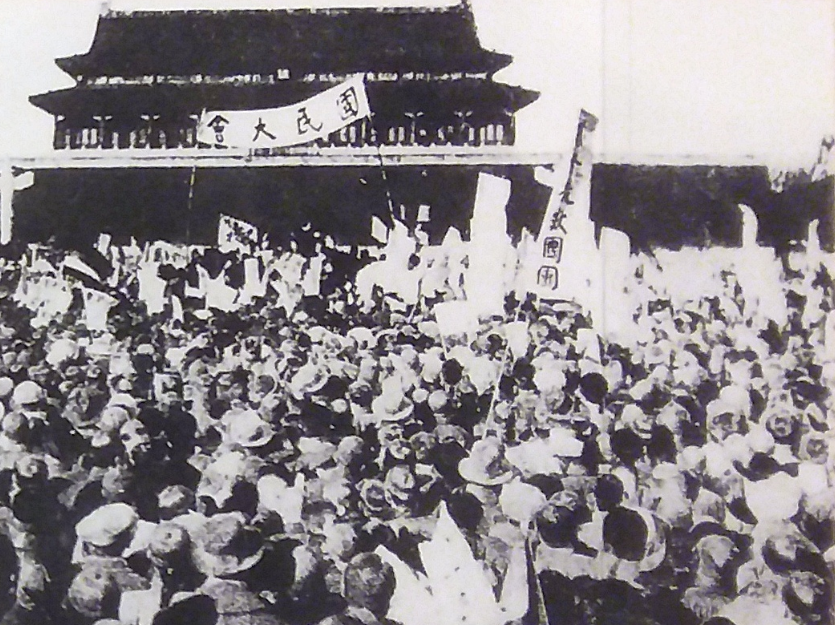
New Culture Movement & May Fourth Movement
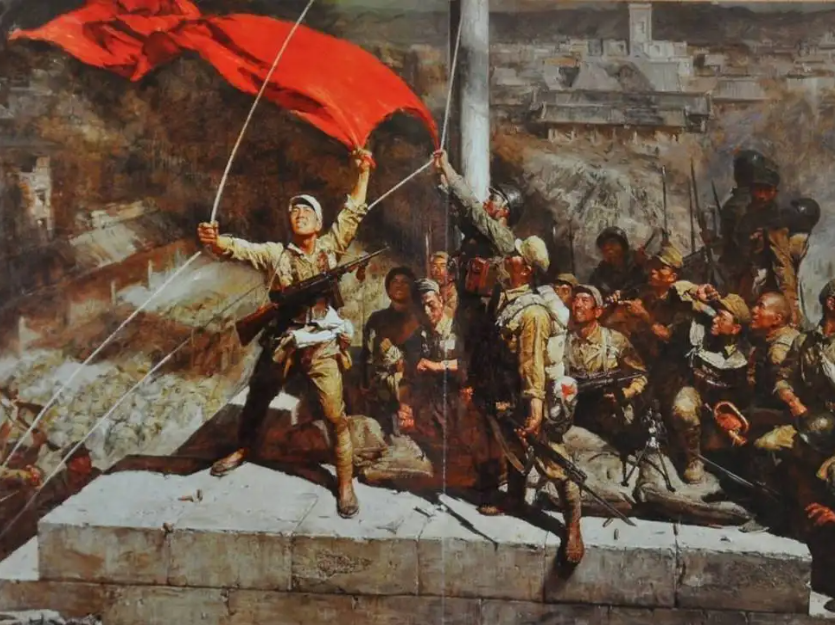
Female students wearing male-style robes in the parades of the May Fourth Movement to demonstrate gender equality.
Civil War
Many Shanghai tailors followed them to continue their cheongsam work in Hong Kong, establishing businesses and passing down their skills to apprentices while attracting local customers.
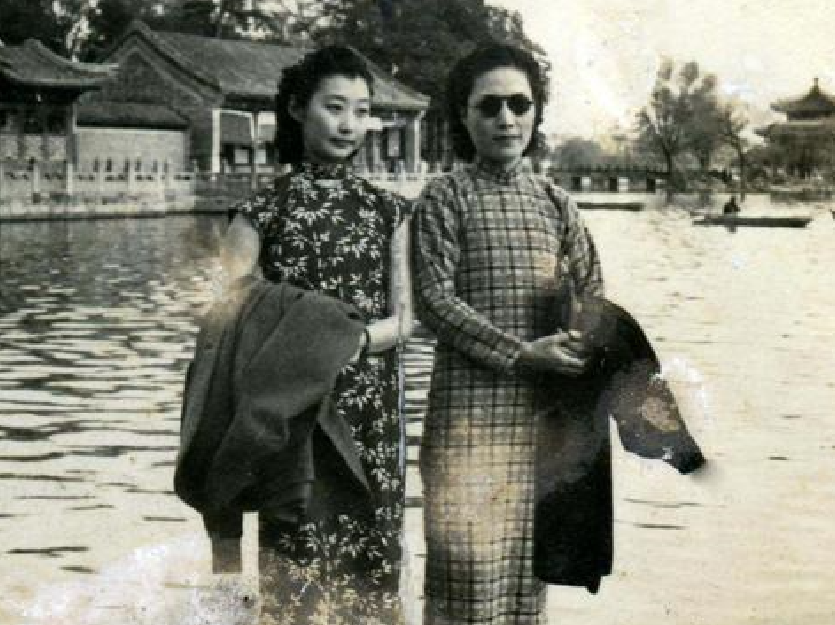
Shanghai-style cheongsam
In 1929, the Republic of China government promulgated regulations on attire, designating the cheongsam as one of the two official dresses for women, thus solidifying its position in Chinese women’s fashion.
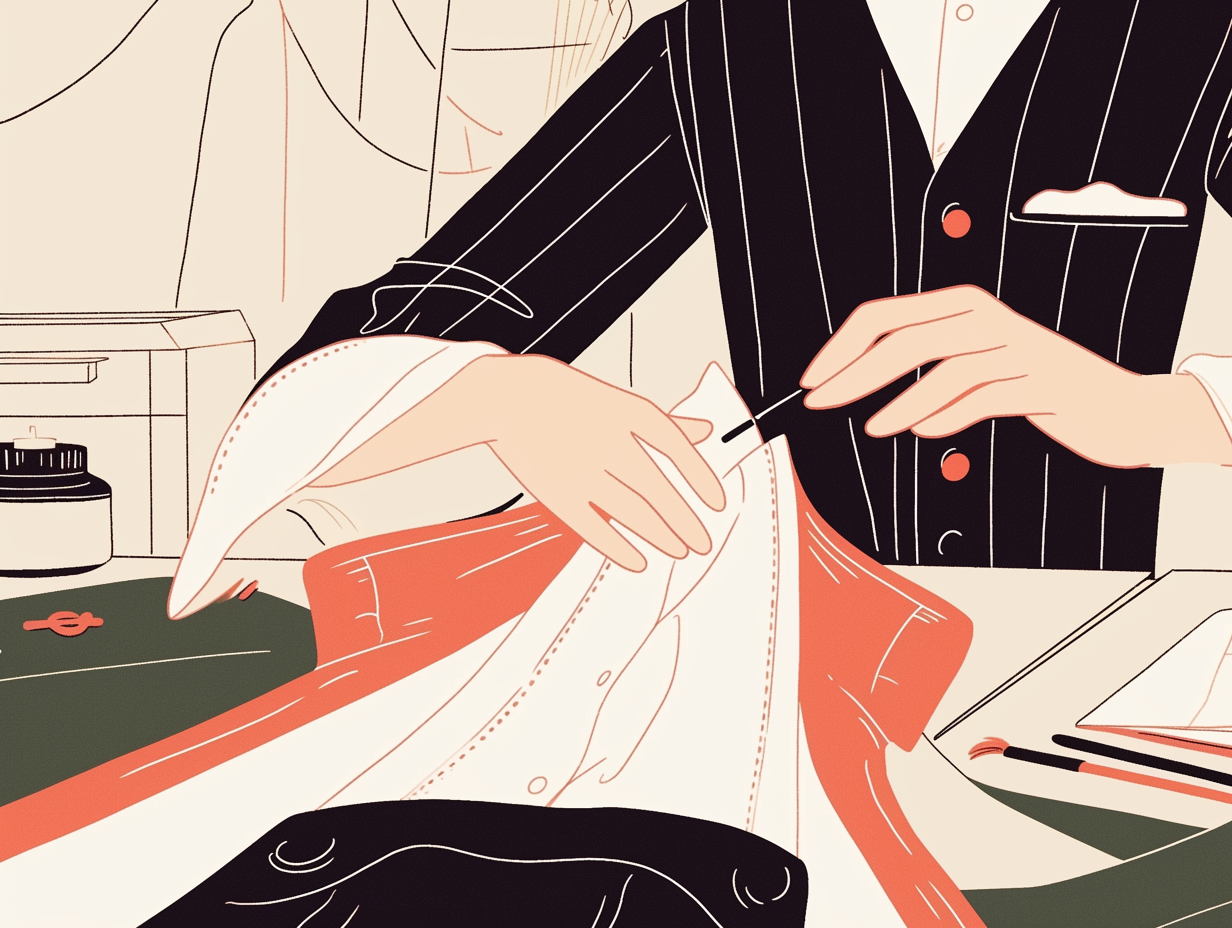
Immigrant Tailors in Hong Kong
They actively recruited apprentices in Hong Kong, infusing the cheongsam market with new talent. This not only raised the craftsmanship of Hong Kong’s cheongsam but also fostered the sustainable development of the cheongsam industry in the city.
Golden Period
Chinese professional women in Hong Kong wore cheongsam to express their cultural identity and embrace classical beauty.
The cheongsam became a common attire during this era.
This video clip captures the street scenes of 1960s Hong Kong, where we can observe numerous women wearing cheongsams amidst the bustling crowds.
Various styles and patterns of cheongsam competed for attention on fashion runways, representing the highest aesthetic standards of the time.
This video clip showcases the work of cheongsam artisans in 1950s Hong Kong and captures the moment when fashion models showcased cheongsam on the runway.
The cheongsam showcase was a common segment in Hong Kong beauty pageants. During the Miss Hong Kong pageant award ceremony, all contestants would don cheongsams while awaiting the announcement of the rankings.
This video captures the winning moments of Miss Hong Kong champions from 1973 to 2018.
Among them, Maggie Cheung’s cheongsam outfits in the film In the Mood for Love left a profound impression on audiences.
This video features a selection of cheongsams worn by the female lead in the film In the Mood for Love.
Challenging Period
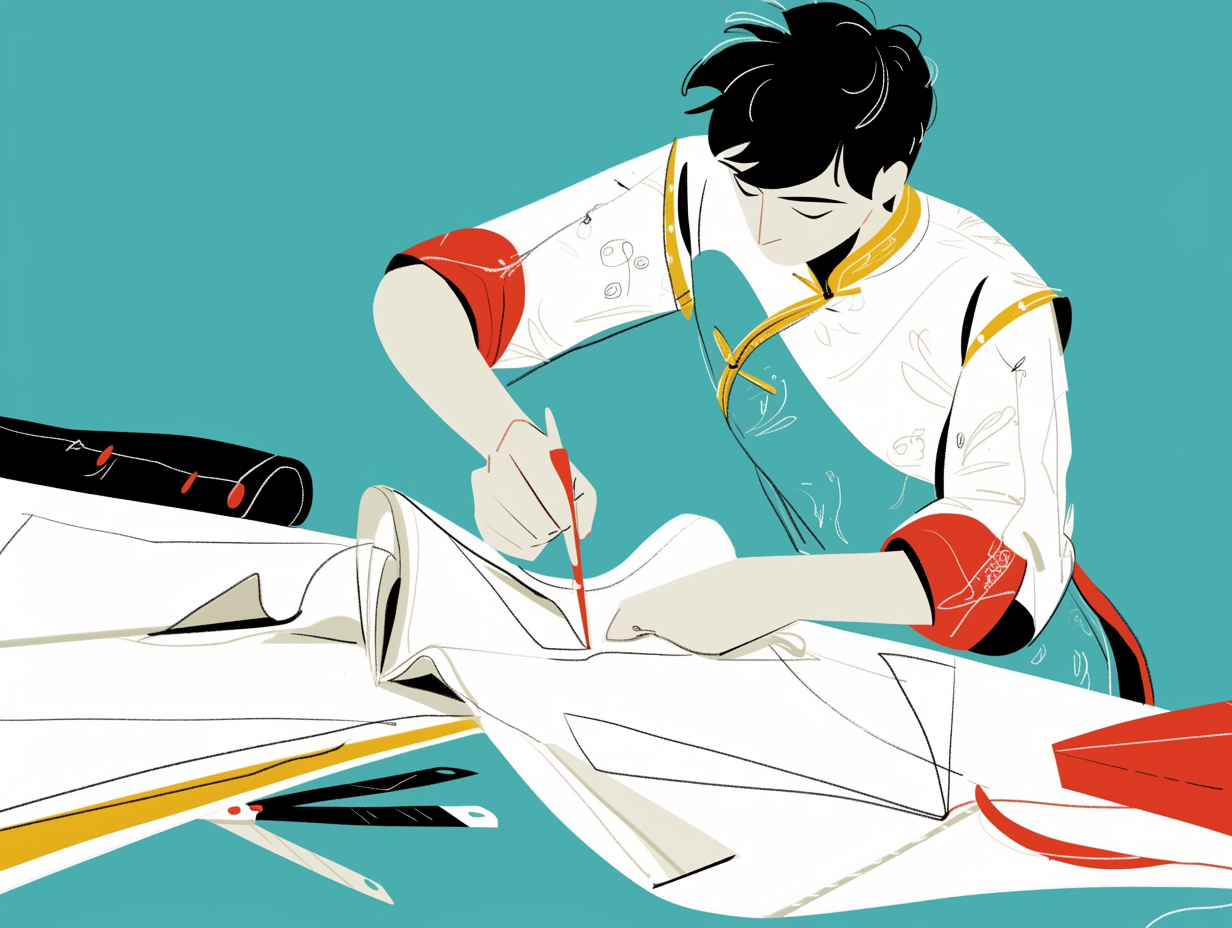
Despite the aforementioned challenges, there is positive news for the cheongsam industry in Hong Kong. The Hong Kong government has taken significant steps to safeguard and promote the cultural heritage of cheongsam by officially recognizing it as an intangible cultural asset.
The government also encouraged young individuals with an interest in cheongsam production to learn from experienced masters to address the current shortage of skilled practitioners and ensure the continuity of cheongsam craftsmanship.
With the implementation of these beneficial policies, the outlook for the cheongsam industry in Hong Kong appears promising.