As the Hong Kong government banned single-use plastics on April 22, the six-month grace period for the first phase of the regulation had come to an end on October 21. However, the implementation of the second stage covering a wider range of disposable takeaway plastic tableware, is still lacking a clear timetable, depending on the availability and affordability of non-plastic or reusable alternatives.
We want to figure out a method that the industry agrees is practicable. That’s when we’ll do it.
Yet there is no hard deadline for the commencement of the second phase regulation, it was tentatively set by 2025 as announced in a government press release published in 2023.
Why does the authority change its mind after a half year of grace period?
Is 2025 a suitable timing to implement the second-phase regulation?
Can You Identify the Ban Phases of These Disposable Plastics?
Have fun and categorize various plastic items according to their respective ban timelines!
After the six-month grace period, we invited some local citizens to share their views on the new eco-friendly utensils, which are mainly made of paper, bamboo, or wood. While some raised doubts about green tableware durability and its practicality for daily use, some also felt pessimistic about the implementation of the second phase regulation.

Mr. Chung
Citizen
Although Chung found the green tableware sturdy enough for him to finish a meal, he wondered if the regulation on disposable plastic products should apply on tableware.
“When it comes to plastic, it’s not really decomposable,” said Chung.
He pointed out that the government should invest in innovative technologies to tackle these problems.
“There are actually many methods, like finding types of bugs that can eat plastic,” Chung suggested.
He also predicted that the second phase of regulation would not be able to be implemented next year. “There could be a lot of opposition,” said Chung.
“For soups, if you leave it for about 15 minutes, then it becomes flimsy,” said Hui. “Even though it’s less convenient. But it’s still good.”
However, she held a conservative stand when it came to the implementation of the second phase regulation, as it requires careful consideration since Hong Kong people have been accustomed to using plastic for decades.
“For some people, if you want to implement this change, I think it’s good to gradually introduce it.” said Hui.
She suggested the government may learn from foreign countries like Japan, whose citizens have a strong sense of waste disposal.
“Hong Kong people look up to Japan. So, gradually, step by step, it will be easier to accept,” said Hui.

Wendy Hui
Citizen

Vanessa Lam
Citizen
Vanessa Lam said she usually used two to three sets of utensils in one meal.
“They are very flimsy. When you are having some hot soup, it melts within a minute!” said Lam. “Sometimes the wood forks break even if you use them slightly harder.”
She pointed out not every restaurant has strict regulations on the quality of utensils, which actually produces more waste as the customers may ask for another set of tableware.
When asked if next year would be suitable for implementing the second phase regulation, Vanessa said, “Then I will not order takeout anymore.”
Lam suggested the government should encourage people to bring their own utensils instead of imposing strict regulation.
Green Tableware
Experimenting, Comparing, and Unraveling the Performance and Potential of Sustainable TablewareAre Eco-Friendly Tableware Alternatives Fit for Regular Meal Use?
In the pursuit of sustainable alternatives to plastic tableware, an experiment was conducted to evaluate the performance of different types of paper bowls and a paper spoon. Assessing their reaction to hot liquids and water is key to know if they’re practical for daily meals.
After being immersed in congee for an hour, the internal fiber structure of the paper spoon is damaged, and both the shape stability and hardness decrease significantly. It becomes noticeably softened and unable to withstand external forces, thus failing to meet the requirements for scooping food during meals.
Experimental Purpose:
To test the bearing and stability performance of sugarcane pulp bowls, ordinary paper bowls, and virgin pulp bowls when filled with scalding hot water.
Experimental Process:
Fill the three types of paper bowls with scalding hot water respectively and continuously observe for one hour.
Experimental Results and Conclusions:
– The sugarcane pulp bowl: There is only slight bottom seepage within one hour, and the overall structure remains intact without obvious deformation or damage. The material has good stability under high temperatures and strong resistance to thermal deformation.
– The ordinary paper bowl: The bottom is quickly soaked and softened by the hot water, and the barrier function is lost. Its material structure is difficult to withstand the long-term effect of high-temperature hot water. The fiber and processing technology cause the loss of strength and waterproof performance under high temperatures.
– The virgin pulp bowl: The bottom immediately shows discoloration, wrinkling, and wetting of the surface. As time passes, there is moderate bottom seepage and internal wetting. Although it is better than the ordinary paper bowl, its stability and waterproofness are worse than those of the sugarcane pulp bowl. The material has a certain tolerance to high-temperature hot water, but it is difficult to keep the bowl dry and the structure stable within one hour.
There are significant differences in the performance of the three types of paper bowls when filled with scalding hot water. The sugarcane pulp bowl is excellent in stability and impermeability and is more suitable for holding high-temperature liquids; the ordinary paper bowl is not applicable; although the virgin pulp bowl can be used for short-term holding, it has limitations.
Innovation and promotion
Insights of Restaurant's Owner Mapping the Path of Plastic-Free Dining PromotionInnovation and promotion are indispensable components in the single-use plastic ban, which facilitate the stakeholders to support the implementation of the policy. After the six-month grace period, most restaurants in Hong Kong had changed to compliant disposable tableware.
However, since the second stage of the policy further covers a wider range of disposable takeaway plastic tableware, the reporters visited a random restaurant located at Pok Fu Lam to check the effectiveness of promotion.
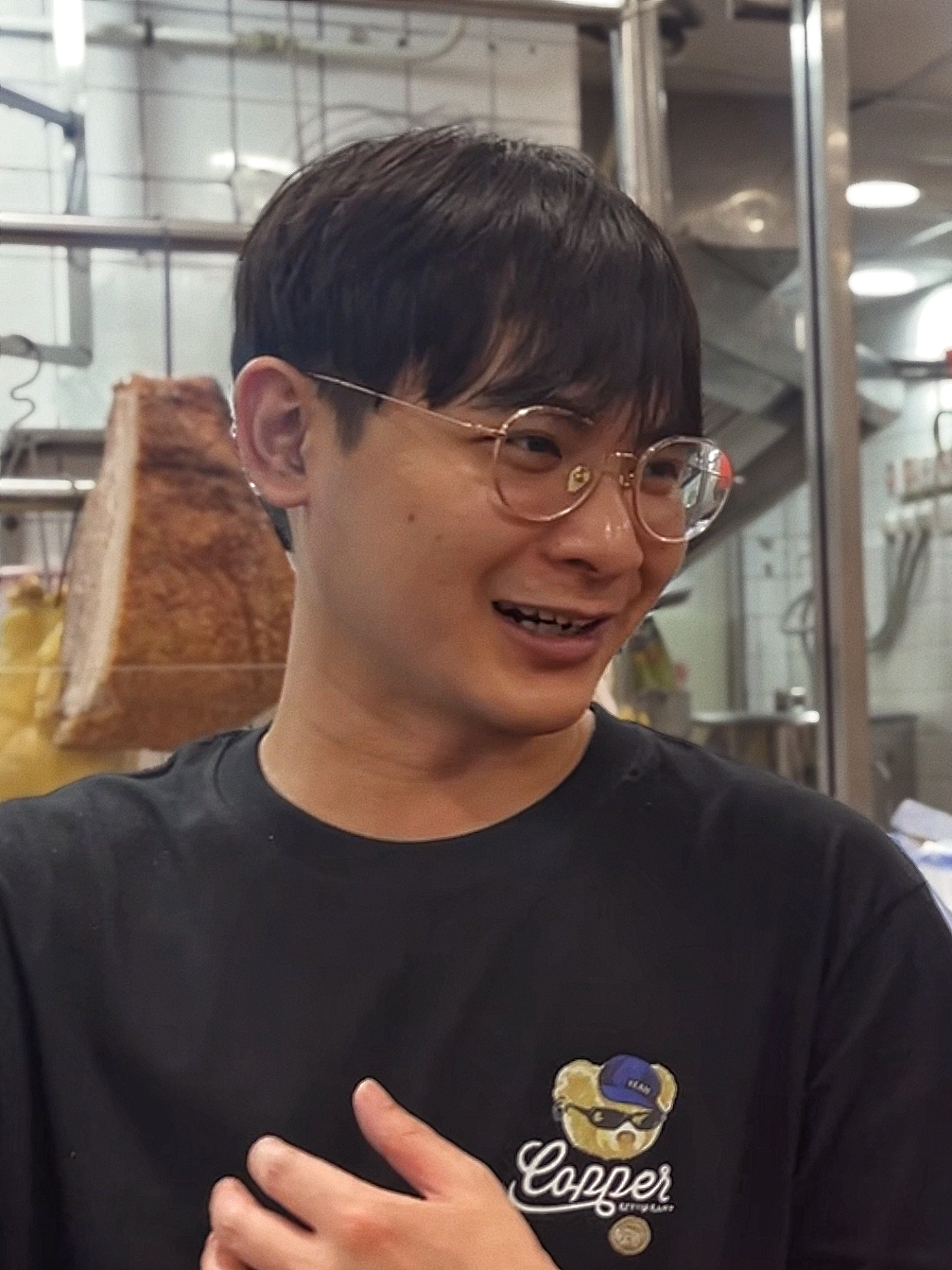
Hon Ka Long said the cost of tableware had increased by 10% after the regulation was imposed.
Despite the fact that the government had provided a list of suppliers on the green tableware website, Hon just purchased new utensils in the shop located nearby since he found it difficult to look for the suppliers. He also had no idea that the second phase of the regulation existed.
“I just watched the news. But if the news didn’t mention it, I wouldn’t pay attention,” said the soup noodle restaurant owner.
“I hope it’s not true. I mean if you have soup with your meal, how can you use a paper bowl? Will it dissolve?” Hon added.
Hon Ka Long
Owner of the Ho Che Beef Noodles
Hon had shown ignorance in the information about the green tableware suppliers and the implementation of second phase regulation, reflecting that the plastic ban regulations may lack publicity to small and medium-sized restaurants.
————— · —————
Replacement of plastic products in market
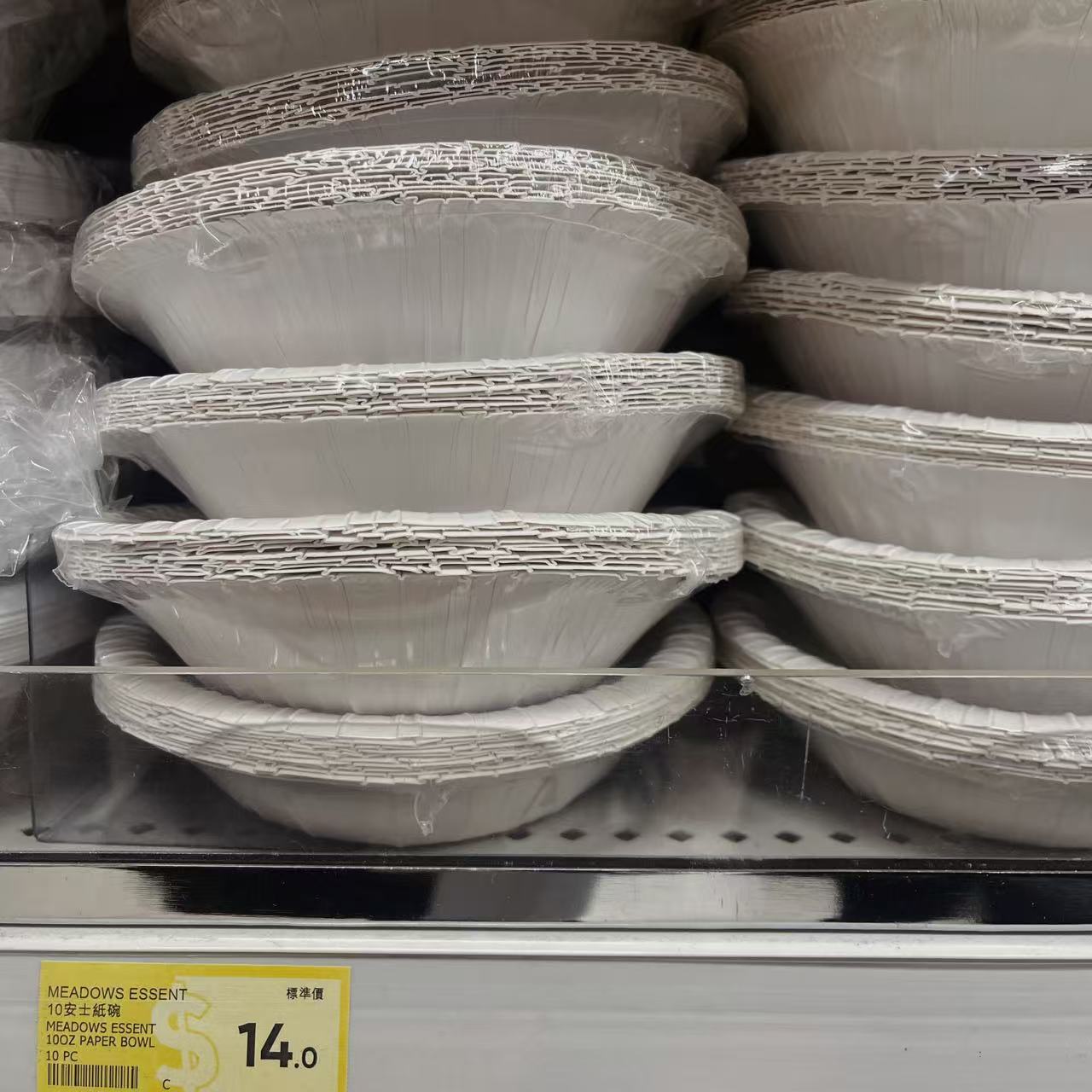
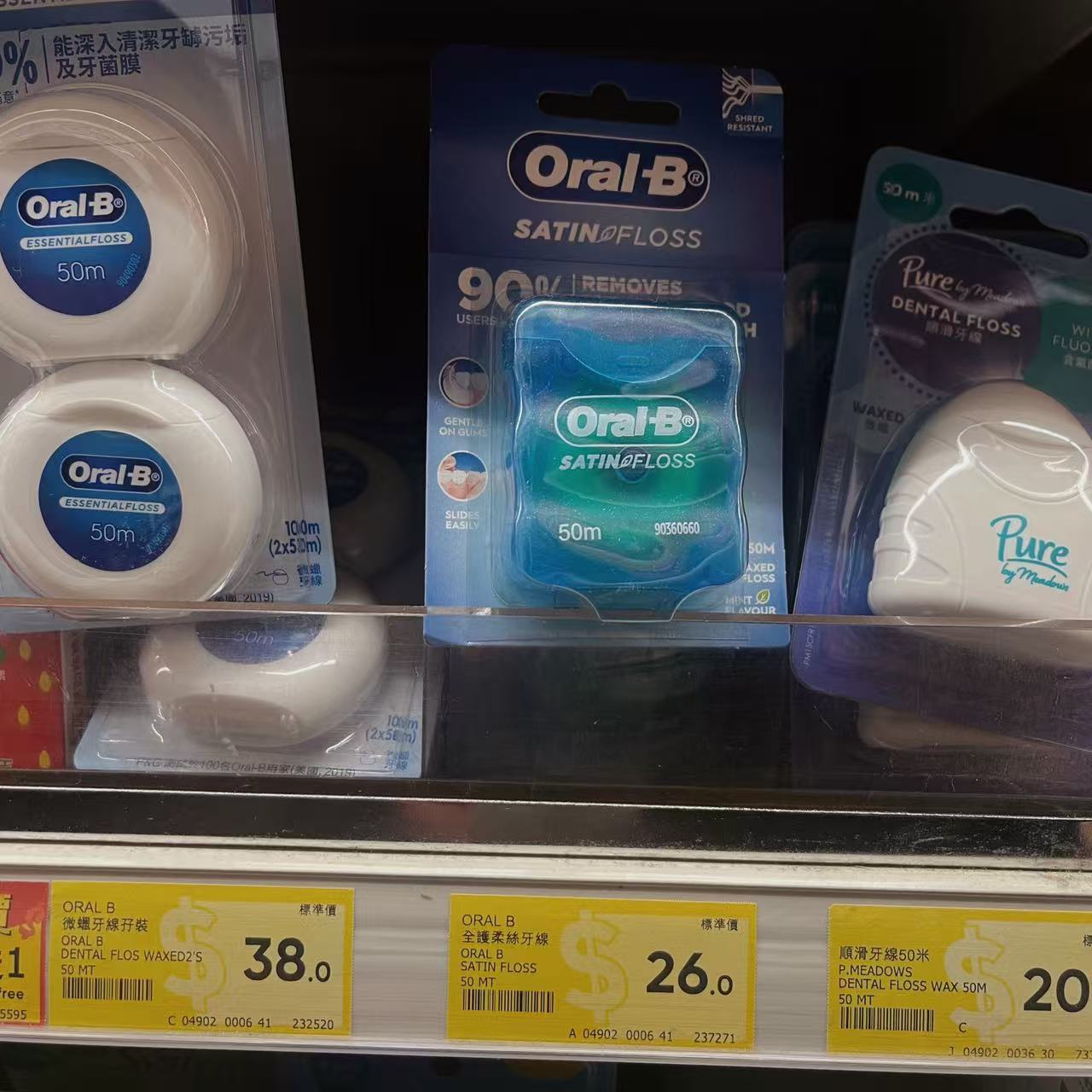
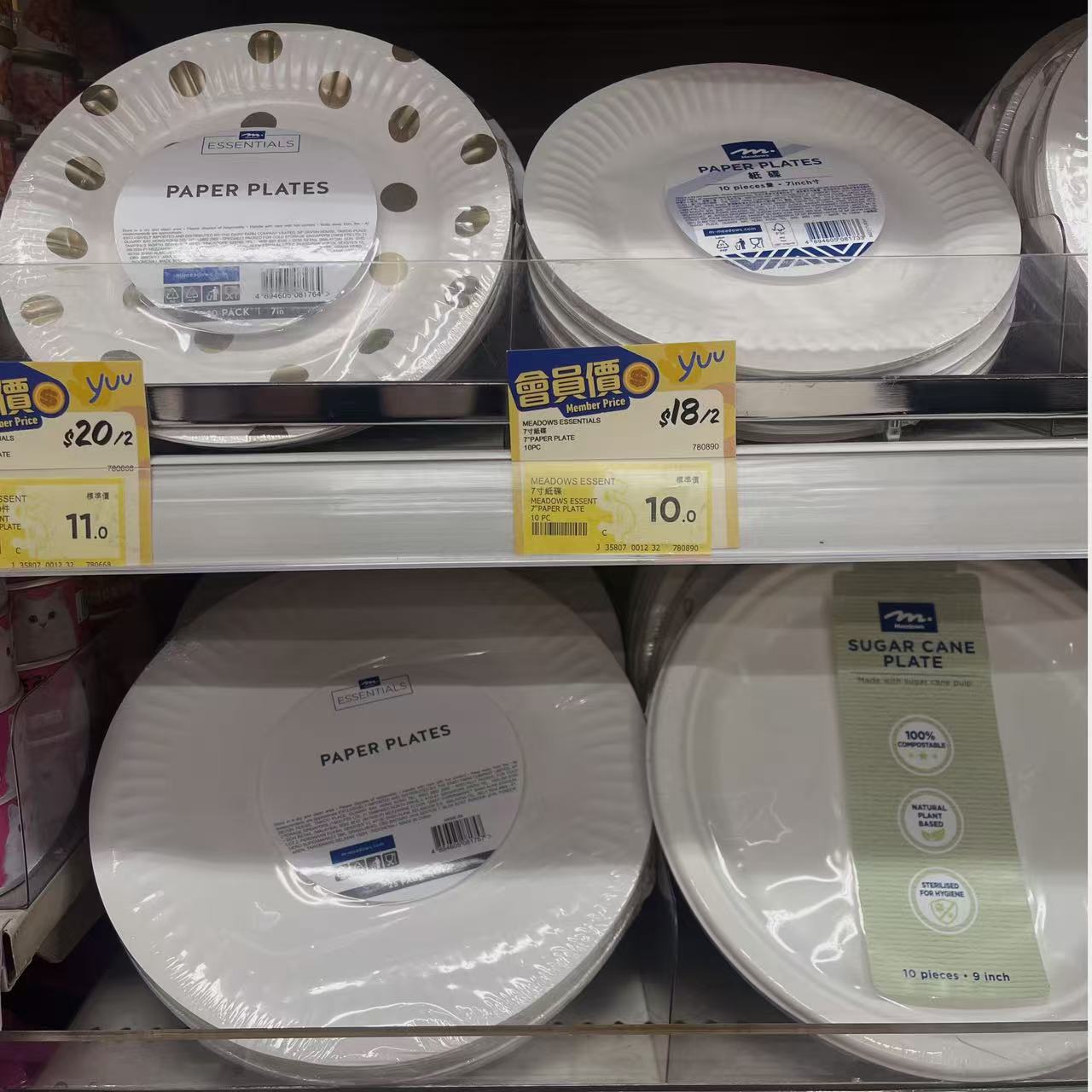
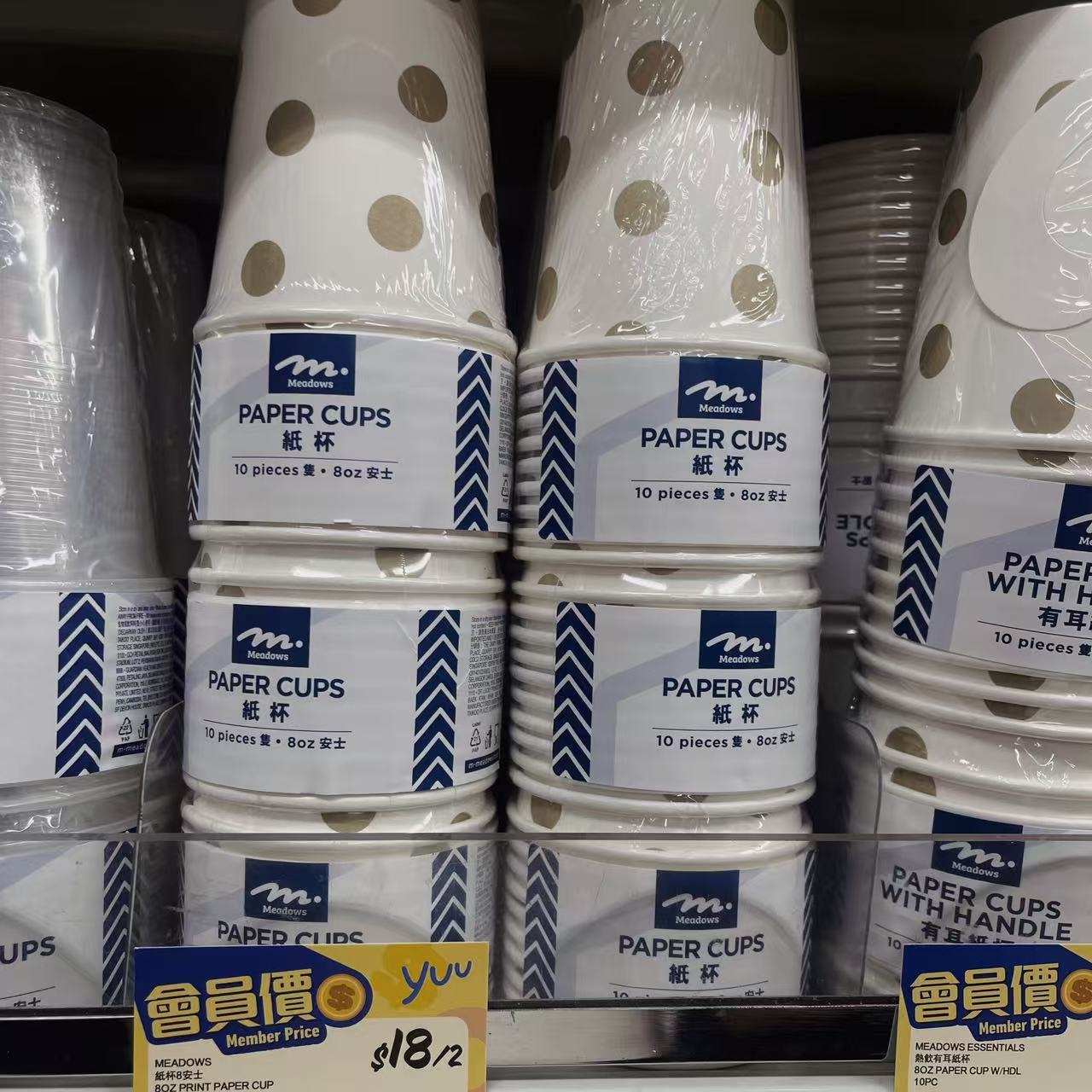
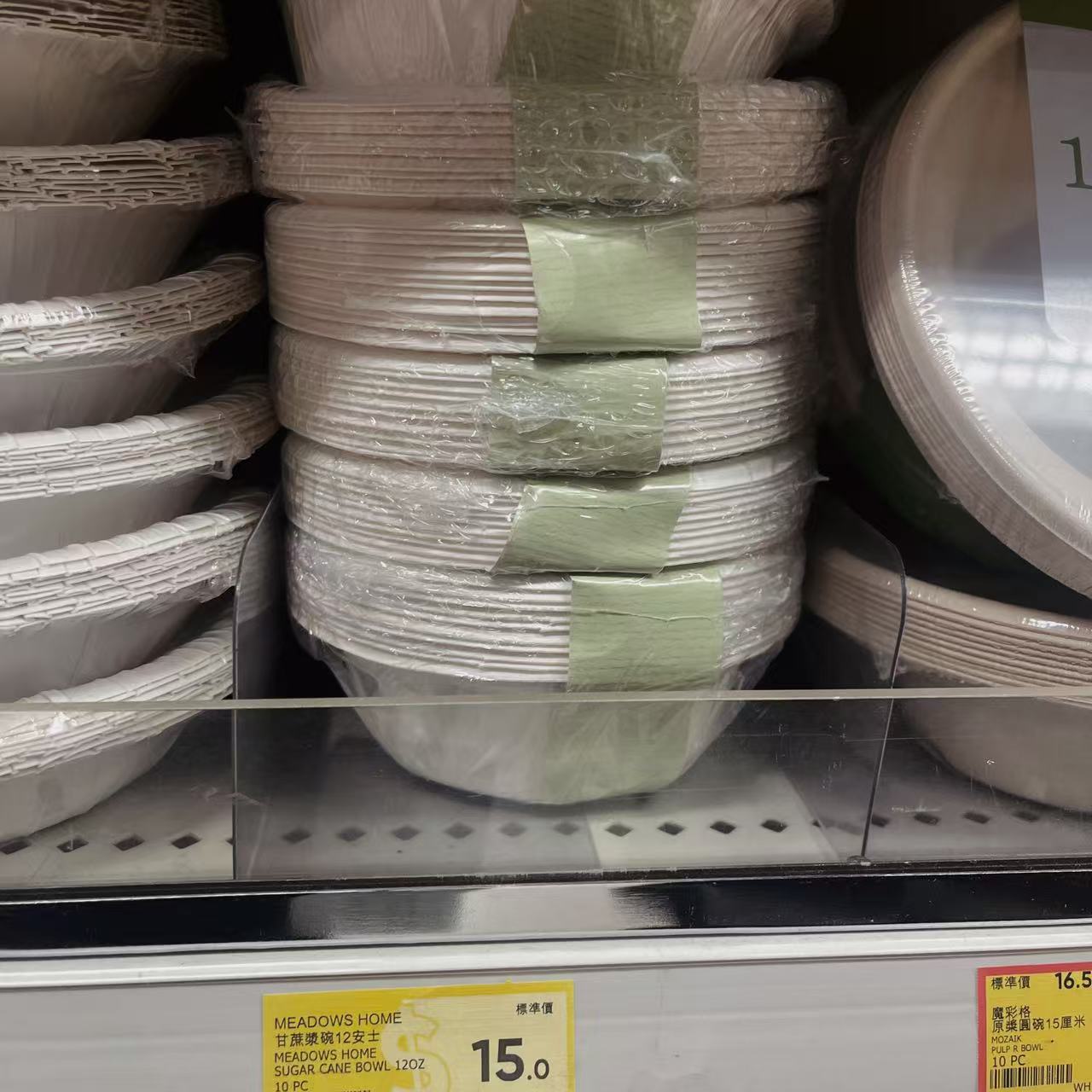
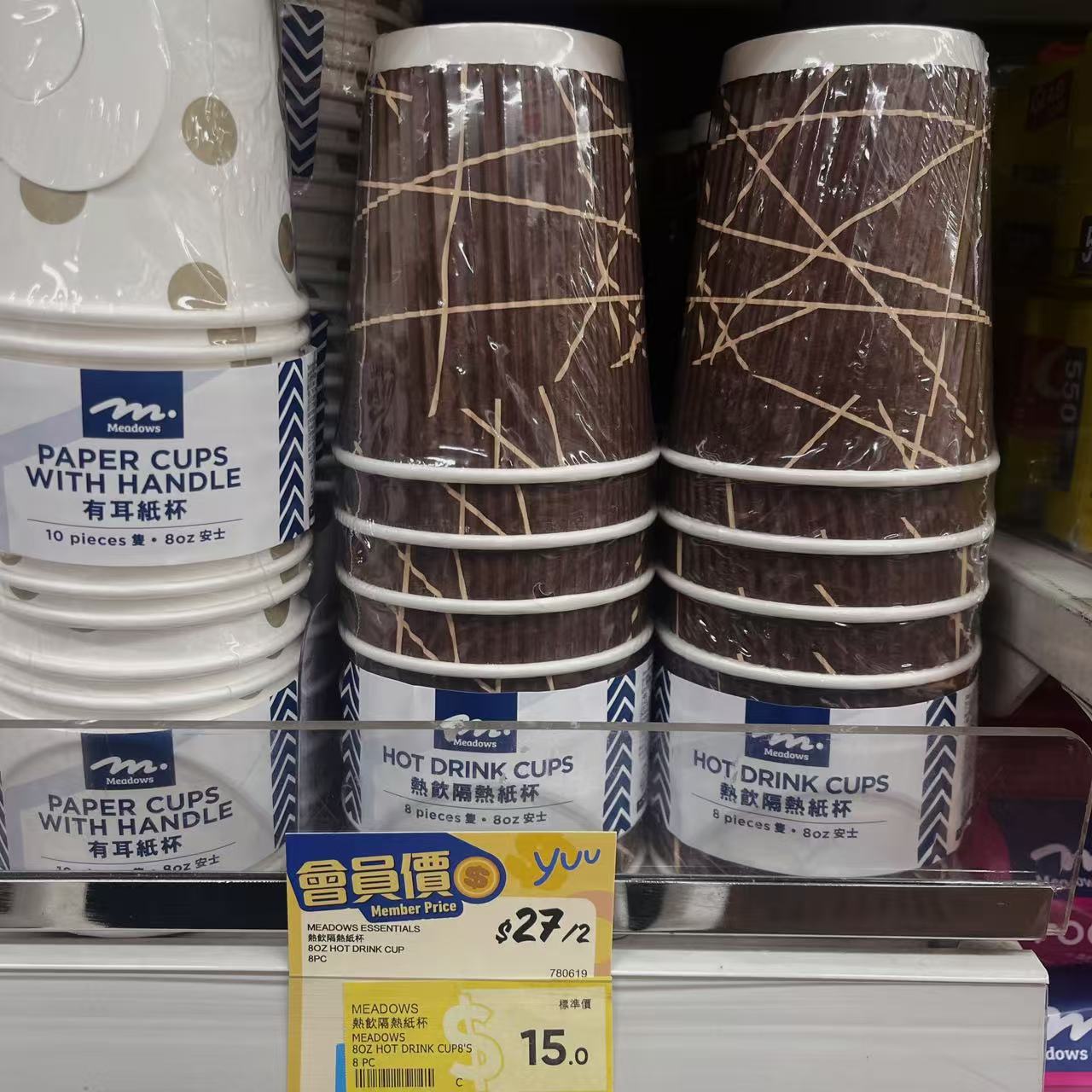
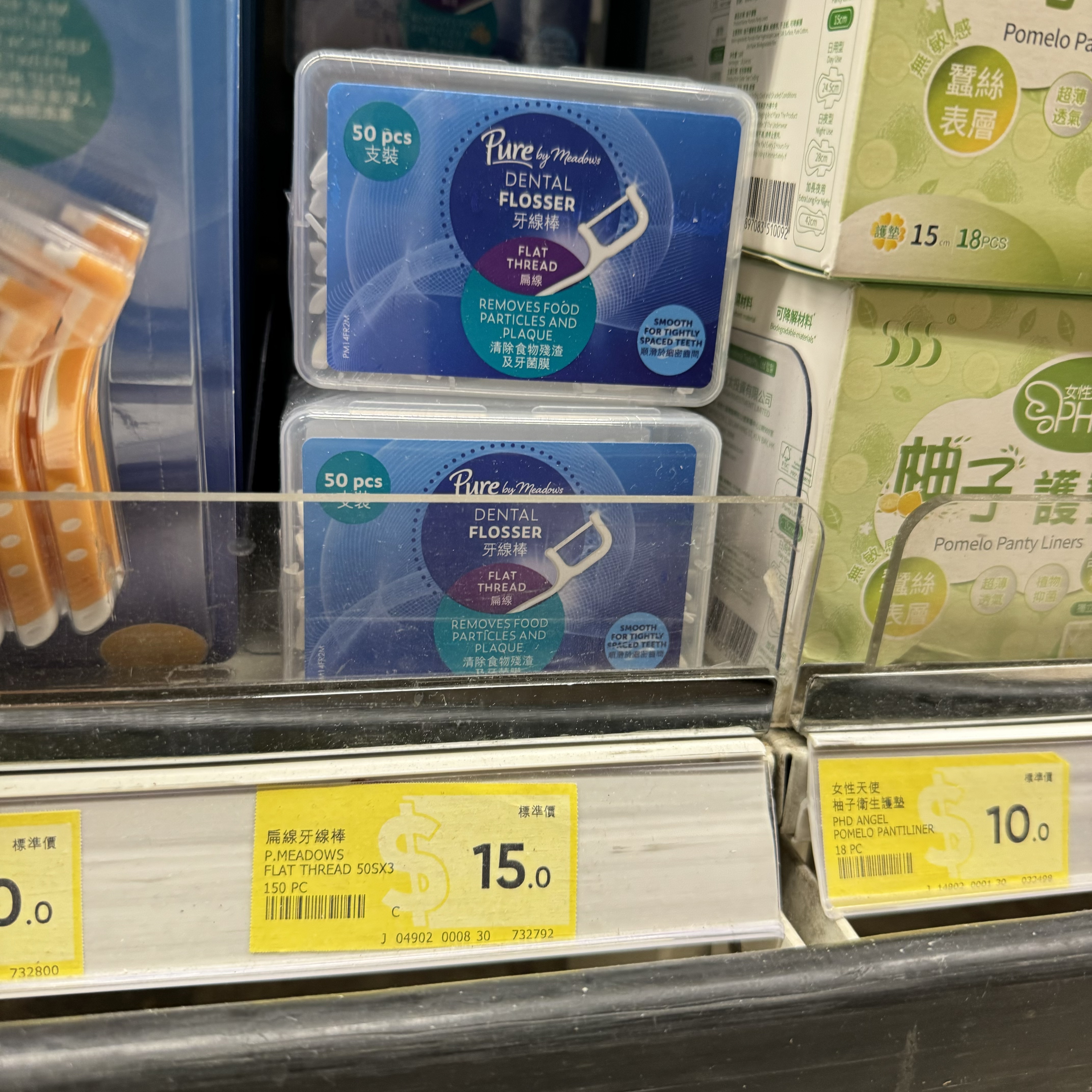
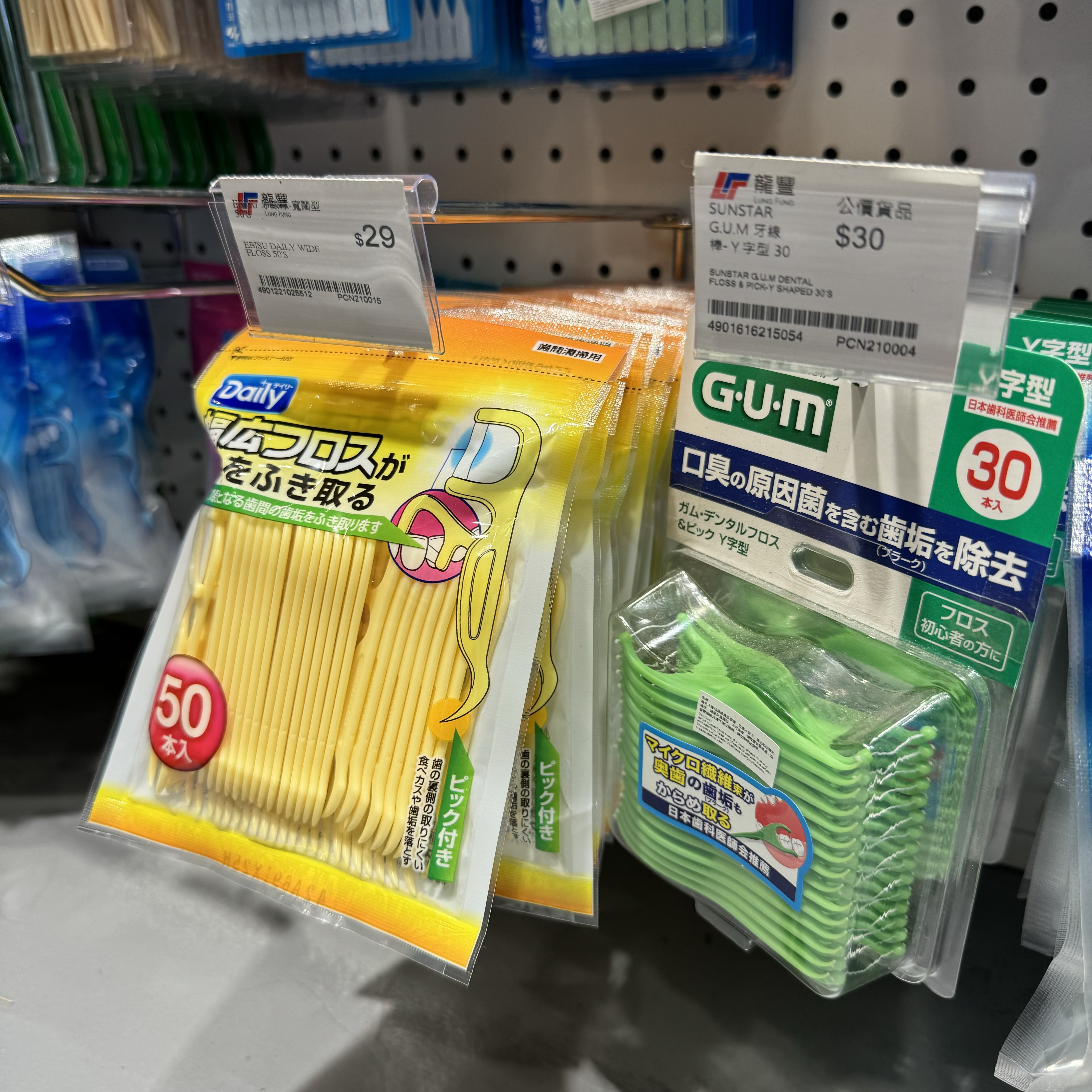
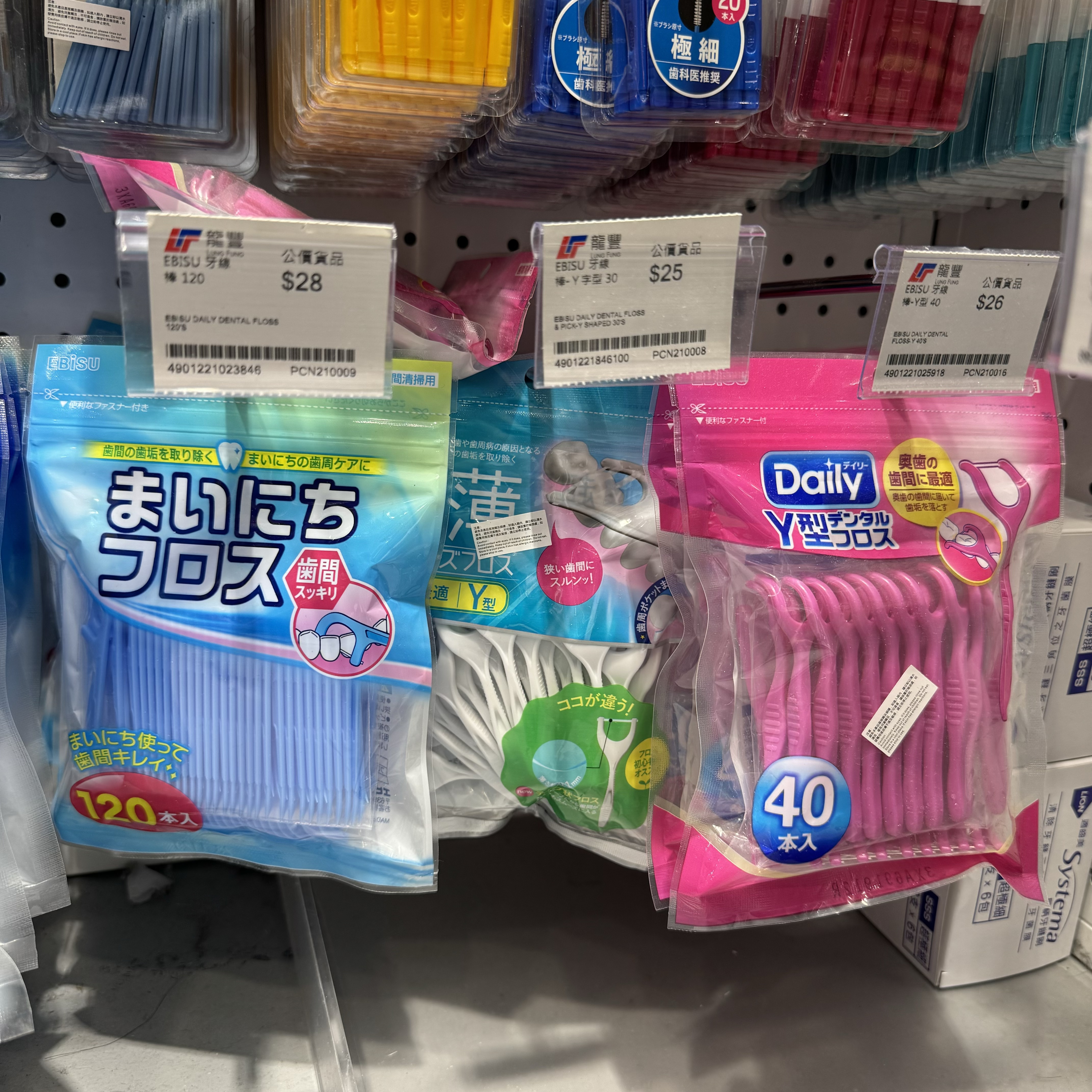
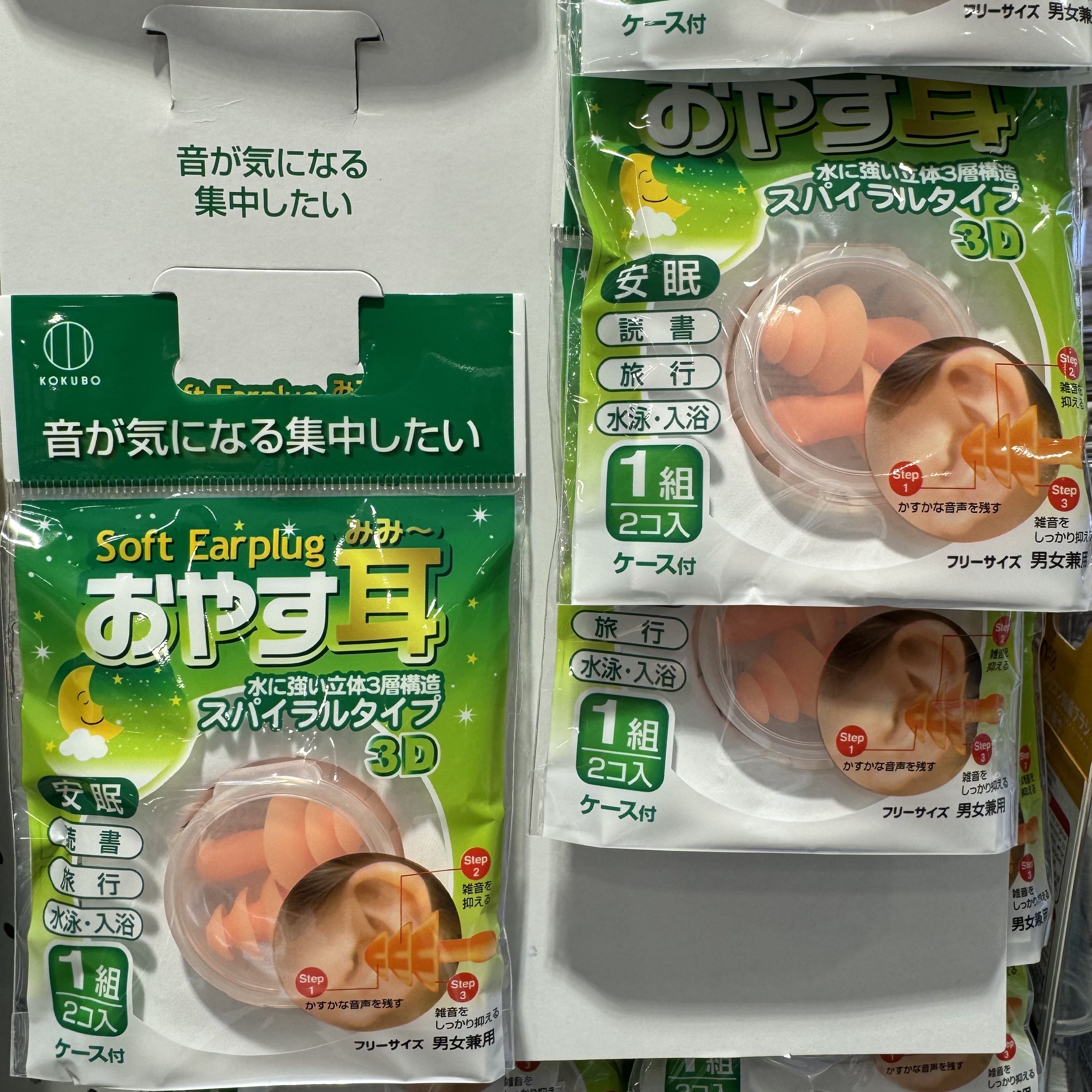
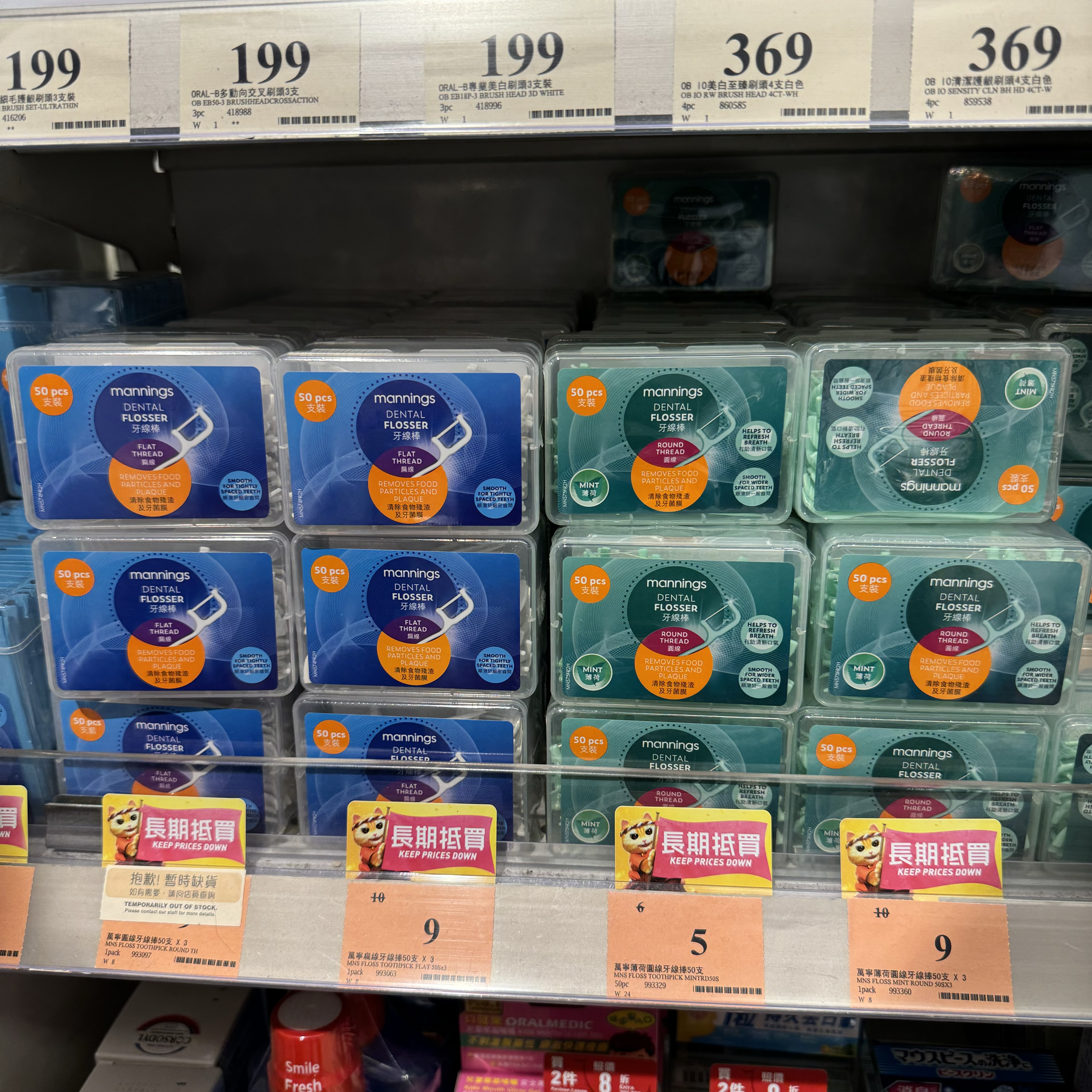
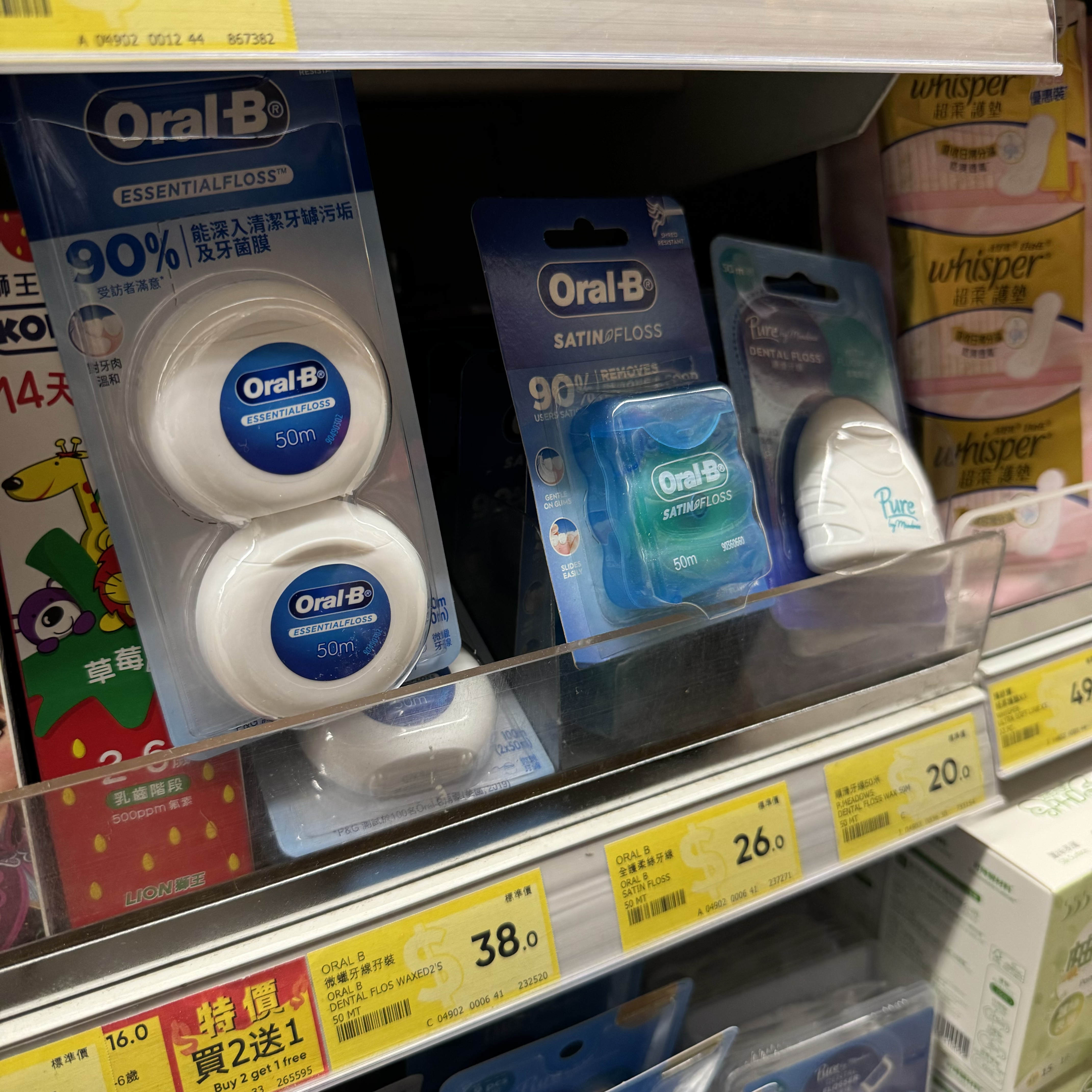
According to the legislative paper released on February 26, the government’s considerations in regulating other plastic products included whether the products are essential for daily life, as well as whether there are mature alternatives available in the market.
In light of it, the reporters visited the major supermarket chains in Hong Kong like Mannings and Wellcome, searching for replacement of the plastic stemmed dental floss and disposable plastic dishes.
In both Mannings and Wellcome Causeway branches, dental floss alternatives are severely lacking, with mostly plastic-handled dental floss. Neither wooden nor bamboo stemmed floss was found as suggested in the information on alternatives to disposable plastic products website released by the government.
For disposable dishes, they presented a relatively good range of options such as paper, bagasse, and reusable ones.
Moreover, since the ear plugs will be banned for free distribution in the second stage, the government suggested ear muffs as the only alternative in the aforementioned website, which are less practical due to their weight and portability.
————— · —————
In line with the government’s statement to the Panel on Environmental Affairs in February, ongoing initiatives will promote “plastic-free” campaigns to minimize disposable plastic tableware usage and promote the adoption of reusable alternatives.
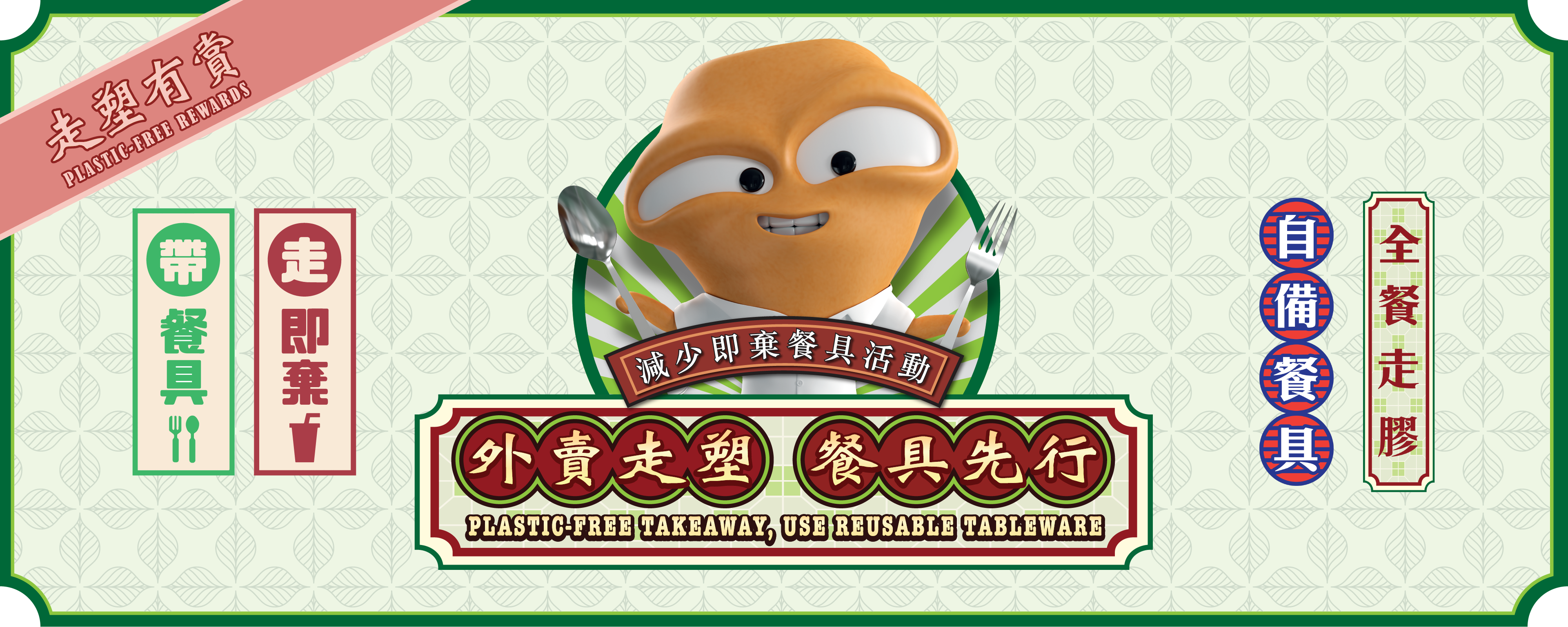
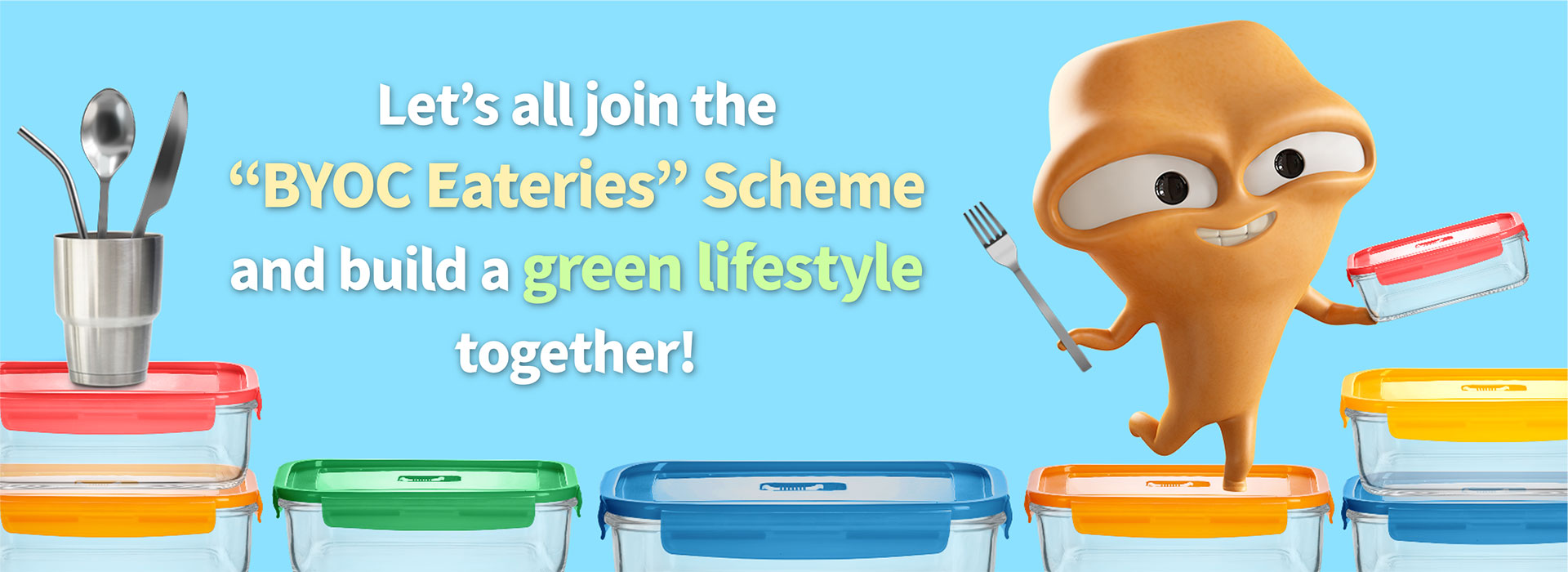
However, the effectiveness of some promotion campaigns may not be outstanding. For instance, only 6,000 people had participated in the phase II of the “ben don go!” campaign in a two-month period, which is only around 0.08% of the city’s population.
For the plastic-free campaign, there were over 750 restaurants participating in the third phase in 2023. However, according to the data released by the Food and Environmental Hygiene Department, there were 12,830 food business licences in the general restaurant category in 2023, indicating that only around 6% of the city’s restaurants were covered in the campaign.
Environment
NGO Perspectives and Data-Driven Conclusions on the Ecological Consequences of Regulation and InitiativesMunicipal solid waste comprises putrescibles, plastic and paper waste etc. The second constituent of municipal solid waste was plastic in 2022, accounting for 21% of the total.
The campaigner of Greenpeace, Leanne Tam Wing-lam, expressed her disappointment at the government’s decision despite negative comments from the citizens towards the implementation of the second stage of regulation.
It is actually shifting the responsibility onto the citizens, which is irresponsible.
She emphasized the significance of setting up a timetable for the implementation of the second-phase of the disposable plastic products regulation. “The government’s role is to lead the implementation of waste reduction policies. There should be a clear path for people to follow,” said Tam.
She said the decision may cause everyone to stall again, as the government no longer has a set date. The business sector and other stakeholders may temporarily hold back on certain aspects. “It may slow down the development of reuse services,” Tam added.
The issue with plastic is that it can potentially break down to microplastics, which are particles smaller than 5mm. Many studies suggest that they may enter the human body, posing a threat to health, said Tam.
According to a study conducted by Liu Zhengguo and You Xueyi in 2023, titled “Recent Progress of Microplastic Toxicity on Human Exposure Based on In Vitro and In Vivo Studies,” found that microplastics can trigger inflammatory responses, oxidative stress, and histopathological alterations.
Greenpeace had released a study on microplastics months ago, examining the feces of wild mammals in Hong Kong, including macaques, wild boars, water buffalo, cattle, and porcupines.
The result showed that 85% of the samples contained microplastics, indicating that microplastics have already invaded the city’s countryside, even if these animals may not regularly come into contact with plastics like urban areas do.
However, Tam also highlighted that the substitution of disposable plastic tableware with alternatives such as paper or bamboo may not yield the anticipated eco-friendly outcomes.
“Simply by banning plastic and switching to paper and bamboo, the amount of waste generated still remains the same,” she said.
Despite being costlier, these alternatives could potentially harm the environment by contributing to increased deforestation or additional paper consumption.
“Some so-called biodegradable materials may actually accelerate the breakdown of plastic into microplastics,” said Tam.
Tam pointed out that the government focused excessively on recycling and overlooked the aspects of reuse and waste reduction at the source.
Therefore, the NGO believed that promoting reusables over disposables is of prime importance.
“We suggest the government should establish a dedicated fund to promote a reusable borrowing and return system,” said Tam.
This system can assist citizens, whether dining in or ordering takeout, in making plastic-free choices beyond simply bringing their own utensils, she explained.
The campaigner urged the government to set specific goals to facilitate fundamental changes in the business sector. Their business models should no longer be confined to disposable packaging but should focus on promoting reuse.
“Our ultimate vision is that we do not need to advocate anymore, as effective waste reduction policies have already been implemented,” said Tam.
Many thanks to:
Interviewees
Vanessa Lam
Wendy Hui
Mr. Chung
Hon Ka Long
Leanne Tam Wing-lam
Primary Project Advisor
Foon Lee
Secondary Project Advisor
Kwok Yenni
Producer
Edith, Zhiling Liu
Winnie, Wong Wing Chun