Hong Kong-Shenzhen Commute
A cross-border university life for mainland students at HKUBy Luxiao Sun and Ling Lyu
a phenomenon
As students studying in Hong Kong for several years, we have observed a phenomenon that there is an increasing number of mainland students who decide to live in Shenzhen and commute to Hong Kong on a daily basis for their study. For students at the Chinese University of Hong Kong (25 mins MTR), the City University of Hong Kong and Hong Kong Baptist University (30-45 mins MTR), commuting back and forth between Shenzhen and Hong Kong looks like quite an easy way. However, for students studying at the University of Hong Kong, Shenzhen feels like half a world away. Why do HKU students decide to live in Shenzhen? How does this decision impact their way of life and study?
The decision of HKU students to live in Shenzhen rather than Hong Kong has sparked significant debate, as it reflects broader trends in cross-border living and the challenges of affordability in one of the world’s most expensive cities. Shenzhen, a rapidly growing metropolitan hub just across the border, offers lower living costs, modern infrastructure, and proximity to Hong Kong, making it an attractive choice for students seeking a more affordable lifestyle.
However, this decision is not without its challenges, including lengthy commutes, cultural differences, and strict regulations, such as Hong Kong’s stringent restrictions on bringing pets from mainland China. These factors highlight the complexities of cross-border living and the trade-offs students must consider when balancing financial and practical advantages with personal and logistical constraints.
meet our interviewees
- Student from HKU MJ-DFS
- Started to live in Shenzhen from November, 2024
- “It is less crowded and noisy.”
- Student from HKU MJ-DFS
- Started to live in Shenzhen since August, 2024
- “I have a cat that I cannot live without!”
- Student from HKU MJ
- Started to live in Shenzhen since August, 2024
- “I feel less lonely in Shenzhen, I have more places to hangout.”
“why do you decide to live in Shenzhen?”
Apart from the low cost of living and convenience, our interviews reveal another perspective on student’s decision to live in Shenzhen – the pet.
Those who own pets face significant challenges due to Hong Kong’s stringent pet import regulations. Hong Kong classifies mainland China as a Group III region concerning rabies risk, necessitating a minimum 120-day quarantine for dogs and cats entering from the mainland.
This extended quarantine period can be stressful for both pets and their owners, potentially deterring students from residing in Hong Kong if they wish to bring their pets wth themi. The logistical complexities and emotional strain associated with such lengthy quarantines may outweigh the expperiences of living in Hong Kong.
However, with recent news from the Agriculture, Fisheries and Conservation Department (AFCD) in Hong Kong, the government has decided to slash quarantine for cats and dogs from Macau from 120 days to 30 days. Many are expecting this new legislation to cover mainland China.
comparison
On the other hand, Shenzhen provides more spacious and modern apartments at a fraction of the cost. Newer developments in Shenzhen often feature better facilities, such as gyms, gardens, and community spaces, creating a more comfortable and enjoyable living experience. The downside, however, is that Shenzhen’s rapid urbanization has led to areas of heavy construction and noise, which can detract from the overall appeal. Despite this, many students find Shenzhen’s housing options far more attractive and practical compared to the high-cost, high-density environment of Hong Kong.
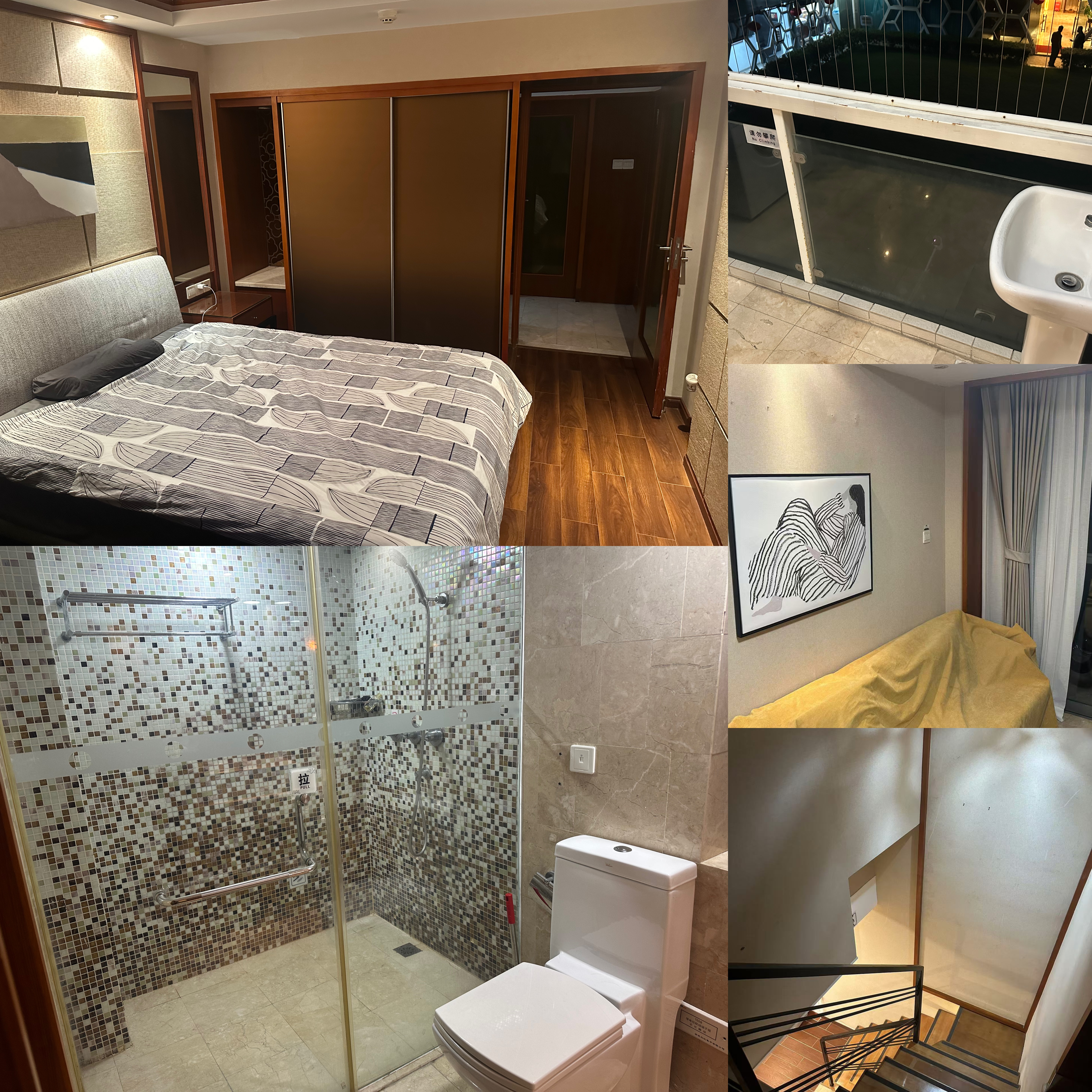
- Photos of Kaisen’s apartment in Shenzhen
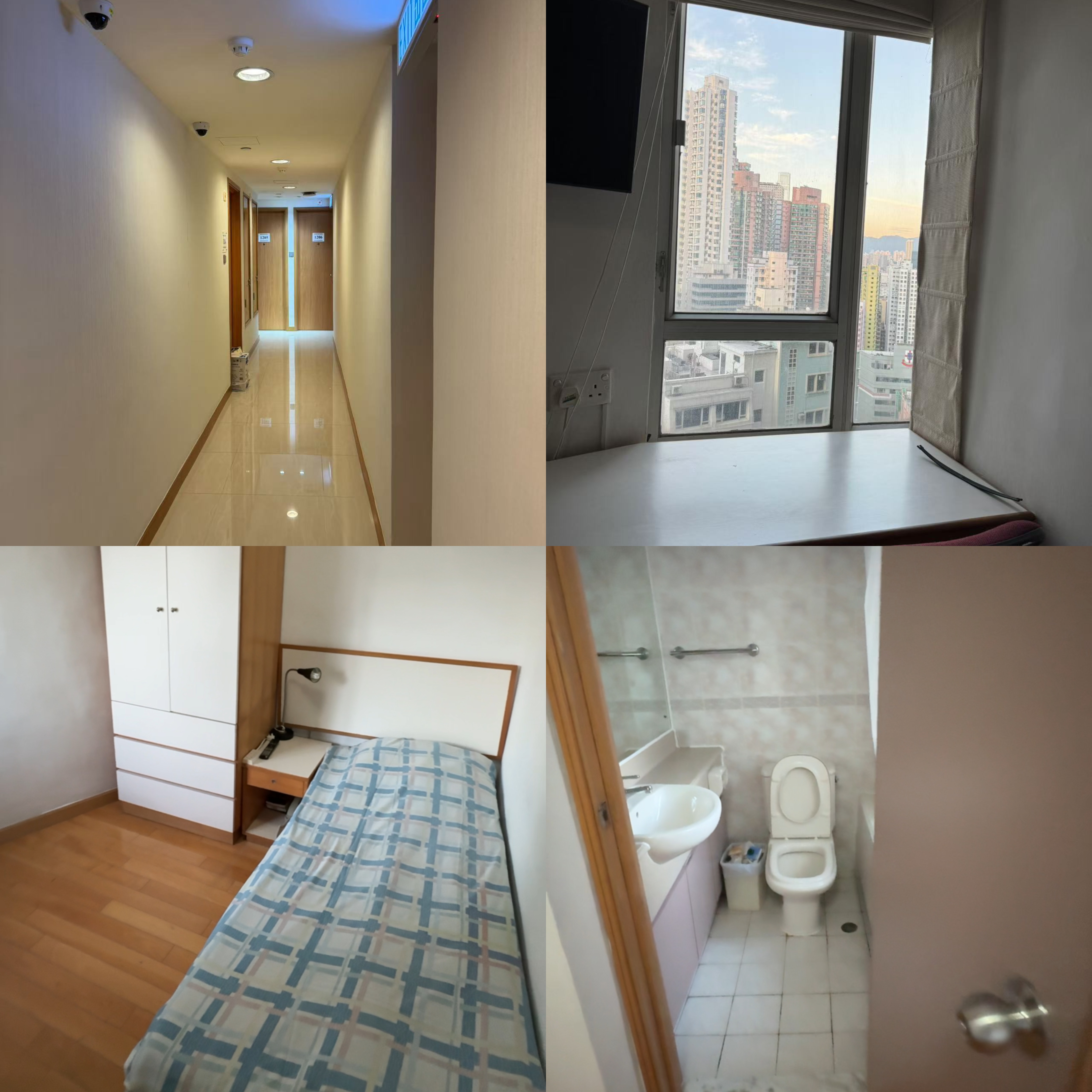
- Photos of Zhouquan’s apartment in Hong Kong
When it comes to living conditions, apartments in Shenzhen often offer a better environment compared to those in Hong Kong, especially for students on a budget. In Hong Kong, high property prices mean that affordable apartments are typically small, cramped, and older, with limited space for comfortable living. Many apartments in the city lack modern amenities or outdoor spaces, making them less appealing for long-term stays.
Hong Kong’s apartments are famously small, and the reasons behind this are tied to the city’s unique challenges. With limited land and a dense population, property prices have soared, leaving developers no choice but to create smaller living spaces. The city’s mountainous terrain further limits the amount of usable land, which puts even more pressure on housing.
This shortage of space, together with a significant wealth gap and a lack of affordable housing options, has pushed many residents into tiny apartments. Some even live in subdivided units, often referred to as “coffin flats,” which are cramped and sometimes lack basic amenities like proper ventilation. While the government has introduced public housing programs and discussed setting minimum living space standards, finding solutions to Hong Kong’s housing issues remains a significant challenge.
Below are two tables of comparison, we can clearly see that the cost of living in Hong Kong is much higher than that in Shenzhen in every category. For students who need to minimise their cost of living, staying in Hong Kong means a decrease in living standards.
infrastructure – the crucial development
The opening of the Hung Hom to Admiralty MTR link in 2021 marked a significant milestone in Hong Kong’s transportation network. This extension, part of the Shatin to Central Link, dramatically improved connectivity by linking the East Rail Line directly to Hong Kong Island for the first time. With this new route, passengers can travel seamlessly from areas like Hung Hom, Kowloon Tong, or even Lo Wu and Lok Ma Chau at the border, all the way to Admiralty, a major commercial and transit hub on Hong Kong Island.
The connection has significantly shortened travel times, eased congestion on other MTR lines, and provided a more convenient option for commuters and cross-border travelers. For students and workers traveling between Shenzhen and Hong Kong, this development has been particularly beneficial, making daily commutes quicker and more efficient while integrating Hong Kong’s transport network more closely with its neighboring regions.
ways to travel
This AI-generated video shows the usual ways to travel from Shenzhen to Hong Kong based on the interviews with the students who actually took these routes. Students traveling from Shenzhen to the University of Hong Kong (HKU) typically rely on a mix of public transportation and cross-border travel systems. The journey often starts with crossing the Shenzhen-Hong Kong border via major checkpoints like Futian or Luohu, using either the Hong Kong MTR or shuttle buses. Once across, students usually take the MTR, boarding the East Rail Line toward Hung Hom and transferring to the Island Line, which stops at HKU station. Alternatively, some students may use cross-border buses, which connect Shenzhen directly to various points in Hong Kong. For those who value speed and convenience, private ride-hailing services or taxis are also an option, though less commonly used due to higher costs. The entire journey can range from 1.5 to 2.5 hours, depending on the mode of transport and border-crossing times.
Here are two videos about our interviewees’ personal experiences of travelling from Shenzhen to Hong Kong.
The POV offers a firsthand, personal perspective on the experience of traveling via the high-speed railway from Shenzhen to Hong Kong. The interview video tells us their experiences travelling on a daily basis – the time they usually take, the various ticket prices, and their walking time.
Pick your video and it will show on the big screen!
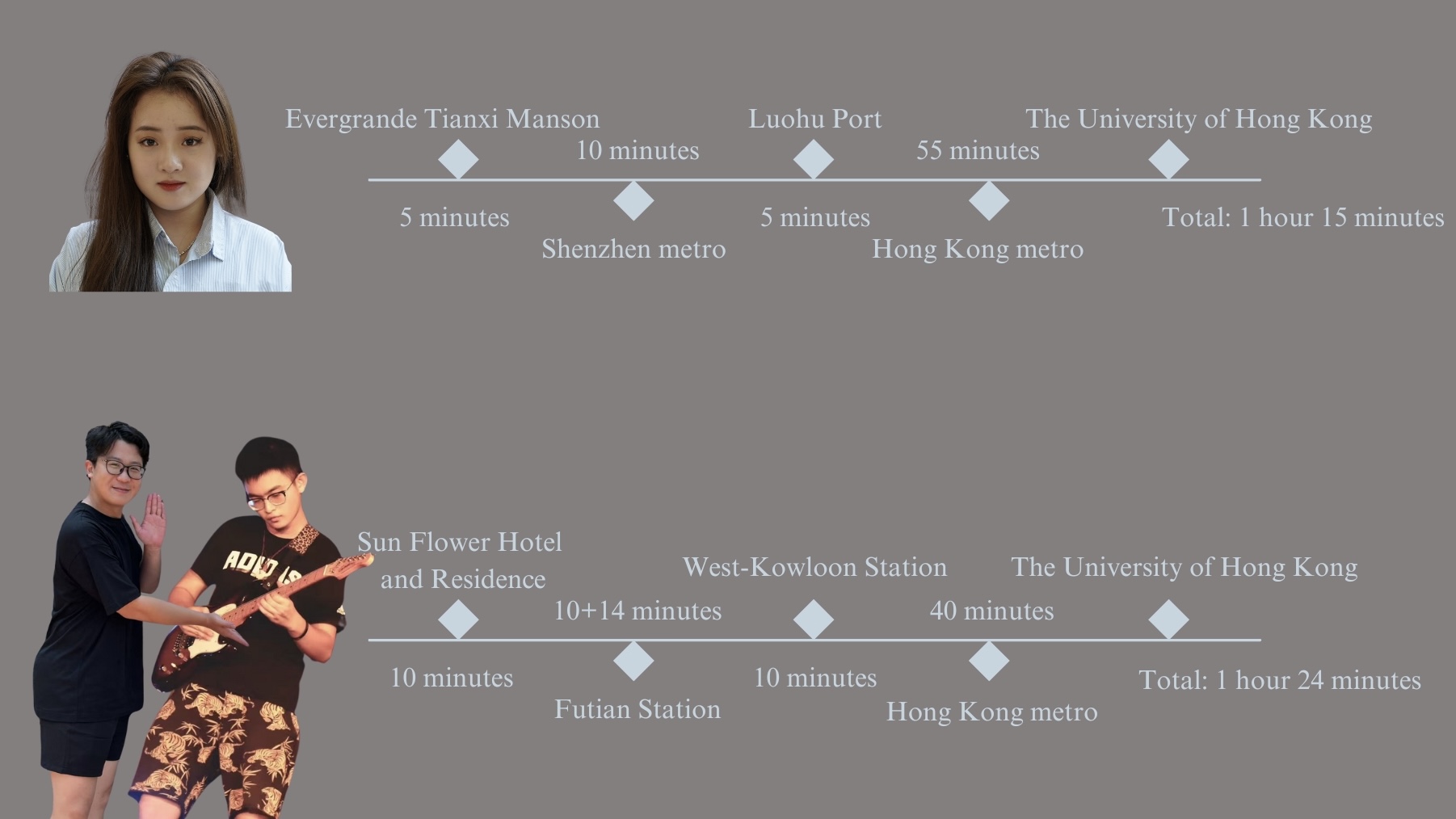
Here’s a timeline summary of their daily commute. We asked them to track their time during a typical morning routine, providing a realistic reference point for our readers to understand the usual duration of their journey. Zishu usually spends one hour and fifteen minutes from her apartment in Shenzhen to The University of Hong Kong. Kaisen and Zhouquan usually spend one hour and twenty-four minutes from their apartment to The University of Hong Kong.
Here is a summary and comparison of the duration and prices of each public transport, for people who are data sensitive! Students tend to choose the metro as their first choice since it’s relatively cheap and fast. The railway is also a popular choice for a shorter time. For those who live in Shekou, a ferry is also a great choice. However, some students have to take a bus or taxi when an emergency comes.
still an international student? a dilemma or a future trend?
Whether a mainland Chinese student from Shenzhen studying at the University of Hong Kong (HKU) is considered an international student depends on how the term is defined. In most cases, international students are identified by nationality, residency, or institutional policies. By nationality, such a student might not be classified as international, since Hong Kong and Shenzhen are both part of China. However, residency and documentation requirements complicate this definition. Mainland students traveling to Hong Kong need an Exit-Entry Permit for Travelling to and from Hong Kong and Macao (EEP) and a student endorsement, placing them in a unique category.
At HKU, they are typically referred to as “non-local students” rather than “international students,” reflecting their distinct status under the One Country, Two Systems framework. Despite not being international by nationality, they often share similar experiences, such as paying higher tuition fees than local students and navigating immigration-like requirements. Ultimately, the classification depends on the context—whether it relates to university policies, residency rules, or the student’s lived experience.
“My course is in English, and I also speak English in Hong Kong on a daily basis. I don’t see why I am not an international student.”
“I will continue to live in Shenzhen after I graduate and find a job in Hong Kong. “
“My university friends who live in Hong Kong also have no social life. They eat on their own, go shopping on their own. I think we share the loneliness as international studnets.”
The unique classification of mainland Chinese students as “non-local” rather than “international” raises important concerns about their integration into Hong Kong society, particularly for those living in Shenzhen who commute to study at HKU. While these students may share cultural and linguistic ties with Hong Kong, socio-political differences and the city’s distinct local identity often create barriers to deeper engagement. Students commuting from Shenzhen face additional challenges, as their physical separation from campus life can limit opportunities to build relationships and immerse themselves in the community. The need for special permits and their classification as non-local students can further reinforce a sense of transience, making it harder for them to feel fully included.