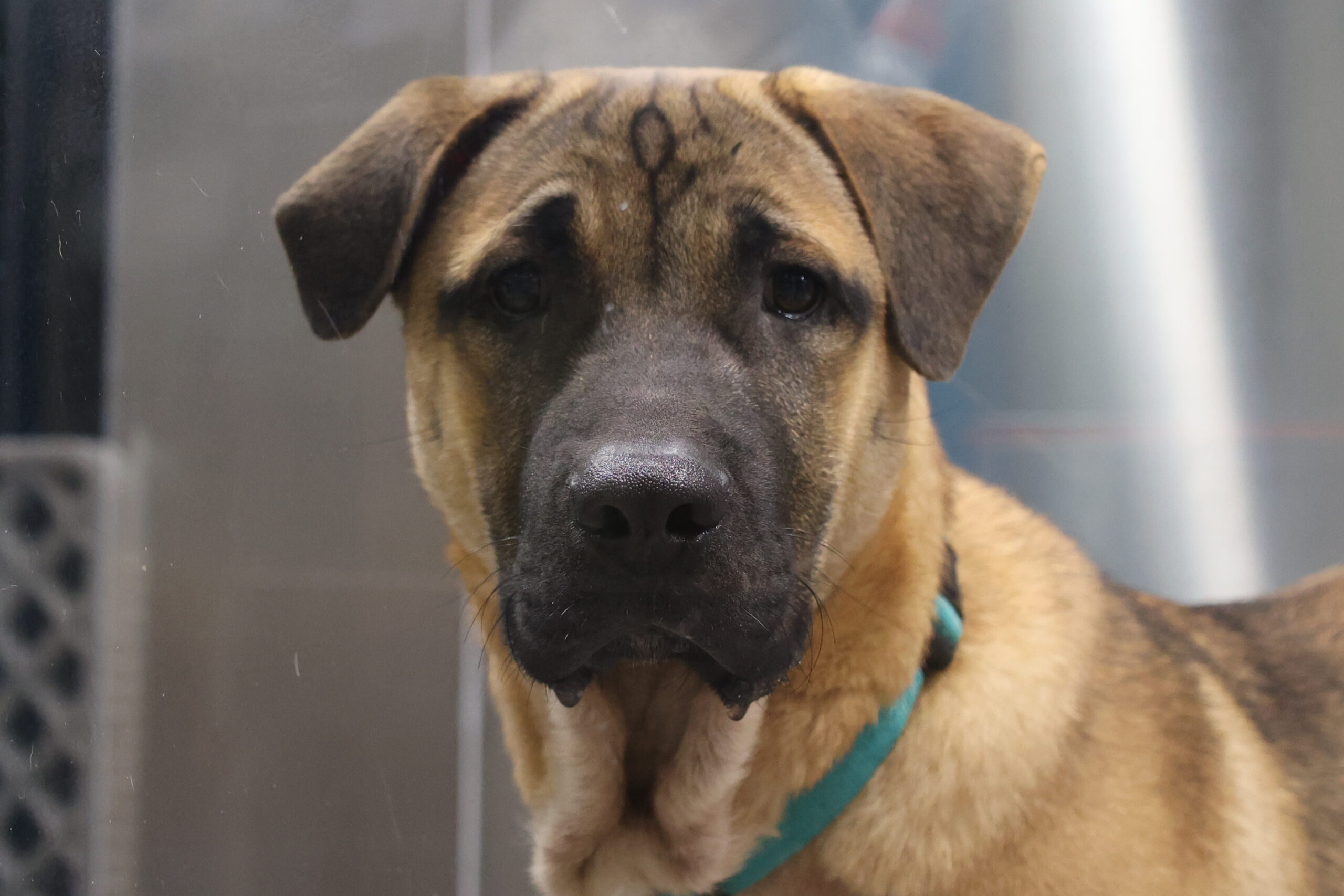
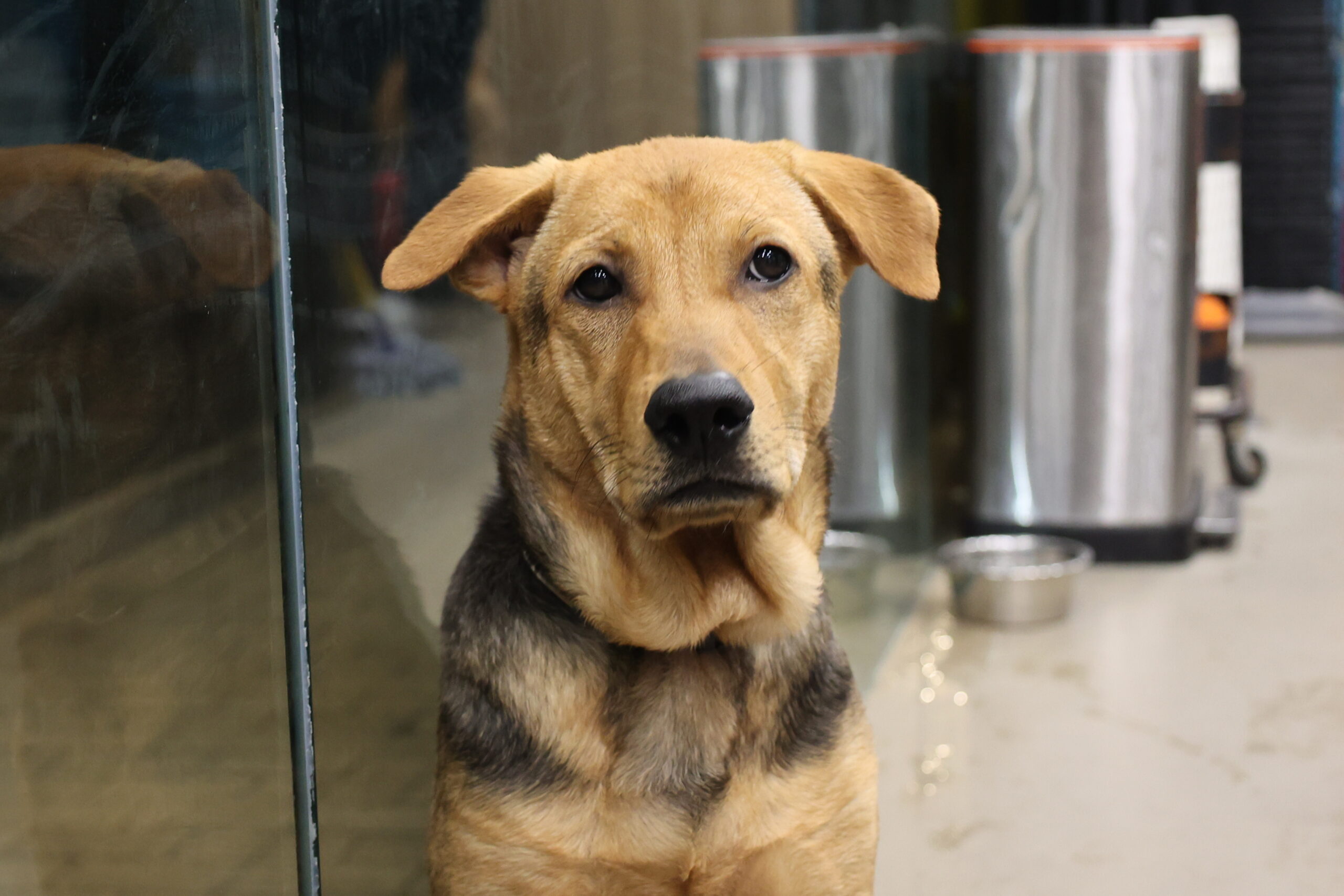
'I AM EAGER TO HAVE A HOME!'
A Heartfelt journey of Compassion, Rescue, and Transformation: The Challenge of Adopting Dogs in Hong KongPolicy and statistics on stray animals in Hong Kong
In Hong Kong, the Agriculture, Fisheries and Conservation Department (AFCD) operates four Animal Management Centers (AMCs), which are responsible for tasks such as catching and handling stray animals, as well as handling animals received from other sources, such as abandoned animals and illegally imported animals seized by AFCD. However, the AFCD does not provide direct animal adoption service to the public. According to the AFCD’s guidelines, the unclaimed1 notation means that the AFCD will trace the identity of the owner of the microchipped stray animal and arrange for its adoption. Stray dogs and cats in good health and with a gentle temperament will be transferred or rehomed to animal welfare organizations for adoption by the public. Stray dogs and cats that are not claimed after four days and assessed to be unsuitable for adoption (e.g. in poor health or of ferocious temperament) will be handled humanely.
Stray dogs and stray cats are generally feral animals, abandoned or lost pets. To address stray animal issues as well as safeguard animal welfare, AFCD has enhanced its public education efforts on, among others, promoting responsible pet ownership and advising against abandonment of pets in the past few years. Grace asked Agriculture, Fisheries, and Conservation Department in 2021, trying to figure out the trend of stray animals in Hong Kong. It turns out that as more people became aware of the responsibility and commitment required for pet ownership, the number of dogs and cats received by AFCD, including the stray dogs and cats caught, as well as those surrendered by their owners and received through other channels, had reduced noticeably.
Agriculture, Fisheries and Conservation Department (AFCD) handles stray and abandoned animals in accordance with the relevant legislation in Hong Kong. Stray animals caught will be put in the Animal Management Centres (AMCs) of this Department for observation. For dogs with a microchip implanted, the AMCs will try to locate their owners based on the information on their records. In general, these animals will stay in the centres temporarily for about 10 to 20 days. For those without a microchip, the AMCs will keep them for at least 4 days in case they are indeed owned, allowing time for their owners to reclaim them. In cases where the animals being left unclaimed are in good health and assessed by a veterinary surgeon as having a gentle temperament and suitable for adoption, the AMCs will arrange for their transfer to Animal Welfare Organizations for adoption by members of the public. Only animals that remain unclaimed and not suitable for adoption at the end of the process will be euthanized. It can be seen from the bar chart that the number of dogs euthanized in Hong Kong has been declining from 2018 to 2021.
Although the number of stray animals is decreasing year by year with the passage of time and the hard work of more and more animal rescue organizations and volunteers, we have to admit that behind every stray animal, there are still countless heartbreaking stories. Every number is not just a cold statistic, it carries the pain and loneliness that countless stray animals have experienced. These lives, which should have enjoyed warm families and received unfailing love and care from their owners, were abandoned on the streets and wandered helplessly in the wind and rain. Every time the number of stray animals decreases, although it means that we are moving towards a more humane direction, we must not forget that those lives that have not been rescued, they are still struggling in loneliness, still longing for a warm embrace.
LAP Lifelong Animal Protection Charity
exists to help animals in Hong Kong and to bring about the conditions whereby every animal has a good home.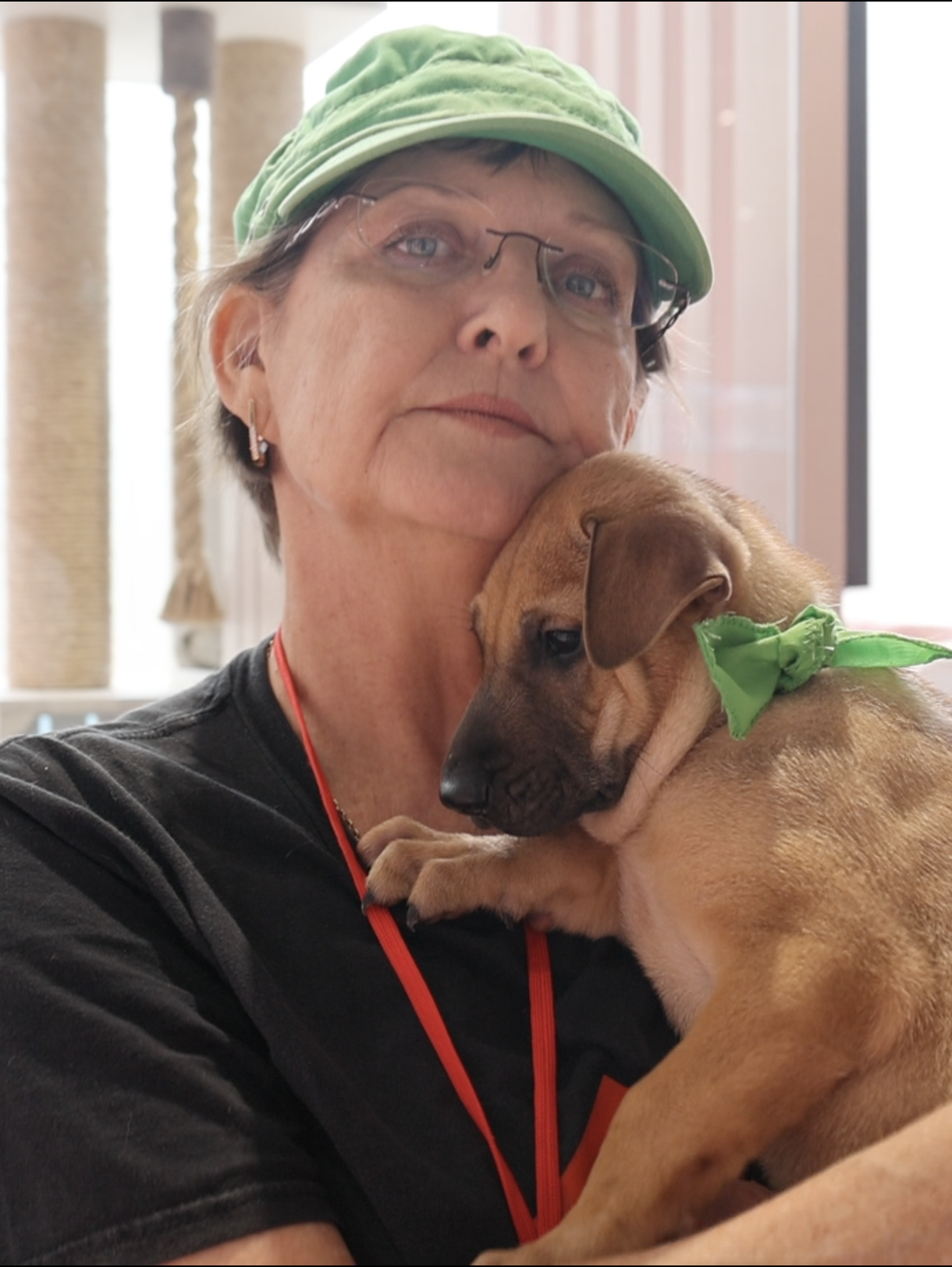
Sheila McClelland,LAP,Founder
Sheila McClelland, the founder of LAP, has been passionately committed to animal welfare since she stepped up to rescue her first dog, Boodhai, in 1991.
Shocked by the more than 25,000 abandoned dogs and cats killed by the Hong Kong Government each year, she decided to act. The result was LAP, first as Lamma Animal Protection, now broadened across Hong Kong into Lifelong Animal Protection, but still very much with animal protection at its core.
Firmly of the belief that as soon as an animal shelter is opened it's full, Sheila instead established an effective network of short-term volunteer foster homes to care for rescued abandoned animals until their adopters and lifelong home can be found.
Now LAP is physical points for adopters, volunteers, fosters and the animals to meet. Sheila, together with LAP's dedicated band of supporters, volunteers and foster carers strive to re-home animals, educate children and adults and support Government measures to promote desexing, outlaw unscrupulous breeders, and tighten animal cruelty laws.
Sheila's job will only be finished when LAP is no longer needed in Hong Kong.
Fostering means looking after a rescued, orphaned or recovering animal for a short time. Choosing to foster is a great community service. Fostering an animal not only improves the chances for the animal to be seen and adopted; it also benefits the volunteer who gets the satisfying chance to really make a difference in that animal's life.
Many fostered animals are initially timid and wary but gain confidence in a loving and consistent environment. They are actually better off after having been through this intermediate step, able to adapt more rapidly and completely to their permanent homes.
If you already have animals at home a foster animal can provide them with a great playmate and can revitalize older animals, helping to keep them fit and stimulated.
The foster family provides the loving attention the animal needs. The biggest pleasure of being a foster parent is seeing how this animal, that you have loved and cared for, brings joy to a new adoptive family. It is inevitable that you will become attached to your foster friend and it can be difficult to say goodbye when he finds a new home, no matter how perfect the new family may be.
However, this is a small price to pay for saving a valuable life. By fostering you can save many animals, not just those you foster, as you release resources that would otherwise be devoted to them. Fostering gives animals who have been strays or abused an opportunity to become a valued member of a family.
How our volunteers can help?
Countless giving individuals have contributed hundreds of hours of unpaid service for animals. Organising events, walking dogs, bottle-feeding motherless puppies, matching our shelter pets with the right prospective adopters, answering phones, and fostering newborn orphaned pets are just a few of the live saving efforts these wonderful animal lovers perform.
For more organizations you can find in Hong Kong, see the StoryMap below!
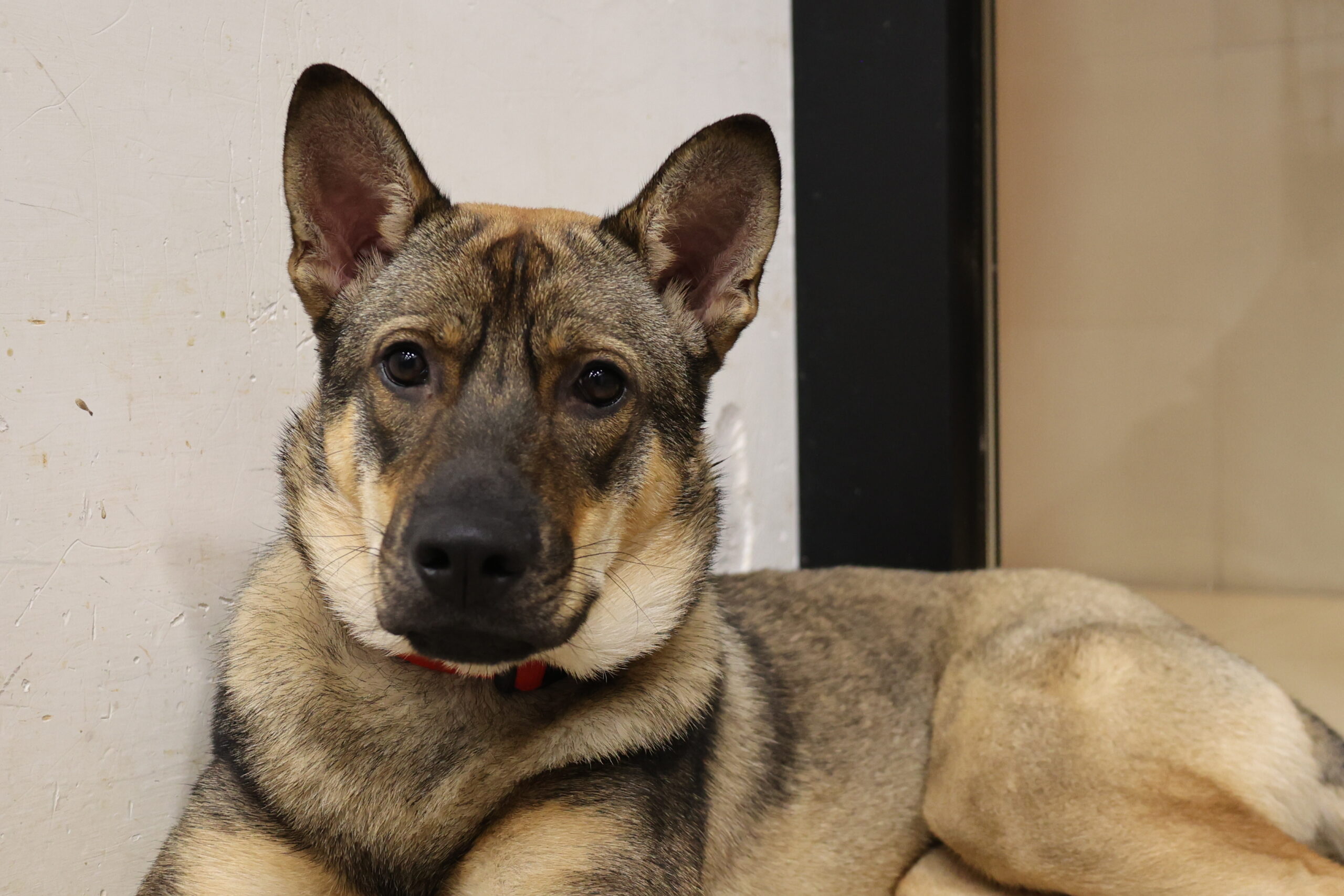
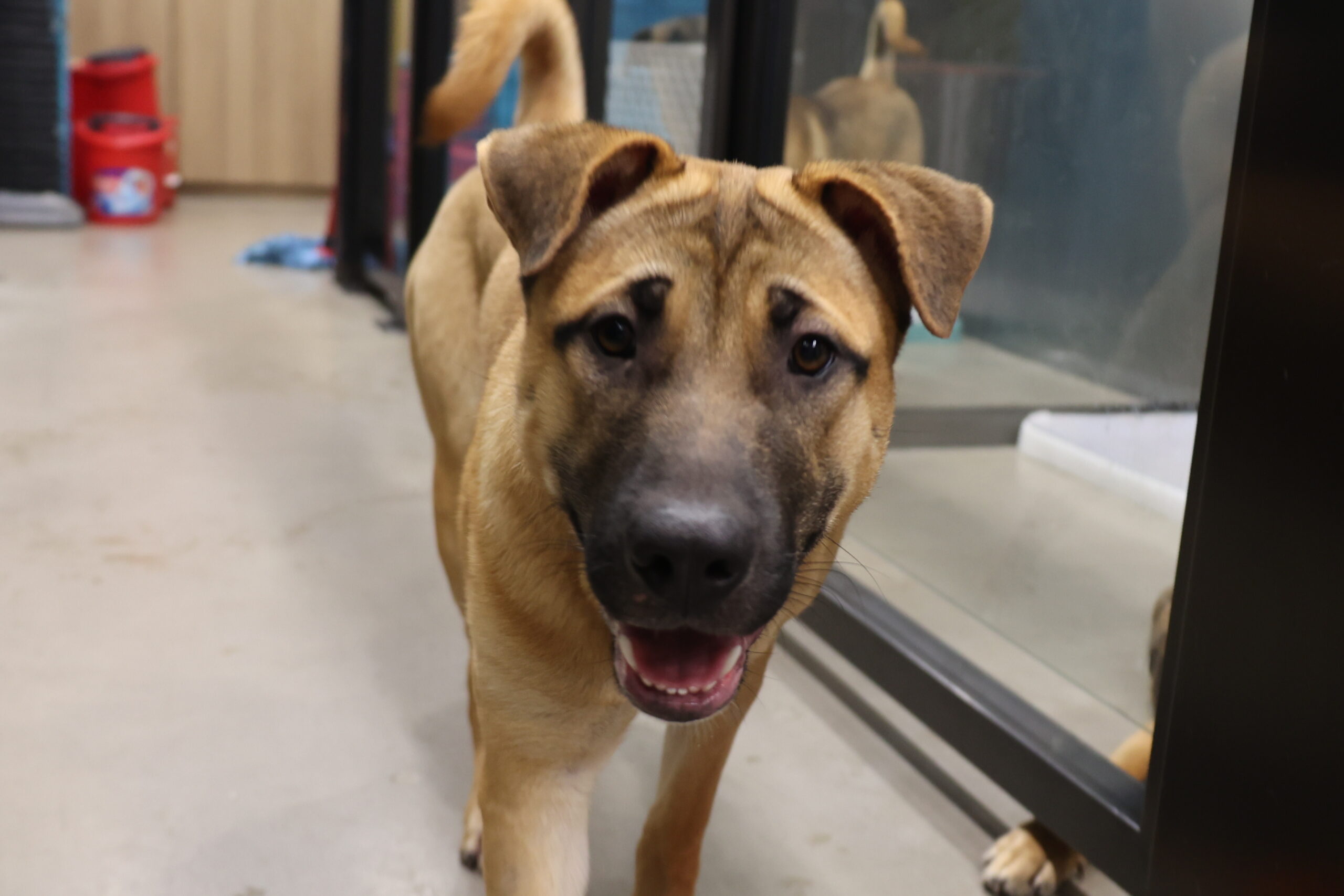
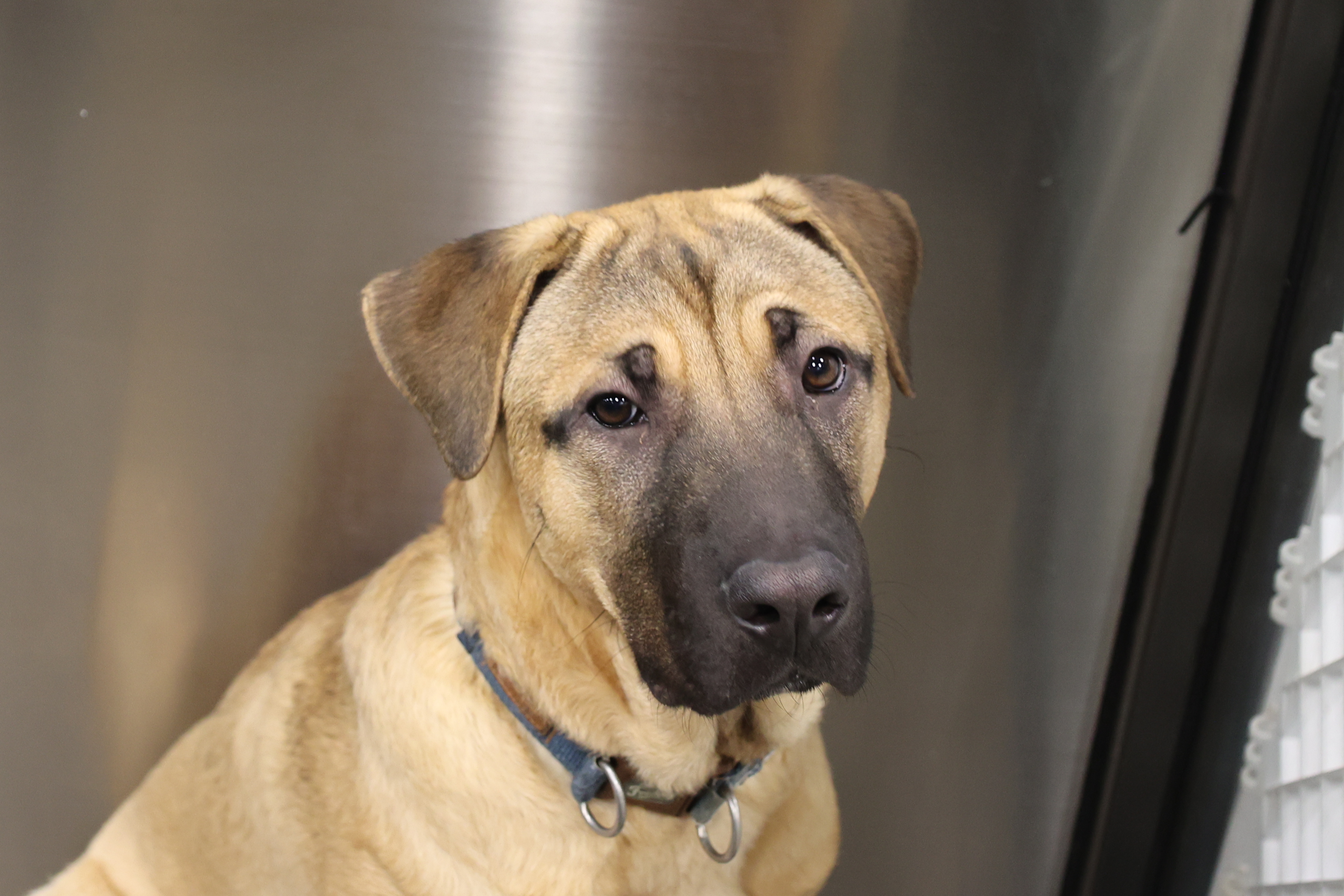
“PLEASE TAKE ME HOME!!!!”