
Introduction
The debut of Hong Kong’s Pai-Tong dates to 1847.
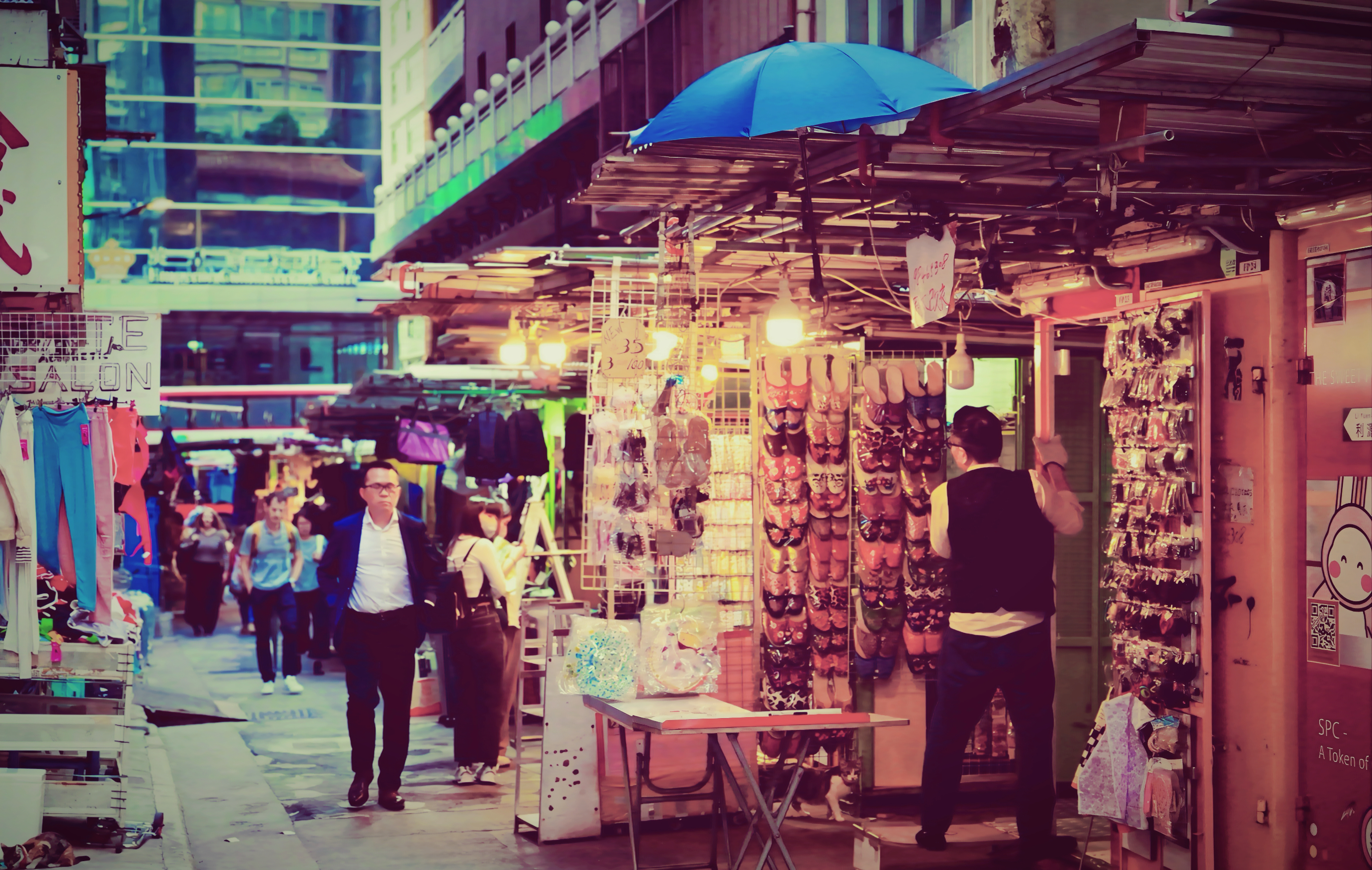
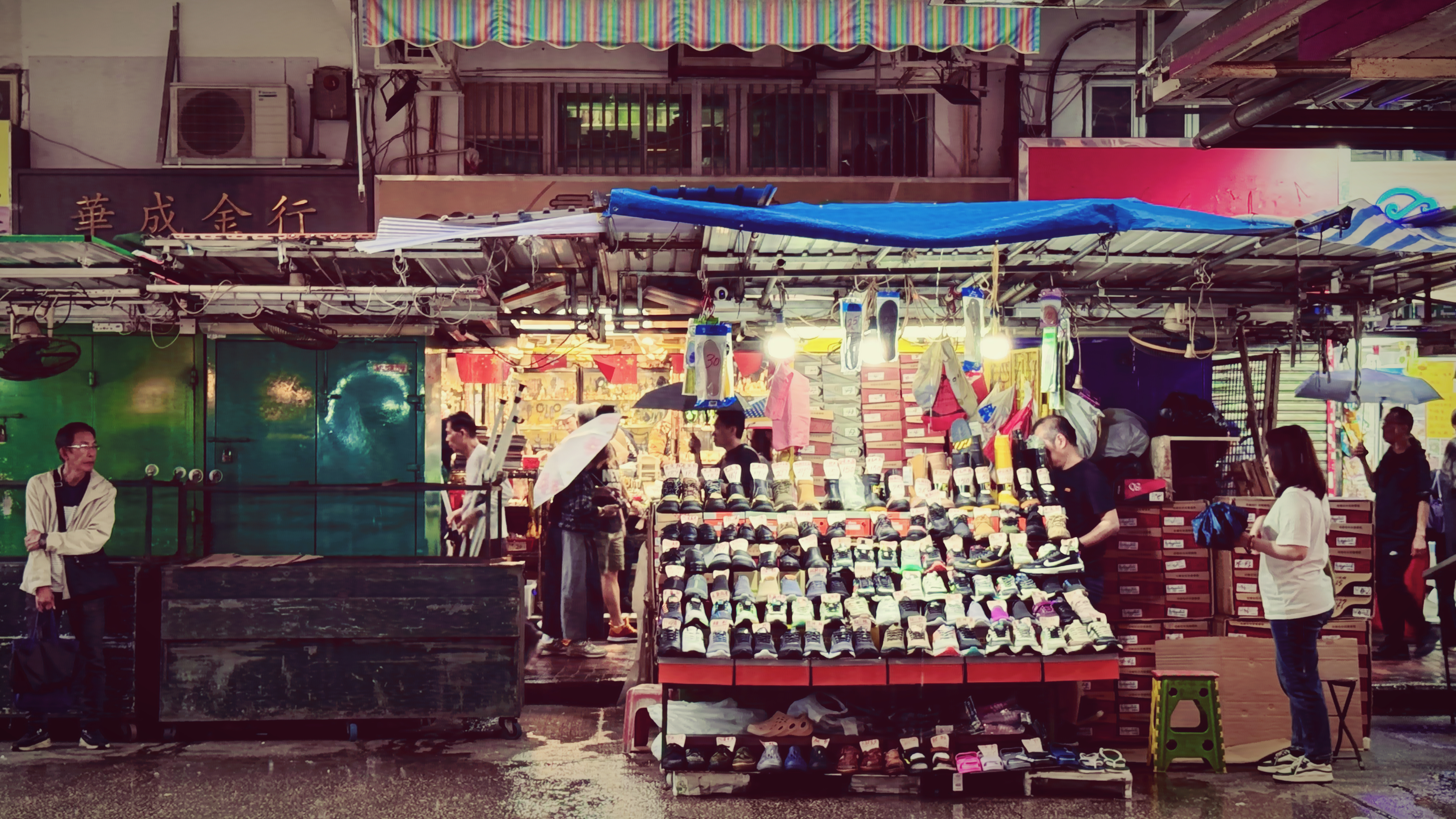
Typically painted green, Pai-Tong serves as a compact vendor stall stocked with daily necessities, clothing, toys, and more. By day, owners crank open a large winch to extend the awning for rain protection; by night, they retract the structure into a box-like metal shell.
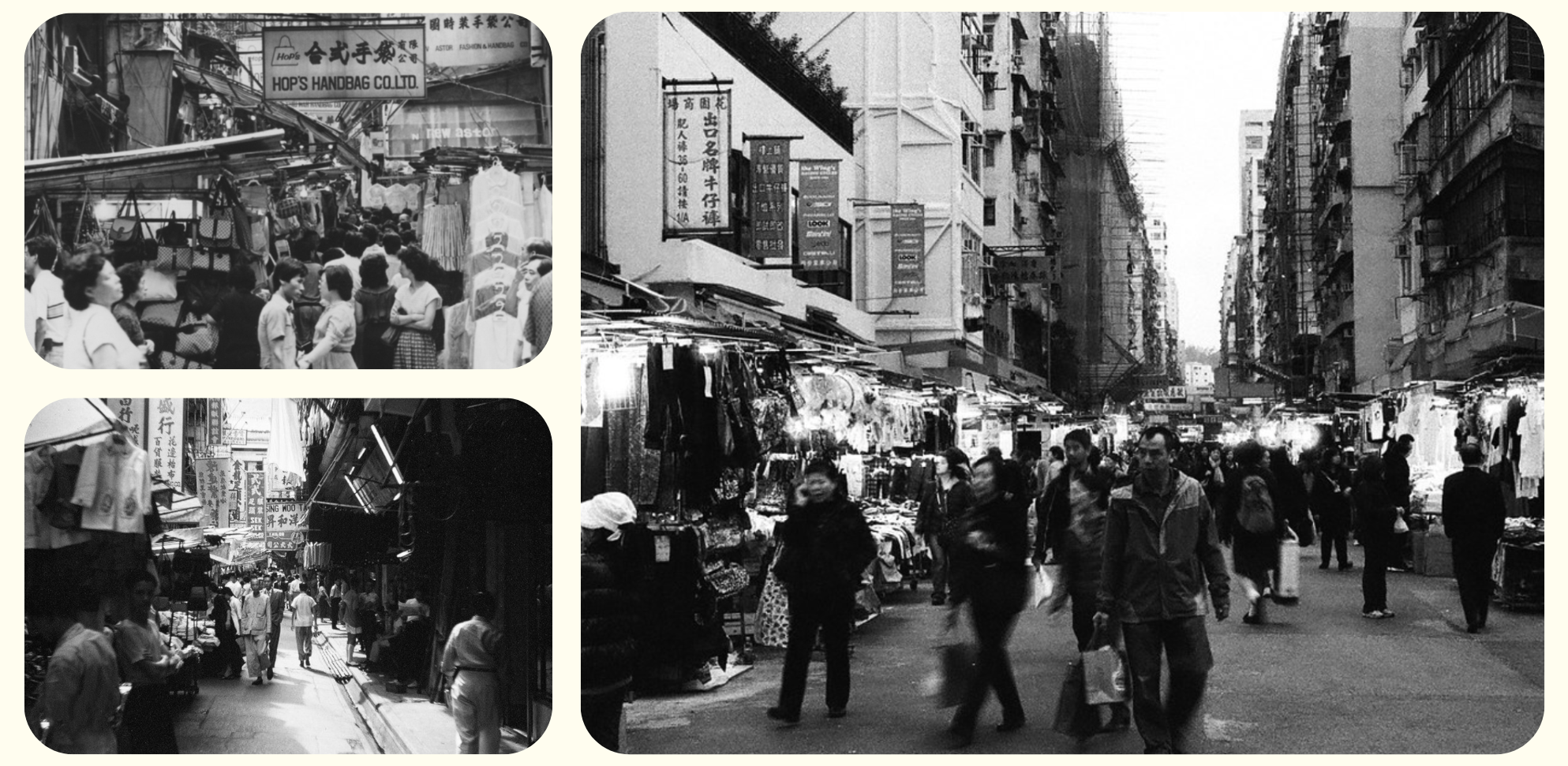
Those tiny stalls gradually became Hong Kong people’s minions as they served all kinds of goods while occupying almost no ground, which perfectly satisfied the city’s expectations. There used to be 20 thousand Pai-Tongs in the 1980s.
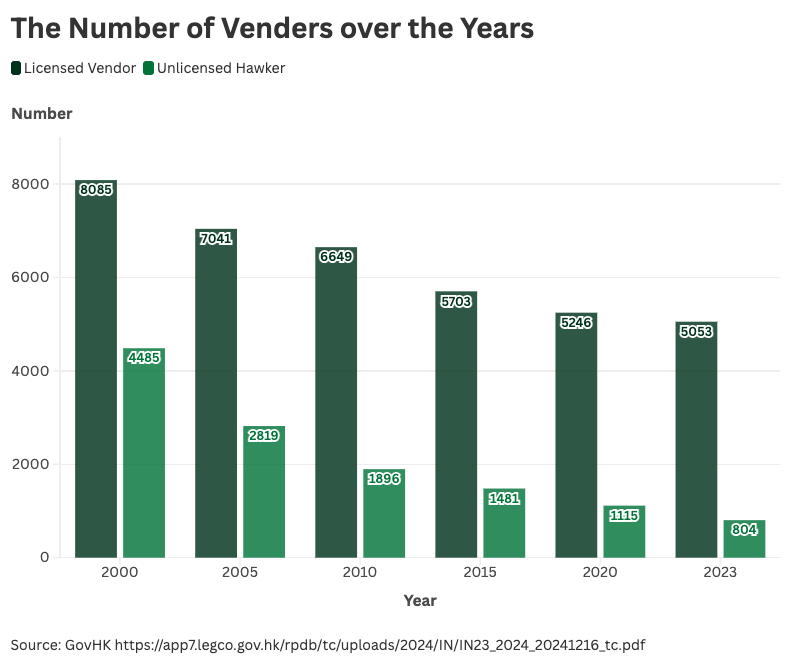
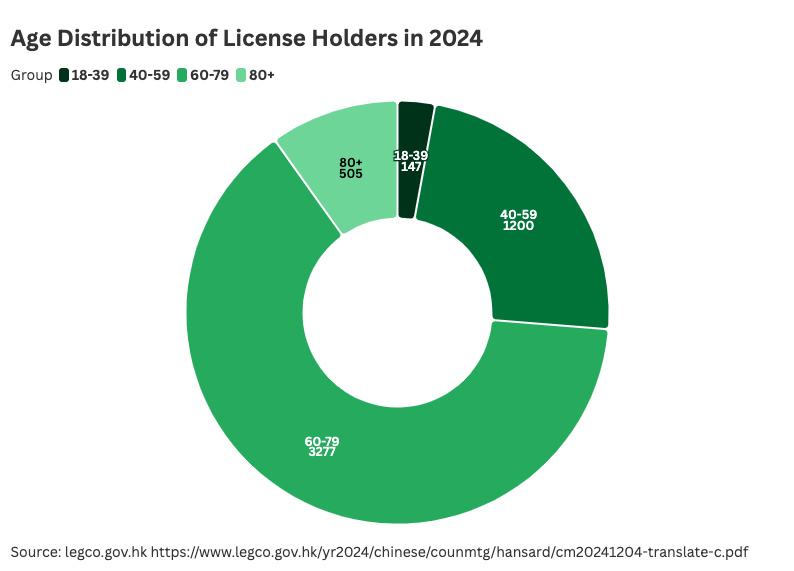
Entering the 21st century, due to the development of malls and online shopping, Pai-Tongs become less popular than before. On top of that, the government for some reason is halting to offer licenses, which makes the amount of those tiny green stalls decrease greatly. There are only about 5,100 certificated Pai-Tong owners in 2024, a quarter of its peak quantity.
Desolated, where is everybody?
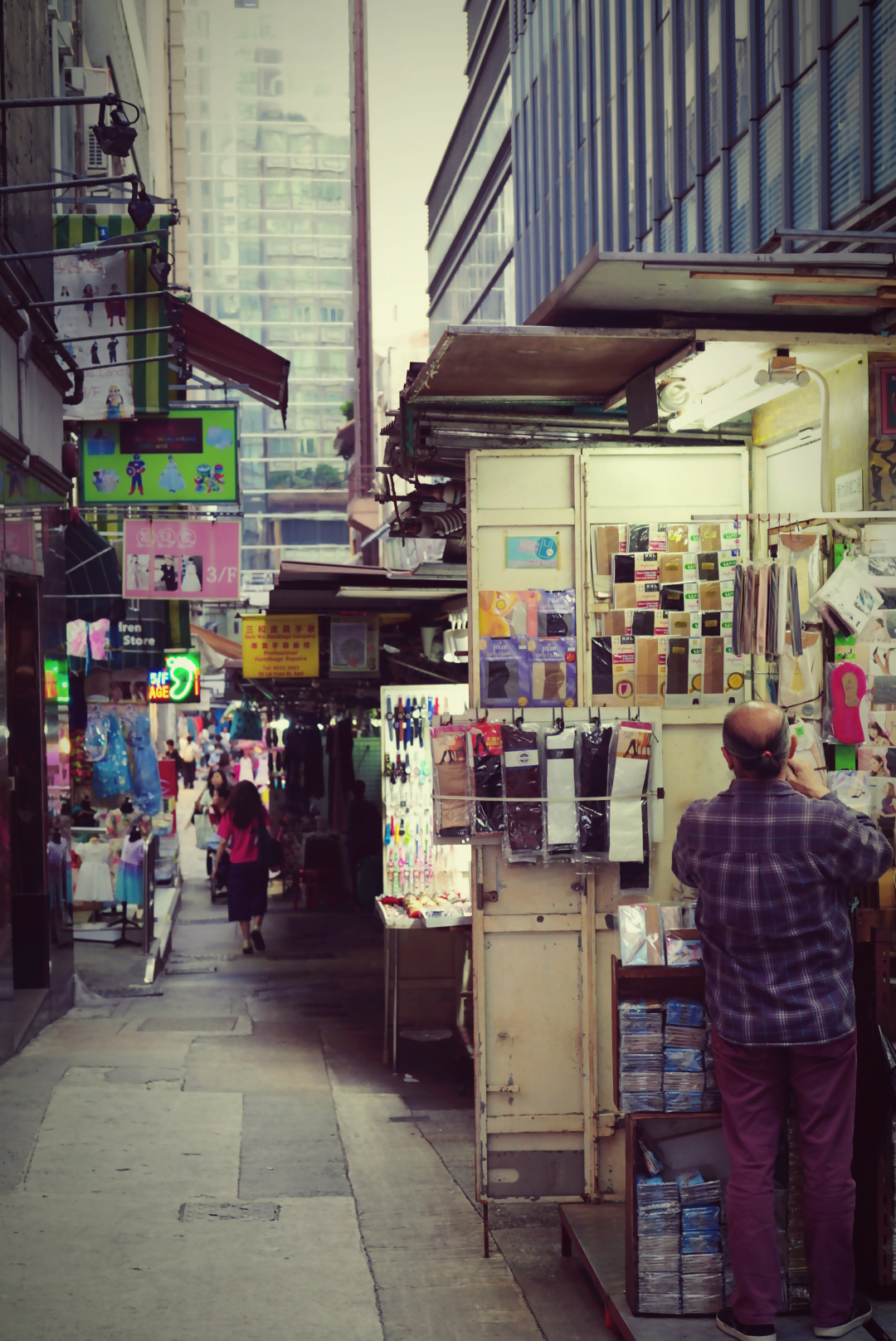
As dusk fell at six in the evening, throngs of commuters poured out of Central MTR Station, navigating the narrow paths between Pai-Tongs and storefronts along Li Yuen Street East. Under the cloak of night, twinkling lights flickered to lit up the shops, while casting shadows on the humble Pai-Tongs across the way.
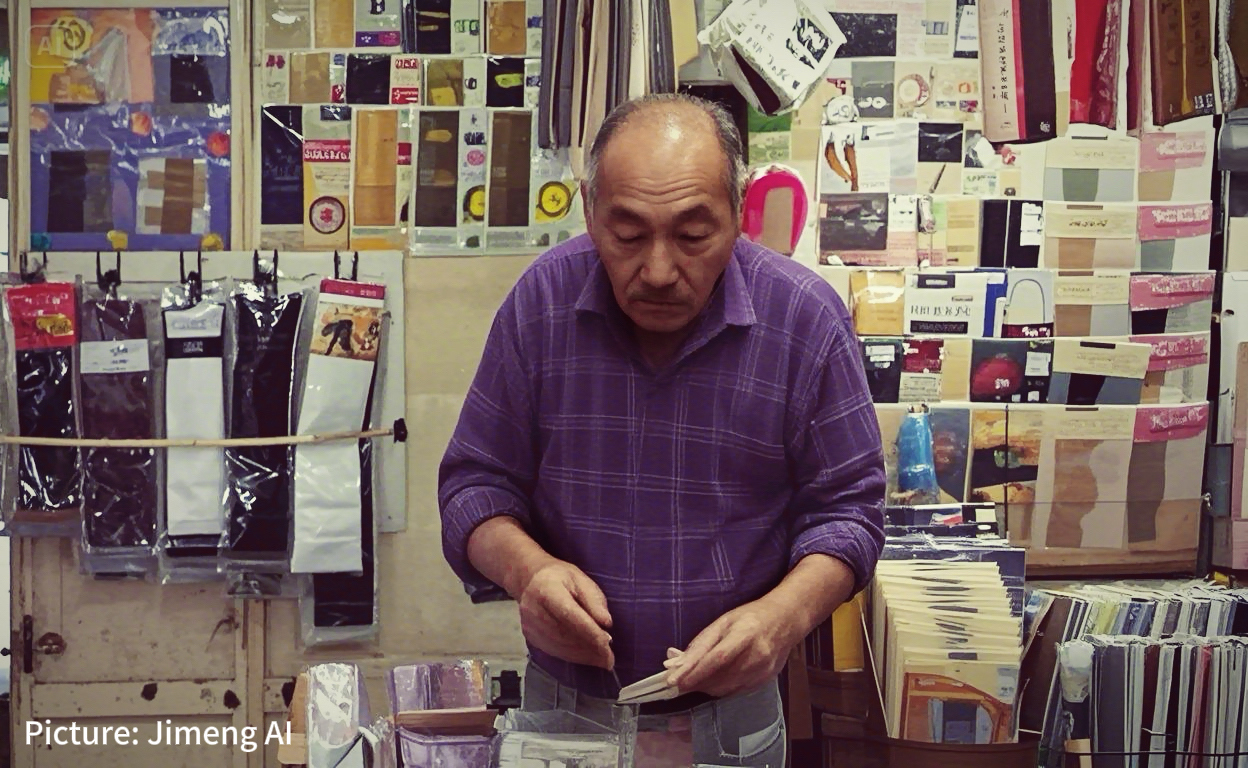
Lee Jun-meng rose slowly from his wood stool, straightened up the socks on the shelf a bit, though they are orderly enough already. He inherits this Pai-Tong from his mother around 40 years ago at his 30s, selling “Dry Goods” (usually means non-edible goods).
Bygone Splendor, sweet memories!
Setting up stalls has always been a crucial pocketbook of proletarians. It provides an approach for uneducated people to make their livings with low cost. On the other hand, goods from stalls are usually affordable for most citizens, which has established a benign economic system among low-income groups or some people who are trying to reduce their living costs. Pai-Tong, due to its characteristics mentioned earlier, then become the synthesizer of stalls.
Tung Choi Street and Temple Street are iconic hubs of Hong Kong’s Pai-Tong culture, densely packed with Pai-Tong and other stalls. The former is famed for its retail goods like clothing and accessories, while the latter thrives on sizzling street food and lively busking performances that draw both locals and tourists.
Meanwhile, Apliu Street in Sham Shui Po, stands as a “holyland” for electronics enthusiasts. Over 200 Pai-Tongs line the street, hawking everything from vintage camera accessories and retro audio equipment to tangled coils of cables.
At the heart of the street, Paul Chan has run his Pai-Tong for three decades, pivoting from repairing cassette players in the 1990s to offering smartphone screen-protector services today. “Gonna keep up with the times,” he chuckles, wiping down a display of glittery phone cases.
Trapped into dilemmas, so hard!
As consumer’s preferences shift, Pai-Tongs have lost much allure. Compounded by tightened management policies to stalls, licensed hawkers plummeted by 38%—from 8,150 in 2000 to 5,053 in 2023, according to data from the Legislative Council Secretariat’s Research Office.
Lee has a clear understanding on the reason that Pai-Tong’s business is nearing its end.
On the one hand, shopping malls and online shopping provides consumers with direct approaches to purchase from the brands and factories so that there is no middleman between them. The Pai-Tongs, however, are exactly one of the middlemen.
On the other hand, before Hong Kong’s handover in 1997, the city played as a transfer station between the factories in China and shops in Southeastern Asia. There were a group of Southeastern Asia businessman called “Shui Ke” (can be understood as legal smugglers) that wholesale mainland products from Hong Kong and sell them back in regions like Singapore.
Government’s actions? Come on!
The government’s ambiguous stance on Pai-Tong licensing has created significant hurdles for both license holders and shopkeepers striving to sustain their street stalls.
Since halting new license issuances in the 1970s, authorities have permitted a one-time inheritance of existing permits—a concession that barely masks their reluctance to preserve this fading relic of Hong Kong’s commercial heritage.
Finale? The end of a generation!
“We always buy SIM cards here, it’s cheaper than all operators’ service halls,” said chan, a madam in her 50s, who specially came from Sha Tin to Sham Shui Po. “Taobao? I can’t figure it out.”
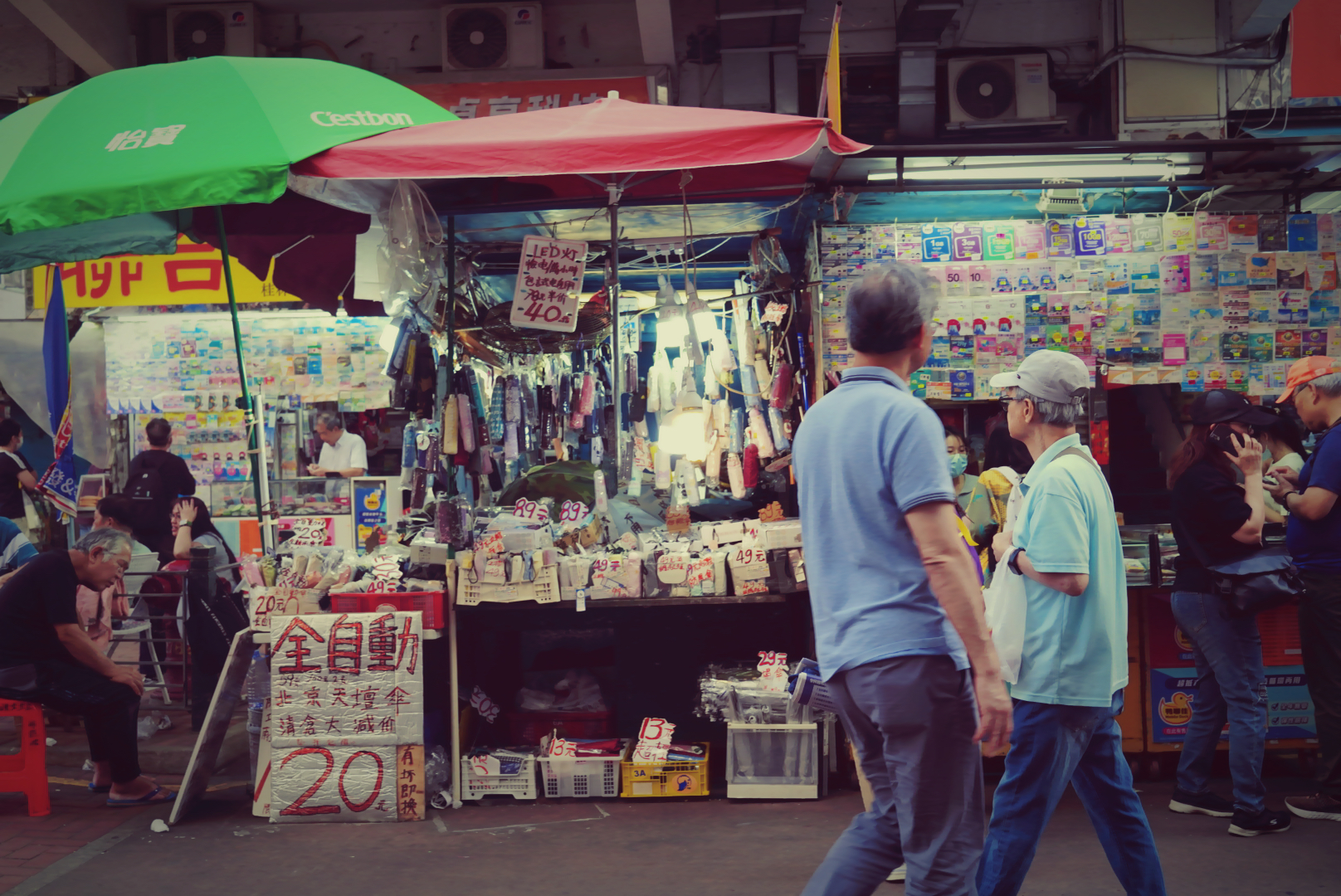
In Sham Shui Po, there are still crowds in front of some Pai-Tongs. Same as the shop owners, most customers are silver-haired, peering through reading glasses as they are entwisting cash painstakingly from their worn wallets. Maybe they still have yet master the green or blue apps on their smartphones.
For now, Pai-Tong still hold value, at least for unambitious owners like Lee and old-school customers like Chan, who cling to these green steel stalls that crammed with odds and ends. Yet we have no idea if these living time capsules will vanish in decades, fading into history as this generation passes.
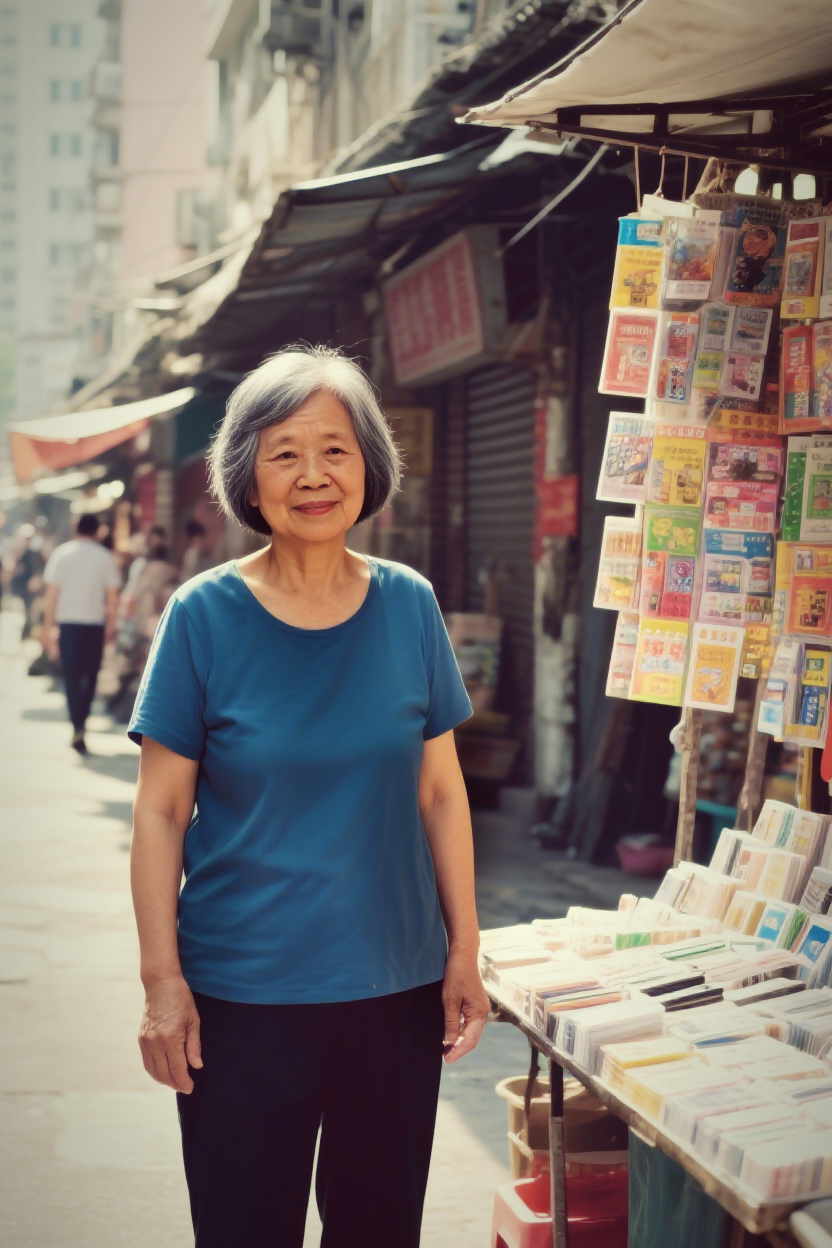
As Lee said, “The world is changing, there is nothing to say, and we can’t fix it.” In the past few decades, pai-dongs have always been the first choice for Hong Kong citizens to go shopping and consume. However, with the development of the city and the change of consumption patterns, they will eventually fall into the rolling dust of the wheel of history.
Some people cherish it, some people feel sorry for it, and some people get used to live without it. Perhaps in a few decades, these green boxes will lie quietly in the transparent glass cabinets of the museum, but the spirit of the workers who are passionate about life and work hard to run the business, and the street market memories they bring to generations of Hong Kong people, will not be forgotten.
But if you’re hunting for rare relics of Hong Kong and the planet, the Pai-Tongs are where you dig.
Author:
Vicky DU
Simmy XIE
Blake JING
Thomas CHEN
Robert WU
Data Source: HK Gov
Text:
Blake & Thomas
Decoration:
Vicky & Simmy & Robert
Picture Source:
HKU Library
Facebook Posts