
The Chase
Bruce Wang is one those young golfers
who are hyped by all the golf gear reels and pro’s “What’s in the Bag?”
He bought 3 sets of golf clubs within one year, spent over
$40,000 HKD.
He learnt about these gear information from social.
“Golf fitting” were never the words he take into consideration when he made his purchases.
“The are expensive they must work really well!”,
“This is the same driver Jon Rahm used.”
When he starts slicing in the middle of a round he would blame on his body, never the equipments he was using. His friends too, among eight of them only one of them really know and tried golf fitting.
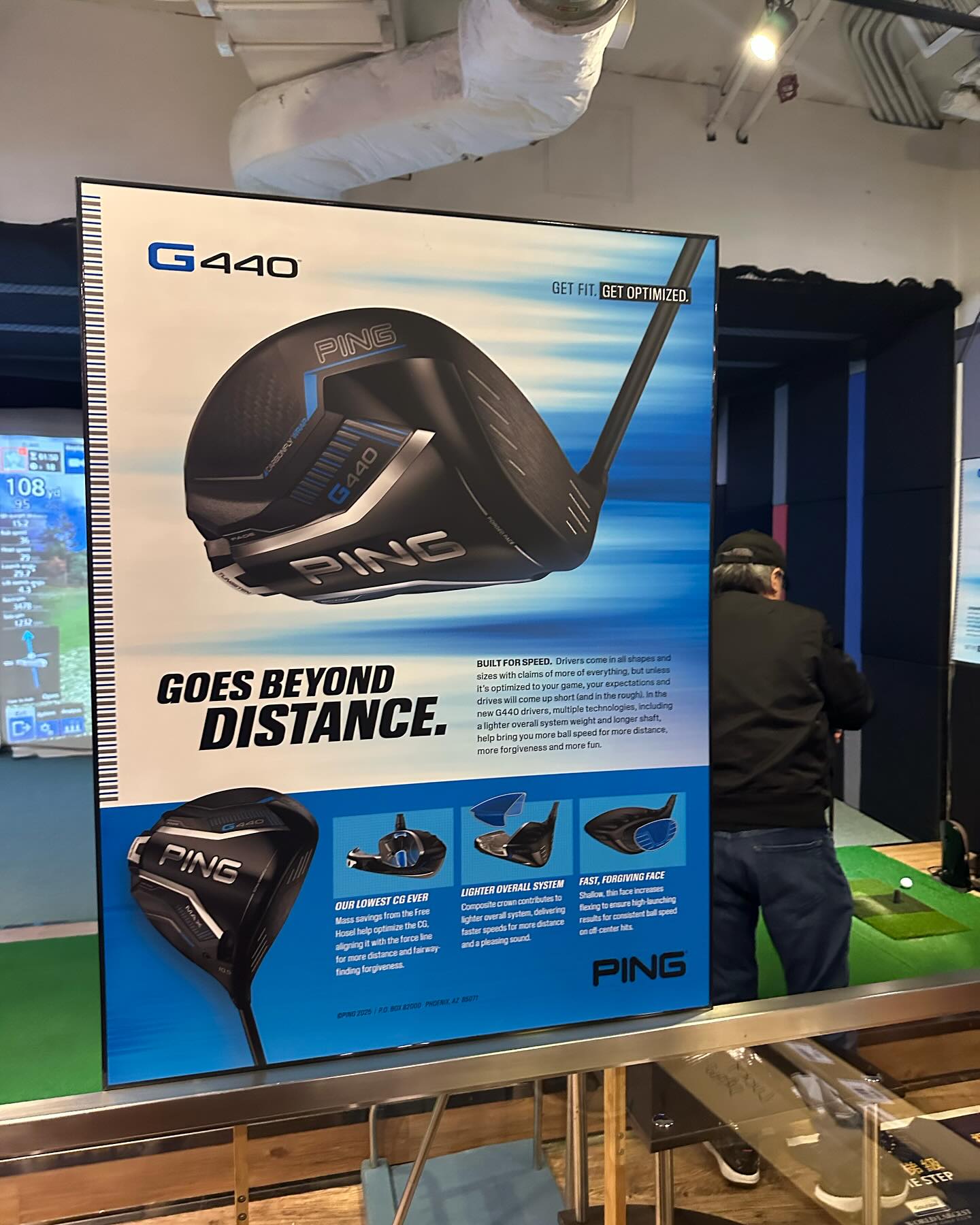
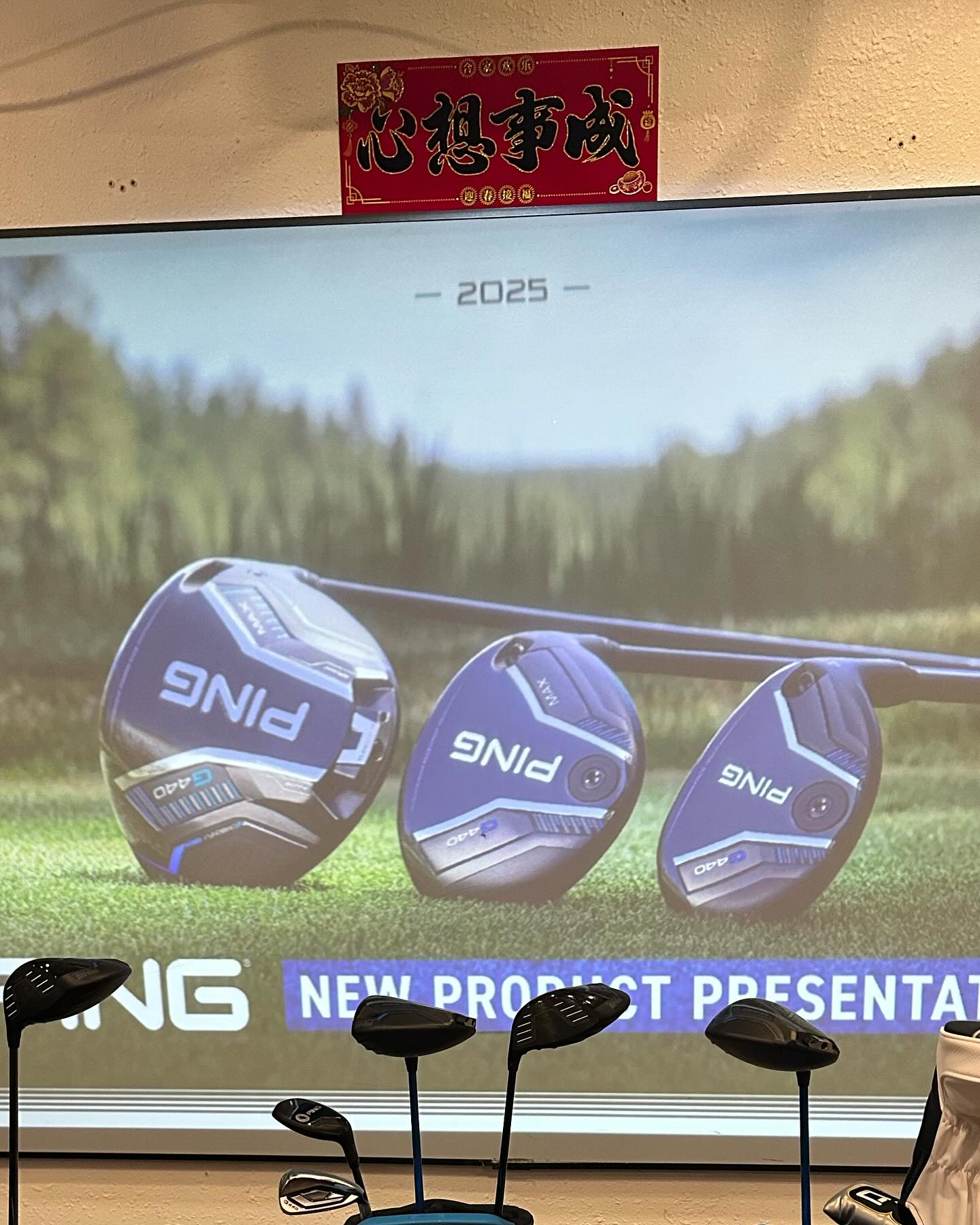
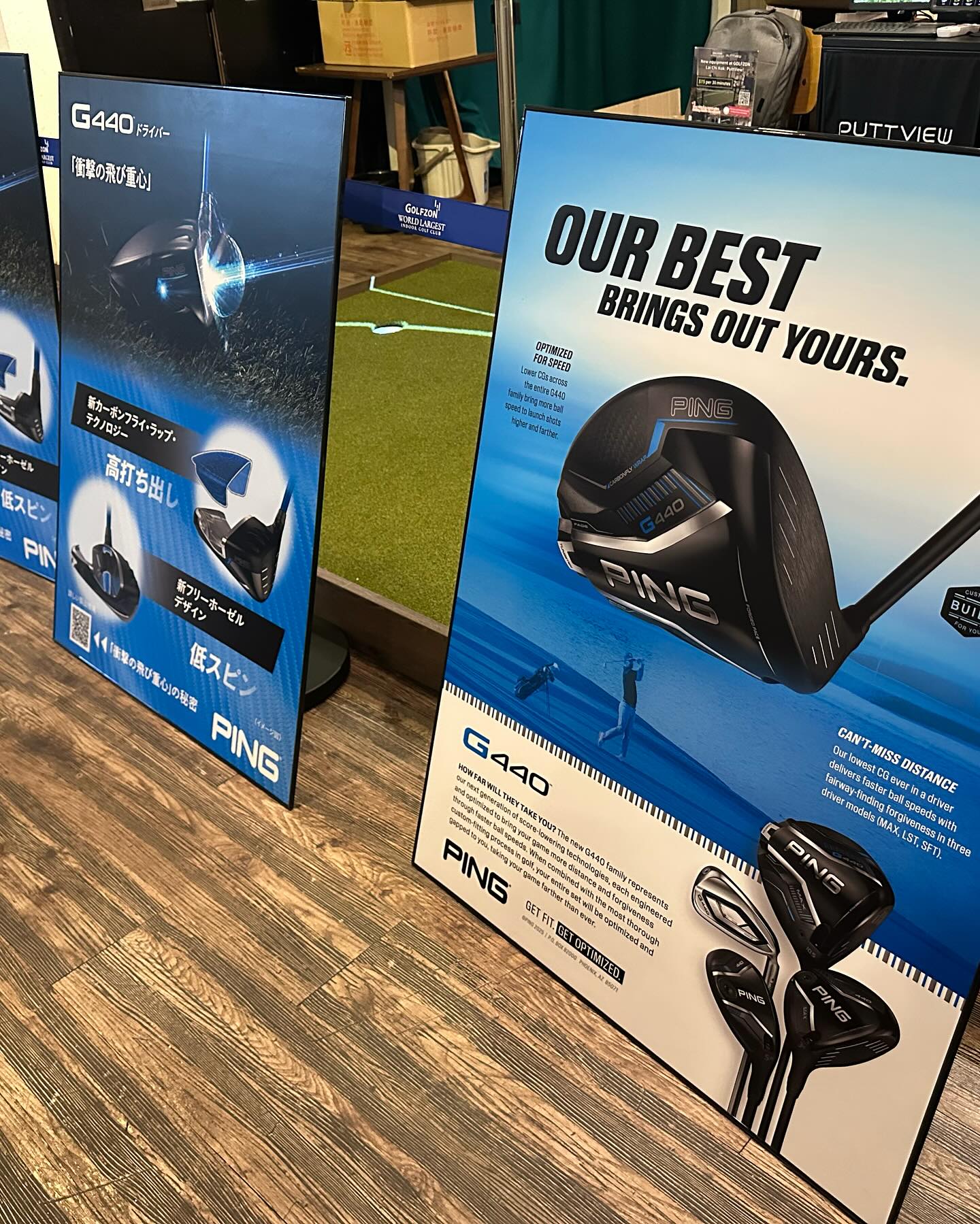
Super Golf is where Bruce find the hottest golf gears in town. Posters of PING’s new G440 drivers line on the shelves and simulators, the buzz is elsewhere. A clerk demoes, raving about its high strength titanium “sound” while skipping spin rates or hosel tweaks.
“We sell what’s hot,” he shrugs, nodding at teens swarming a gold Scotty Cameron. “If it’s on Instagram, it moves.”
Meanwhile, the G440—with its precision weighting and customizable loft—sits ignored, despite suiting actual golfers better than social media trophies.
The irony? Tech that suits gets overshadowed by tech that trends—even when it costs half as much.




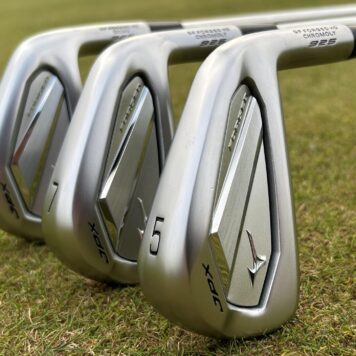
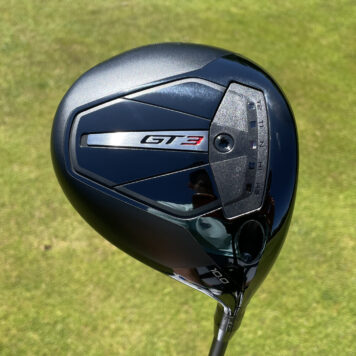
Golf in +852: the Growing Voices
Golf here isn’t just a sport—it’s social currency. With only 5 courses (4 private) for 7.5 million people, tee times are a luxury. The fairways of Shek O and Fanling are dotted with tycoons, influencers, and aspirational millennials chasing both birdies and clout. Since 2020, driving ranges like PGA Waterfall in Olympic City and SCAA have seen wait times triple. The Hong Kong Golf Association reports a 90% increase in casual players under 35 (2019).
But beneath the Instagram glamour (#HKgolf has 21.1k posts) lies dysfunction. Most new players, like Jefferson Chan enter the sport clueless about equipment. “Any club would work if you practiced enough,” he says.
His starter set? Grandpa’s old Callaway, free and at handy, which felt “like swinging a long lead pipe.” When he got his own set of club with a stealing price, a set of secondhand PING irons, he gained distance but lost consistency. “One day I feel fine, the next, everything’d slice. I blamed my grip, my stance—but I don’t think it’s ever my clubs problem.”

The science of club fitting is no secret in pro golf, such as Taichi Kho. Tour players tweak specs weekly—loft, lie, weight distribution—to match course conditions. For amateurs, studies suggest proper fitting can reduce handicap by 3–5 strokes, according to PGA coaches.
What’s Golf Fitting ?
Golf fitting, also known as club fitting, is a process where golf clubs are customized to match the specific needs and playing style of an individual golfer. This personalization is crucial because every golfer has unique physical attributes and swing characteristics. The goal of golf fitting is to enhance the player’s performance by ensuring their equipment is optimally suited to their body and swing.
During a typical golf fitting session, fitters focus on:
- Biomechanics: Examining how a golfer’s stance influences the angle of the golf club.
- Data Analysis: Utilizing technology to measure ball spin and trajectory to help correct issues such as slices.
- Psychology: Convincing golfers that problems like persistent slices can often be resolved with a simple shaft change.
Check out the data display of the screen during a golf fitting session, if you want to understand what are the numbers mean, please click each interactive buttons to learn more.
The Fixer
Jefferson Chan isn’t alone in his skepticism. At Tour Fitting Golf (TFG) in Wong Chuk Hang, the team faces a paradox: Hong Kong’s golf boom has created a market hungry for better performance, yet resistant to the very service that could deliver it.