
Hong Kong has been swept by panda fever since February, when the twin cubs of long-time residents Ying Ying and Le Le made their public debut. In September 2024, two more giant pandas, An An and Ke Ke, arrived as a gift from Beijing. With three panda pairs now at Ocean Park, the attraction has seen a surge in visitors and revenue, reaching a five-year high.
The excitement surrounding these pandas has gone beyond the park—hotel prices have soared, panda-themed merchandise has sold out, and panda-inspired food has become a social media sensation. The arrival of the twin cubs has not only boosted tourism but has also further embedded pandas into Hong Kong’s cultural fabric.
Six giant pandas living in Hong Kong
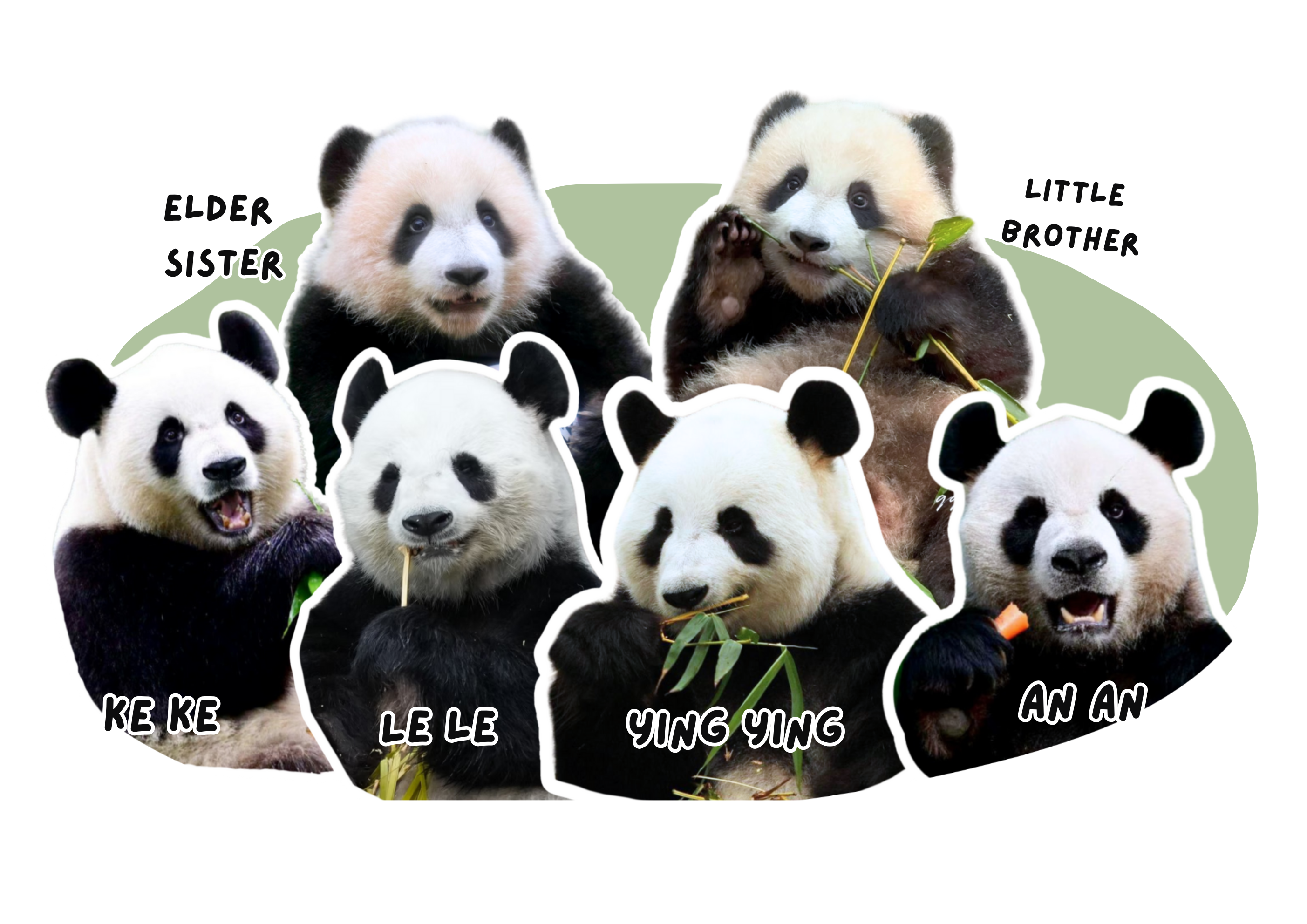
This story will explore the multiple roles pandas play in Hong Kong. How have they influenced local culture, shaping new urban symbols and collective memories? How have they contributed to the city’s economy by driving tourism and consumer spending? What does the presence of these national treasures reveal about the evolving relationship between Hong Kong and mainland China?
Sarah Lam still remembers the first time she saw a giant panda in Hong Kong as a child—holding her father’s hand, eyes wide with wonder. More than two decades later, she returned to Ocean Park last weekend, this time with her niece, to see the newly debuted twin cubs.
“It feels like reliving a part of my childhood,” Sarah said, standing in front of the panda enclosure, phone in hand, trying to capture the moment as one of the cubs tumbled down a log. “Pandas have always felt like part of Hong Kong’s story—something we can all share and feel joyful about.”
To keep up with the growing panda fever, Ocean Park has rolled out a range of panda-themed merchandise—from plush toys and stationery to limited-edition snacks. The park has also introduced a series of interactive programs, including hands-on workshops, behind-the-scenes tours, and educational talks focused on panda conservation.
Ocean Park has launched a fan club for Hong Kong’s first locally born panda cubs. Members will have priority booking access for programmes and workshops, such as those for making paper from panda excrement and preparing steamed cornbread for the bears.
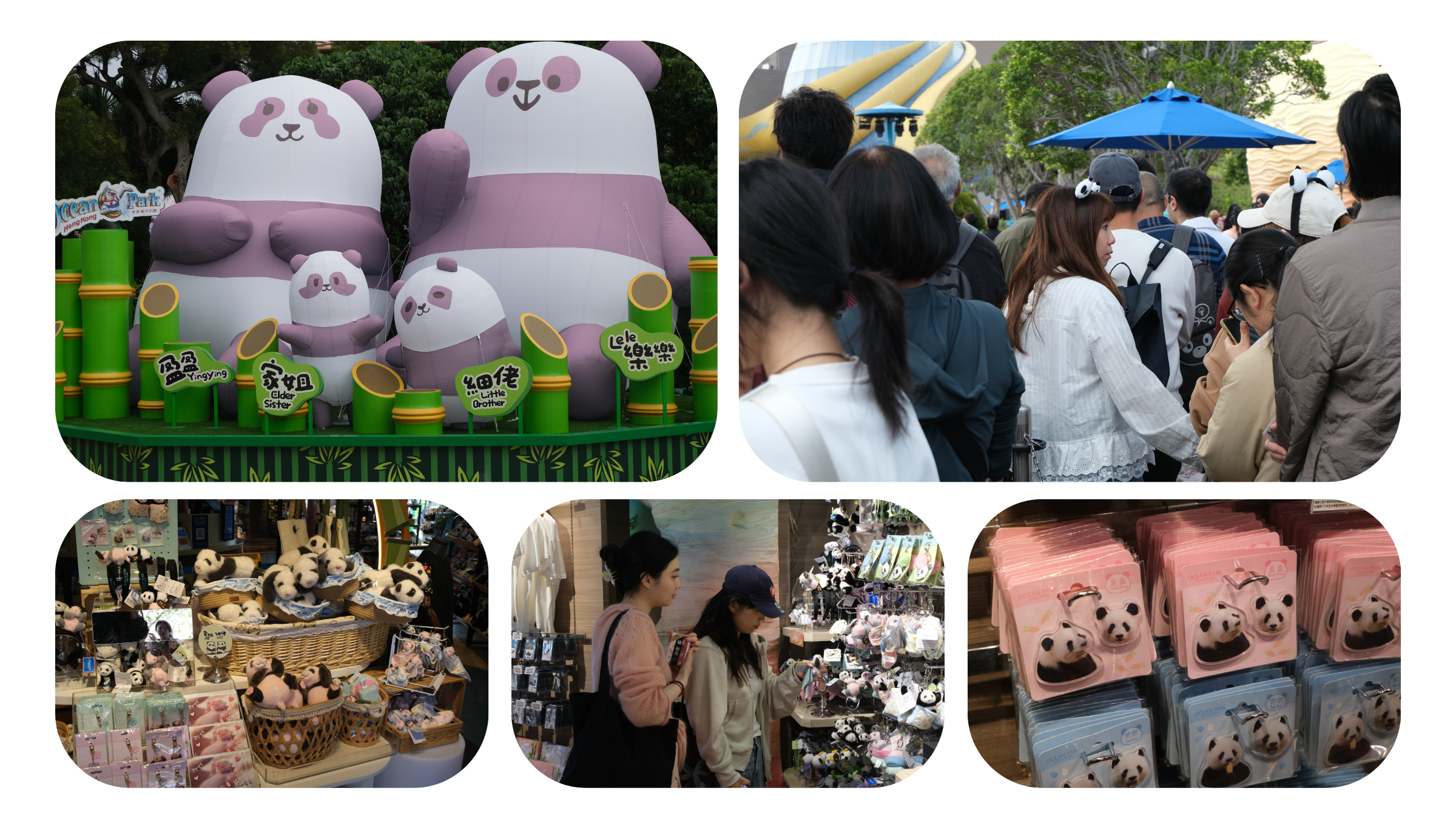
These initiatives have attracted not only families with young children but also panda lovers of all ages. We spoke with the organizers to learn more about the goals behind these programs—and how they’re helping shape a renewed panda culture in Hong Kong.
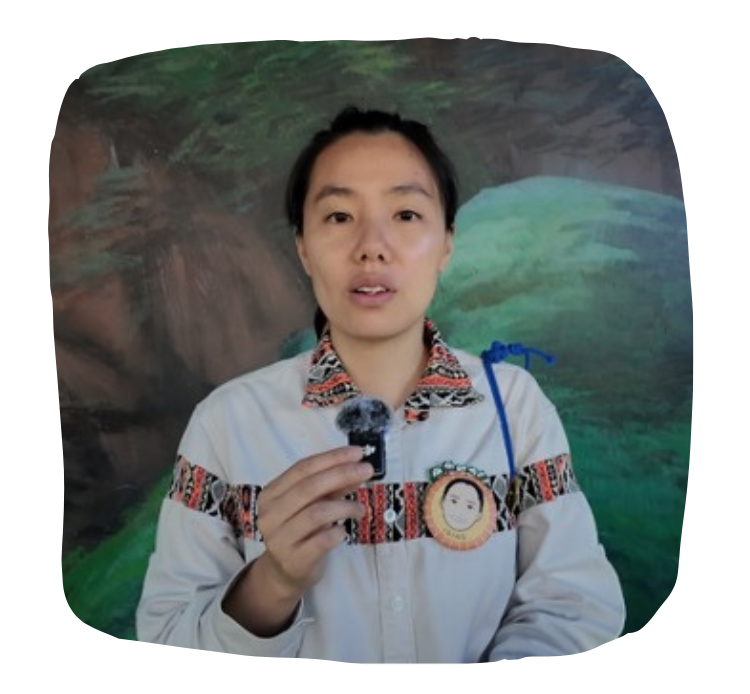

“We aim to promote panda conservation efforts, enabling visitors to gain a deeper understanding of pandas’ habits and challenges, while inspiring people to take action in their daily lives.”
At 10 a.m. on April 5, a family of three panda lovers from Hong Kong – Jennifer Yeung and her parents – were already at the entrance of Whiskers Village Activity Centre, excited to join a panda poop papermaking activity.
At 11 a.m., under the guidance of professional instructors, Jennifer and her parents started a series of steps: mixing panda poop with paper pulp, pouring the mixture into molds and spreading it evenly, and finally carefully drying the wet paper sheets. “This activity was so interesting,” Jennifer shared. “We get to experience making recycled paper from giant panda poop firsthand and learn about their dietary habits by observing panda droppings.”
Hong Kong is using the universal charm of pandas to attract tourists from around the globe. Last year, the government allocated HK$210 million to enhance facilities at Ocean Park, including the addition of a new interactive exhibition zone for the beloved panda twins.
Beyond infrastructure improvements, the city is embracing panda-themed attractions in various sectors—hotels, restaurants, and entertainment venue. Below is a map showcasing the variety of panda-themed delicacies available in different restaurants across the city.
Now, you can see pandas almost everywhere in the city! Apart from the Ocean Park, the city is also decorated with hidden panda-themed landmarks waiting to be explored.
At Admiralty MTR Station, adorable panda-themed decorations catch everyone’s eye. Over at the Central Post Office, a special panda-themed mailbox has become a popular photo spot, with visitors lining up to send postcards stamped with panda souvenirs.
To gain deeper insights into the panda-themed merchandise available at Ocean Park, we interviewed Steven Cheung, a cashier at the park’s panda retail store. Cheung shared his observations on the increasing demand and items customers are eager to purchase.


“The pandacraze is still going strong in the park and throughout Hong Kong. Everyone can feel the joyful atmosphere that the pandas bring, which is why so many people are buying panda-themed products. Additionally, since the arrival of our panda twins, the demand for panda merchandise has grown even stronger.”
As Hong Kong continues to embrace the panda phenomenon, Ocean Park’s retail store stands as a testament to the growing enthusiasm for panda-themed merchandise. With a wide array of products and an ever-increasing demand, it’s clear that pandas are more than just adorable animals—they’ve become a cherished symbol of the city’s tourism and cultural identity.
But is the political expectations behind pandas the principal attribute of these animals? What do pandas exactly mean in Hong Kong? We spoke with Brian Rhoads to see the reason.
To a certain extent, pandas undertake the political mission as a cultural “envoy”. In domestic areas, pandas are more likely to represent national unity, intertwining with the concept of “One Country, Two Systems”. The first and second batches of pandas were to celebrate the 2th and 10th anniversary of Hong Kong’s return separately, while the third batch was to celebrate the founding of CPC.
Hong Kong’s economy is heavily attacked and struggling after the pandemic. Brian said that the two more pandas gifted in 2024 can be interpreted as “a nice gesture to support Hong Kong and its people in time of team and sort of spur tourism ideally and travel and visitors to come to Hong Kong”.
Panda diplomacy isn’t something new. Since the 1950s, China has gifted 23 giant pandas to 9 countries as symbols of peace and friendship. But this policy officially ended in 1982. Today, most pandas living overseas are on limited-time loans, not permanent gifts. Only Hong Kong, Macau, and Taiwan have received pandas as official presents
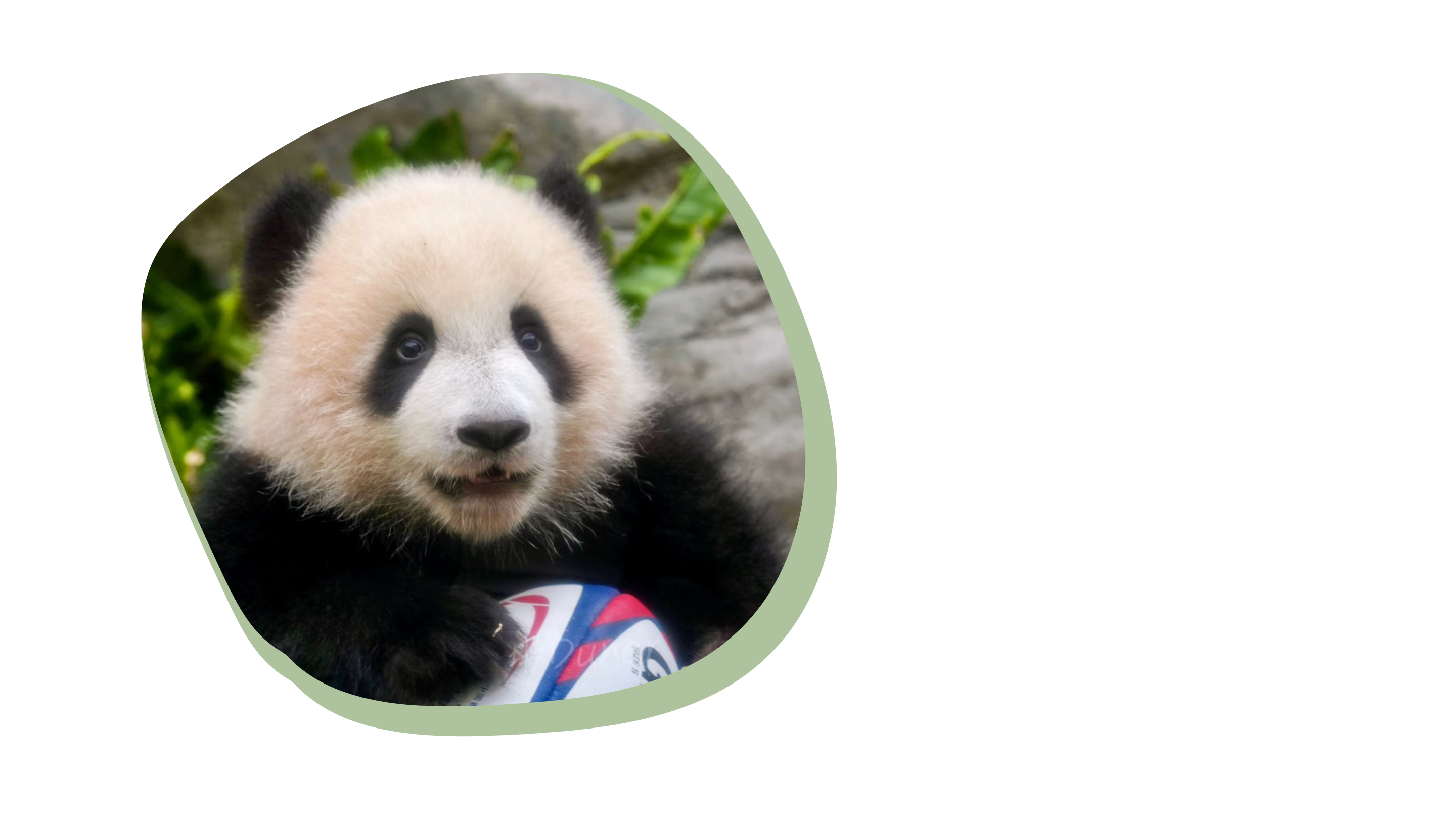
Now, Hong Kong is celebrating a historic milestone with the arrival of its first locally-born panda twins! These charming new residents aren’t from the mainland—they’re true Hong Kongers through and through. With their striking resemblance to each other, we’ve prepared a fun challenge for you: can you spot the differences and tell them apart?
Pandas represent a spiritual connection of the same culture and the attention and support of the central government for Hong Kong at present. Moving forward, Hong Kong should embrace its own signature symbol, presents the city as the “Pearl of the Orient.”
When you spot a giant panda munching bamboo in Hong Kong, know you’re witnessing more than a cute photo op. These black-and-white darlings are living bridges between our city and the Mainland, teaming up on research and conservation projects.
As crowds gather to watch them
pandas remind us that real connections
between people, places and culture
ABOUT THIS PROJECT
Website Planning: Daisy Wu
Head Video: Althea Chang
Original Photo & Video: Bayleigh Guo, Daisy Wu, Felice Liang
Chart: Daisy Wu
Visitors Interview: Althea Chang, Daisy Wu, Gabrielle Yu
Staff Interview: Bayleigh Guo, Felice Liang
Professor Interview: Gabrielle Yu
Video Editing: Althea Chang, Felice Liang
Audio Editing: Bayleigh Guo, Felice Liang, Gabrielle Yu
Interactive Elements: Daisy Wu, Felice Liang, Gabrielle Yu
Website design: Daisy Wu, Felice Liang, Althea Chang, Bayleigh Guo, Gabrielle Yu
DATA SOURCE
Ocean Park Official Data
https://www.oceanpark.com.hk/en/corporate-information/annual-report
ADDITIONAL PHOTO
Instagram @pandahk_official
https://www.instagram.com/pandahk_official?igsh=MTgwdXVpdjhqeHB5Yg==
ACKNOWLEDGEMENTS
Thanks to Advisor Foon Lee and the interviewees!
