
The Plunge in Rent Prices
Weak demand and a sluggish economy are directly reflected in the decline of rents. The commercial real estate market in Hong Kong has remained quiet for a long time. In the first quarter of 2024, there were 131 commercial property transactions, a sharp drop of 24% from the previous quarter. The total rental value during the same period was HKD 89 million, down 13% from the same period in 2023, and nearly 90% lower than the rental peak in 2015. This situation has actually created opportunities for more Hong Kong residents, especially young people, to open stores.
Countercurrent in the Wave of Closures
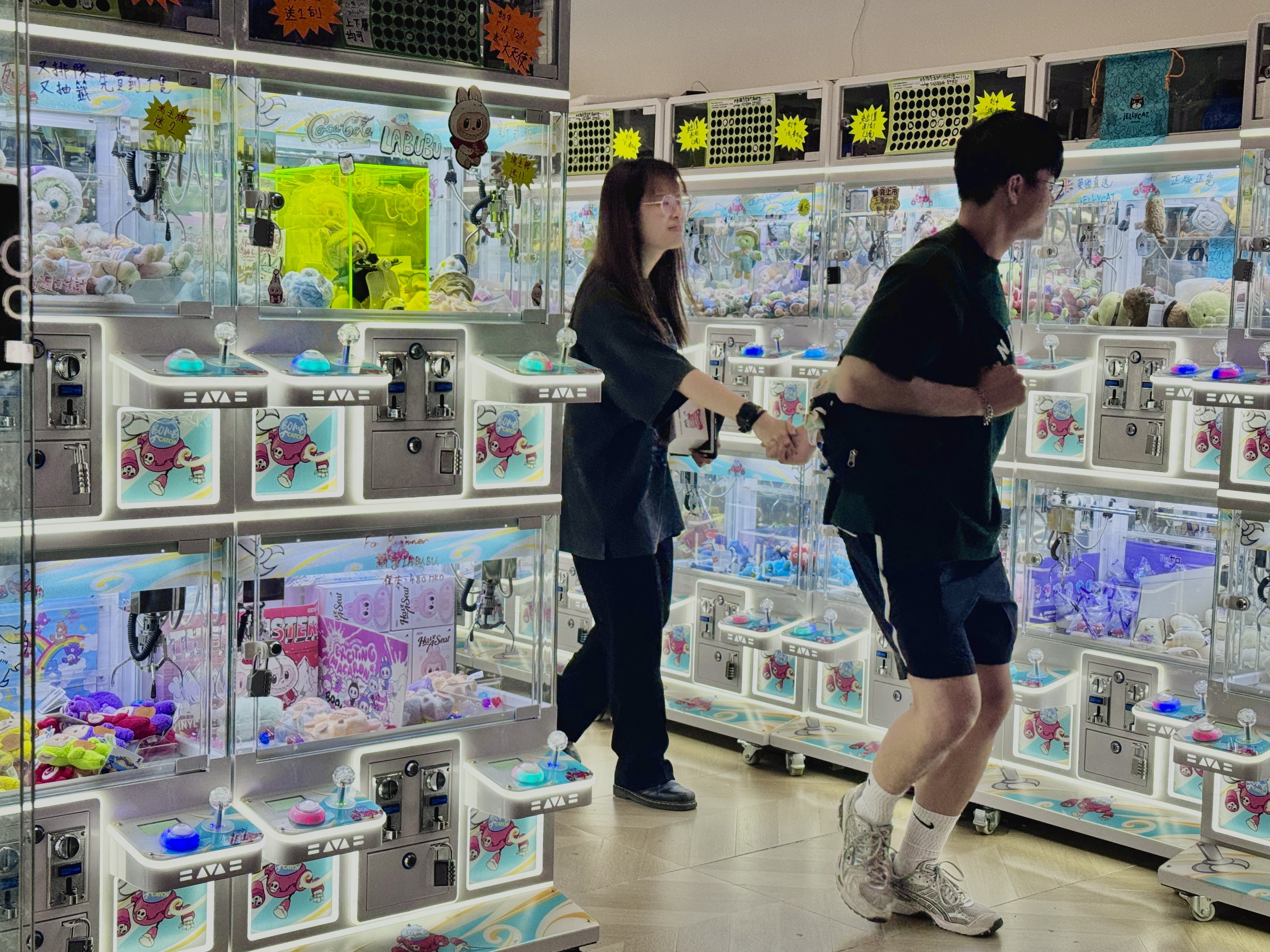
While many shops face a wave of closures, claw machine businesses have quietly and rapidly increased. This end-segment economy is characterized by low cost, low consumption, and low risk. Its surge often signals an overall economic downturn.
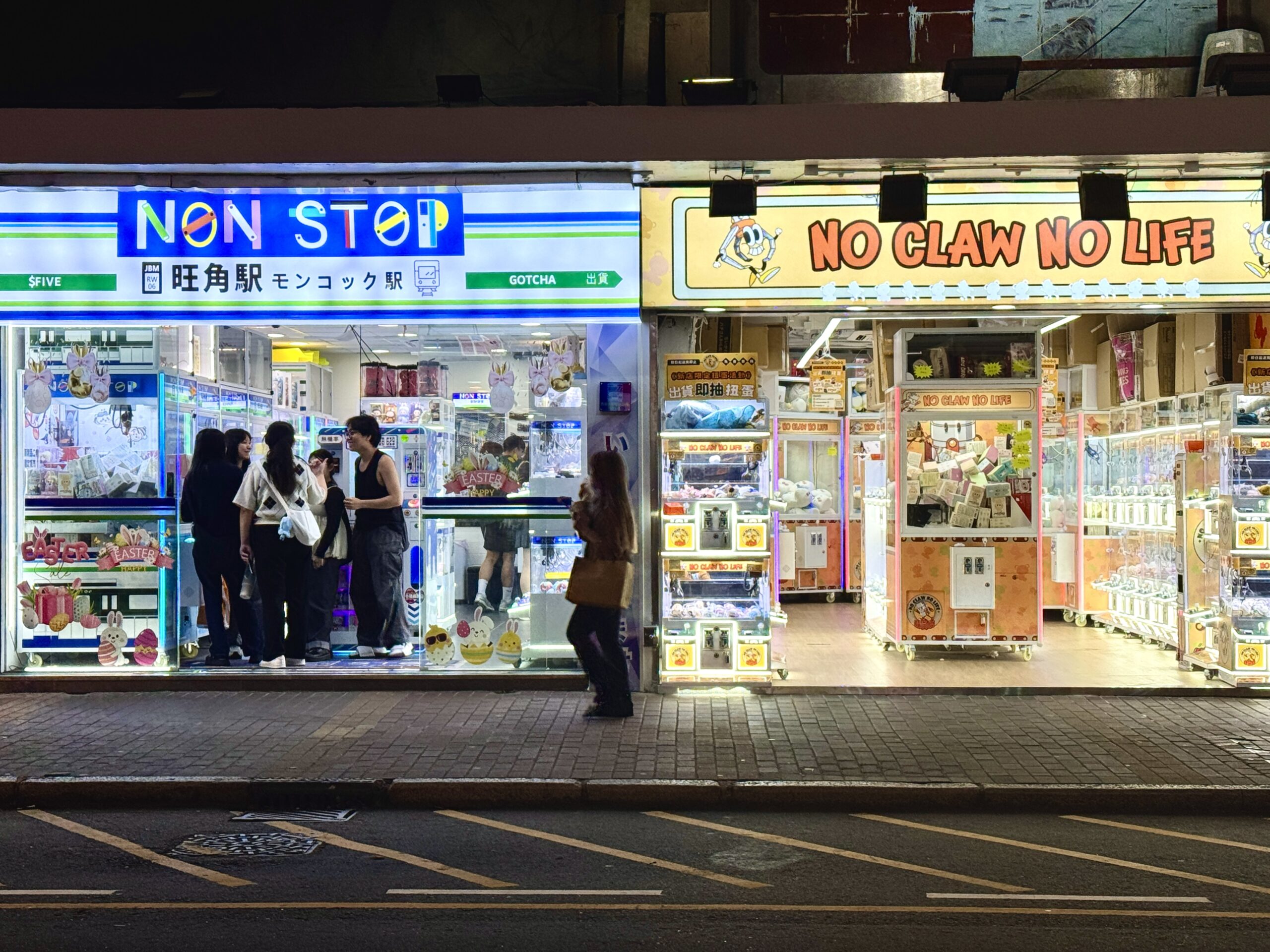
According to data from the property agency Midland Realty, as of the end of March 2024, there were 29 claw machine shops in Hong Kong’s most expensive shopping districts (Central, Tsim Sha Tsui, Causeway Bay, and Mong Kok), a significant increase from 15 in 2022 and 9 in 2021. Even in malls without shops, single claw machines are often seen in corners.
Many of these claw machine shops rent on short-term leases because landlords are unwilling to significantly reduce rents, and tenants generally cannot afford the risks and costs of long-term leases.
The Shift in Consumer Spending
On the consumer side, although mainland tourists continue to flock to Hong Kong for travel and shopping, the depreciation of the Renminbi and the economic downturn in mainland China have changed some mainland consumers’ tendency for big spending. In their eyes, Hong Kong’s “consumption attribute” seems to be gradually losing out to its “investment attribute.” They are more inclined to convert their money into Hong Kong dollars, which are pegged to the US dollar, and deposit it into high-yield savings accounts or insurance products. Regarding travel-related spending, some have shifted from luxury goods to low-cost items such as claw machines, allowing this industry to grow counter-cyclically. The trend of Hong Kong residents traveling north reflects their pursuit of cheaper consumption and experiences, which also contributes to this phenomenon.
Pan Chi-ming, Managing Director of Centaline Property Agency, bluntly stated: “The more claw machine shops there are, the more it reflects the worsening economic situation.”
In 2014, Hong Kong’s retail sector flourished, reaching a value of HKD 4,932.36 million. Although it experienced fluctuations afterward, the overall trend remained relatively stable. Starting in 2019, the retail industry entered a downward phase, hitting a low point in 2020 at HKD 3,264.51 million, a year-on-year decline of 24.3%. During this period, social unrest and the COVID-19 pandemic heavily impacted the retail market. Despite signs of recovery in 2023, retail sales declined again last year, indicating that Hong Kong’s economic recovery still faces significant challenges.
(Source: Census and Statistics Department)
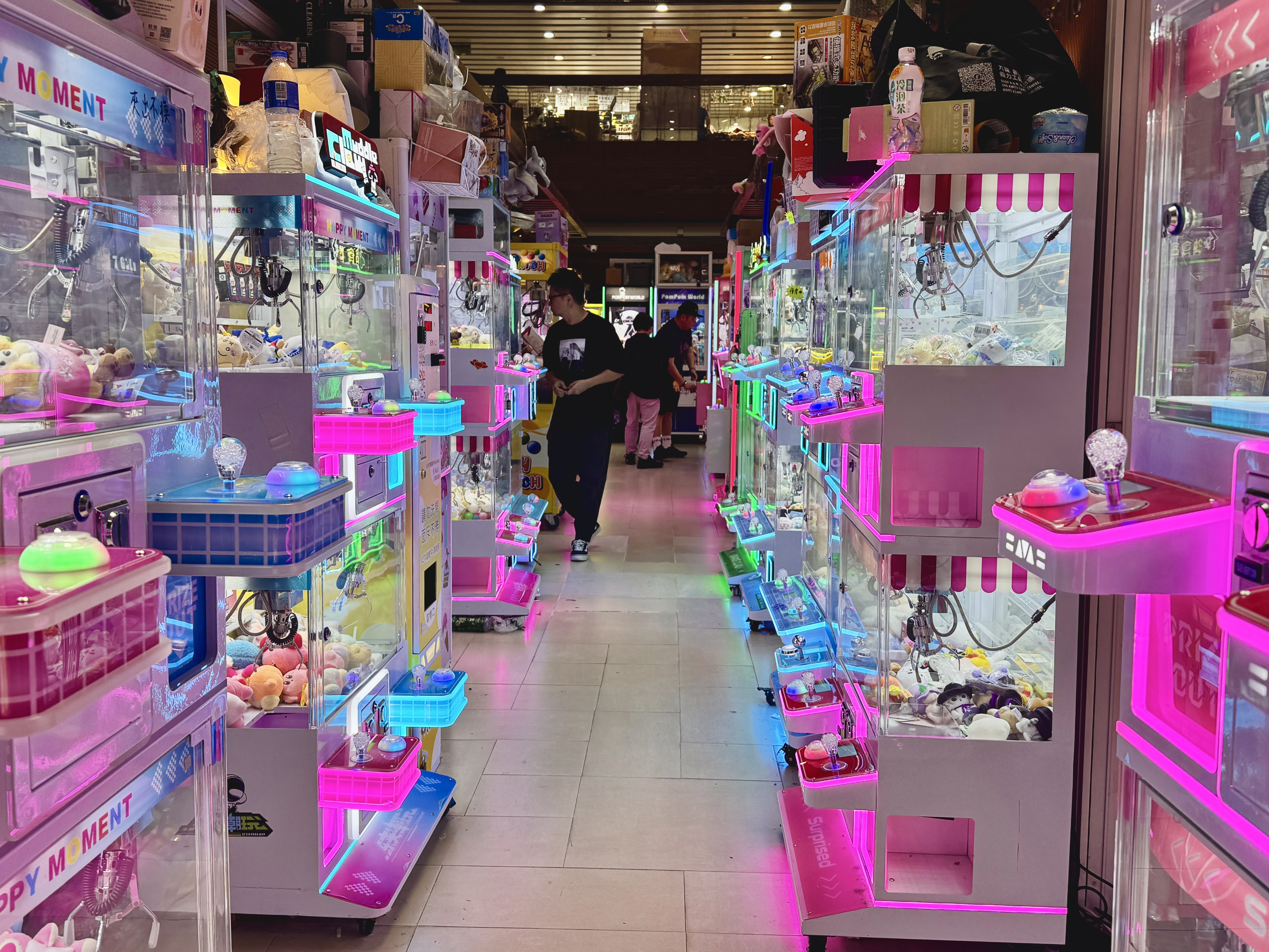
Multiple commercial districts in Hong Kong, especially traditional large shopping malls, have become hubs for claw machine arcades. Places like West Kowloon Centre, Causeway Bay, and Kwai Chung Plaza host numerous shops with a wide variety of brands and IPs, as well as abundant machines, attracting many local players and tourists. Benefiting from convenient transportation and affordable rents, and with many operators actively promoting on social media platforms such as Instagram, Xiaohongshu, and Facebook, these areas have evolved into popular hotspots for claw machine enthusiasts.
Hooked on Claws
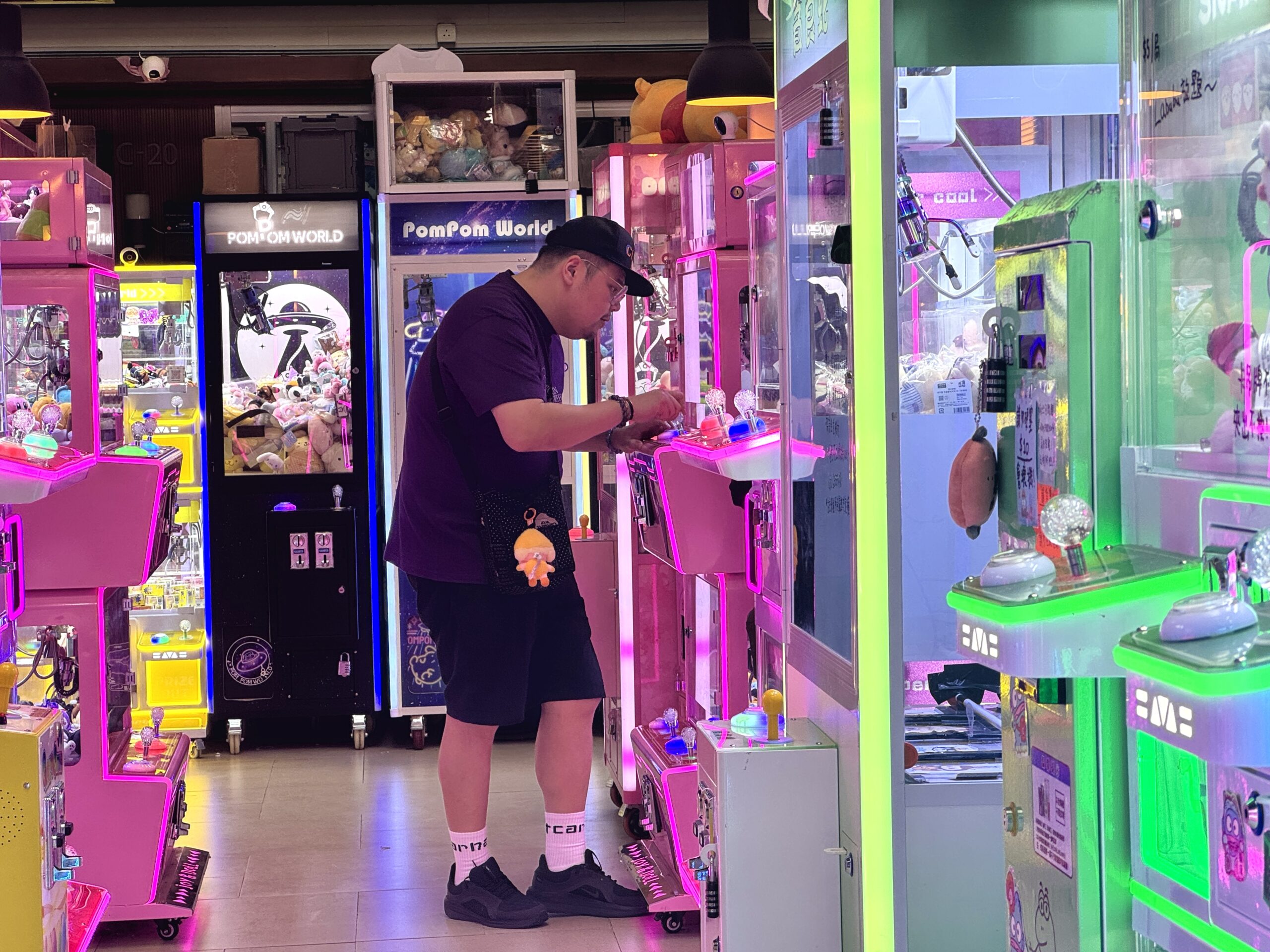
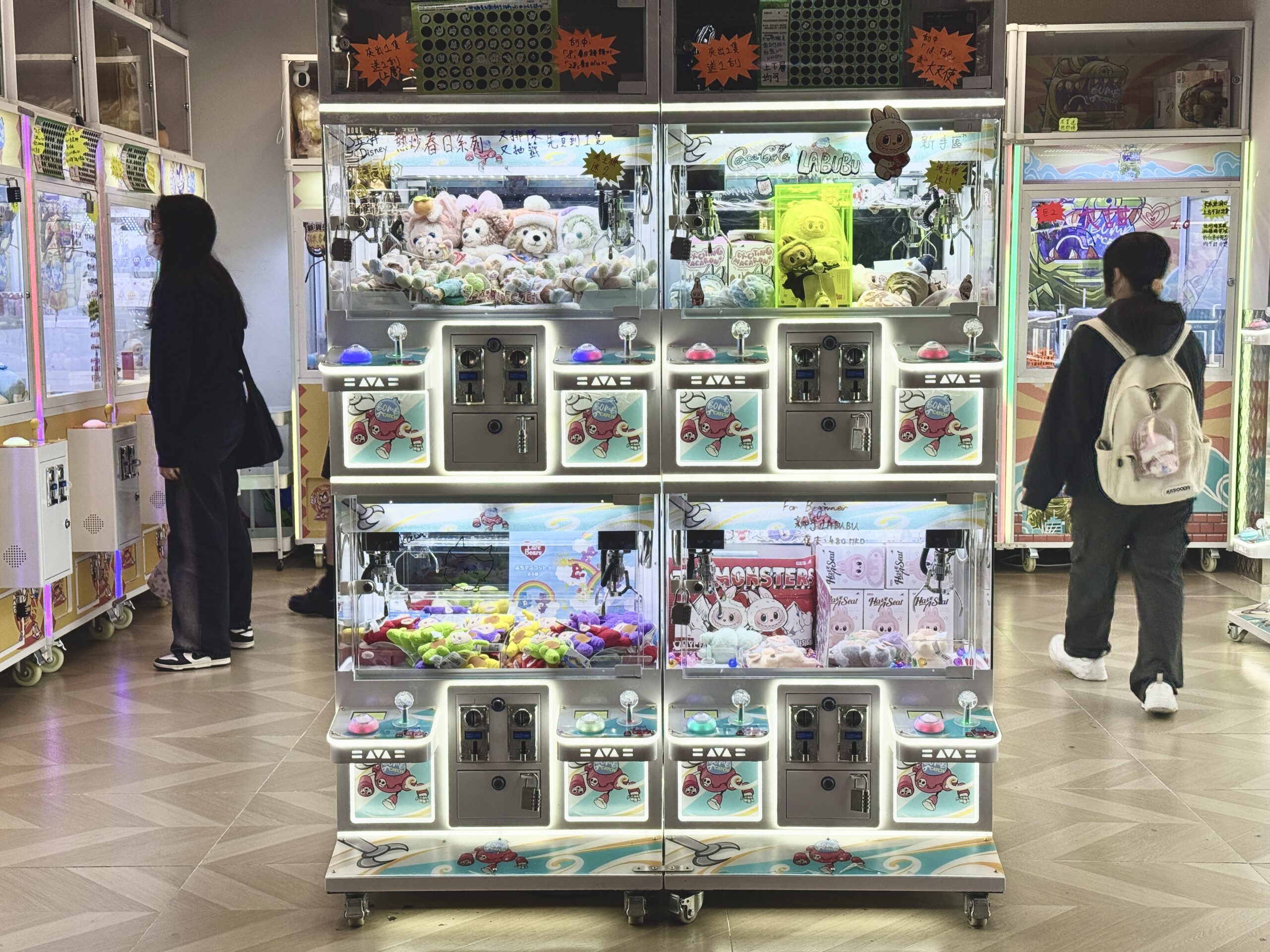
Most of our interviewees were from mainland China, and in terms of why they chose to play claw machines in Hong Kong, every player emphasized the allure of “authentic dolls” worth hundreds of dollars—a key difference from the cheap, often counterfeit prizes in mainland machines. Players target specific IP-themed dolls (e.g., Disney characters or Labubu) and view spending HK$5 per attempt to win high-value prizes as a bargain. Moreover, Amy Li also shared an experience where she received compensation after reporting a non-authentic doll she won in Hong Kong, reinforcing trust in the city’s claw machine authenticity.
"Why keep playing claw machines?"
"Why play claw machines in Hong Kong?"
However, their actual experiences varied
“After leaving, I thought to myself and started to feel that something was not right. I suspect that person might have been a shop assistant or the owner. He probably said that deliberately to us tourists.”
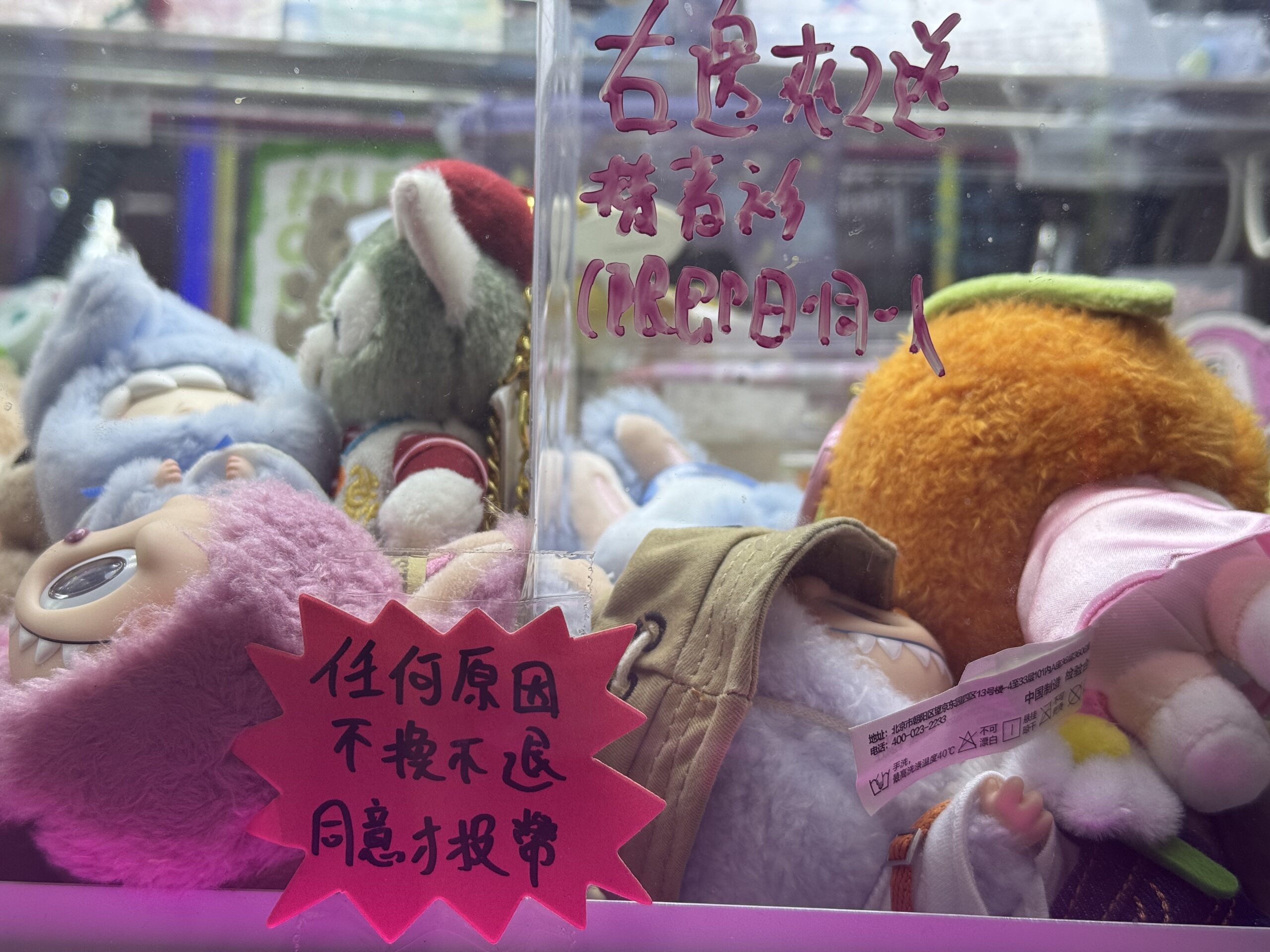
“I did not have a particularly good experience. I remember vividly that I had spent a considerable amount of money, and the plush toy was practically teetering on the edge of the hole. However, I wanted to ask the staff if they could adjust its position or whether it already counted as a successful grab. But since I could not find any way to contact the staff, it felt like I was forced to suffer in silence.”

Surviving in Luck
Last year, she accidentally saw an advertisement in a store recruiting machine hosts for claw machines, so she decided to rent a machine to “practice”. By this year, she has claw machines in operation in West Kowloon and Mong Kok. “The rent for each machine is about 6,000 Hong Kong dollars. The highest profit for each machine per month can reach around 5,000 to 10,000 Hong Kong dollars, and sometimes I even lose the rent,” said Amy.
At the peak of popularity last year, Amy had approximately dozens of machines across Hong Kong. However, this year, due to the sudden increase in the number of claw machines and fierce competition, she has already returned some of the rented machines, and currently, there are only six or seven machines in operation.
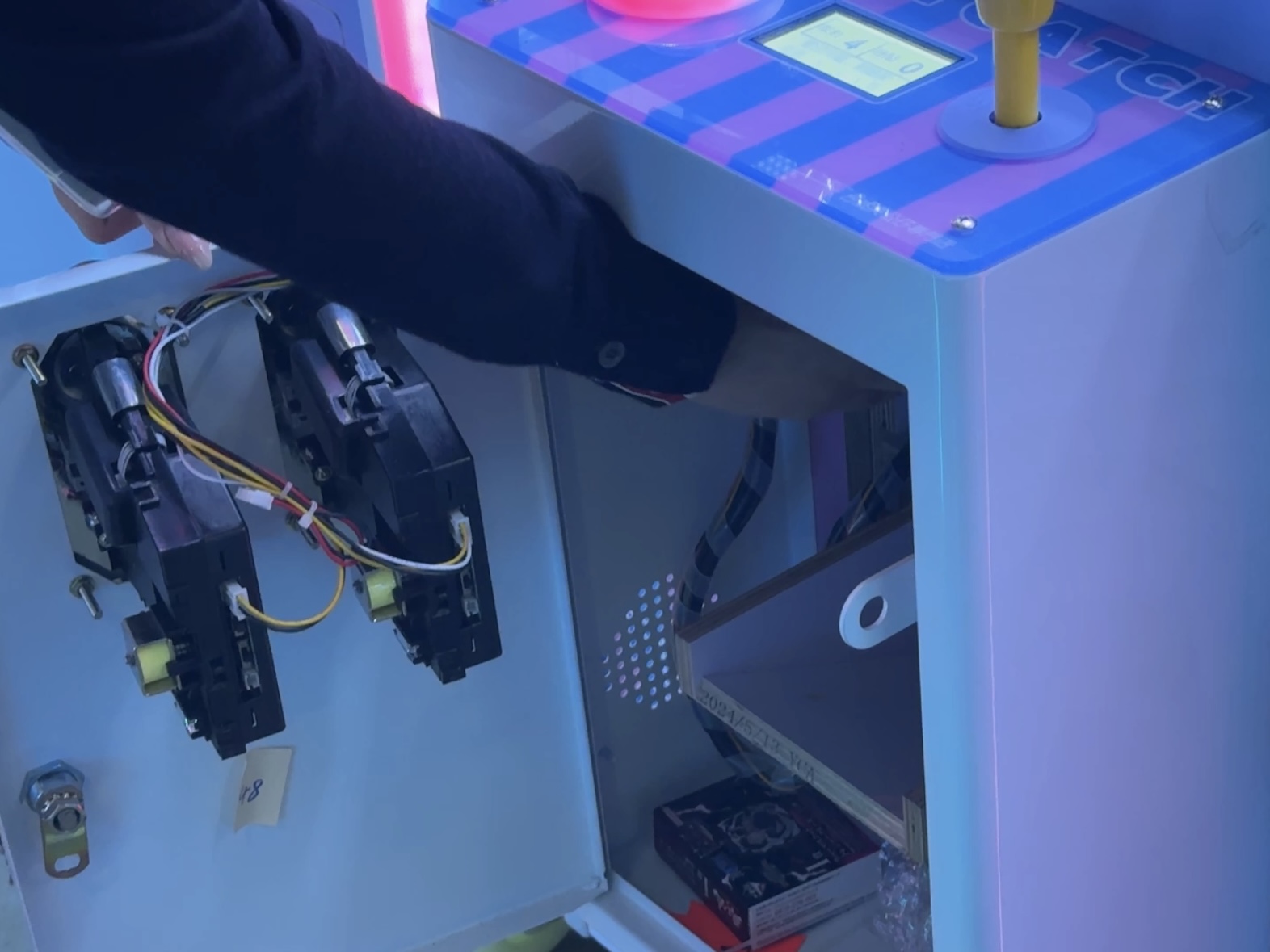
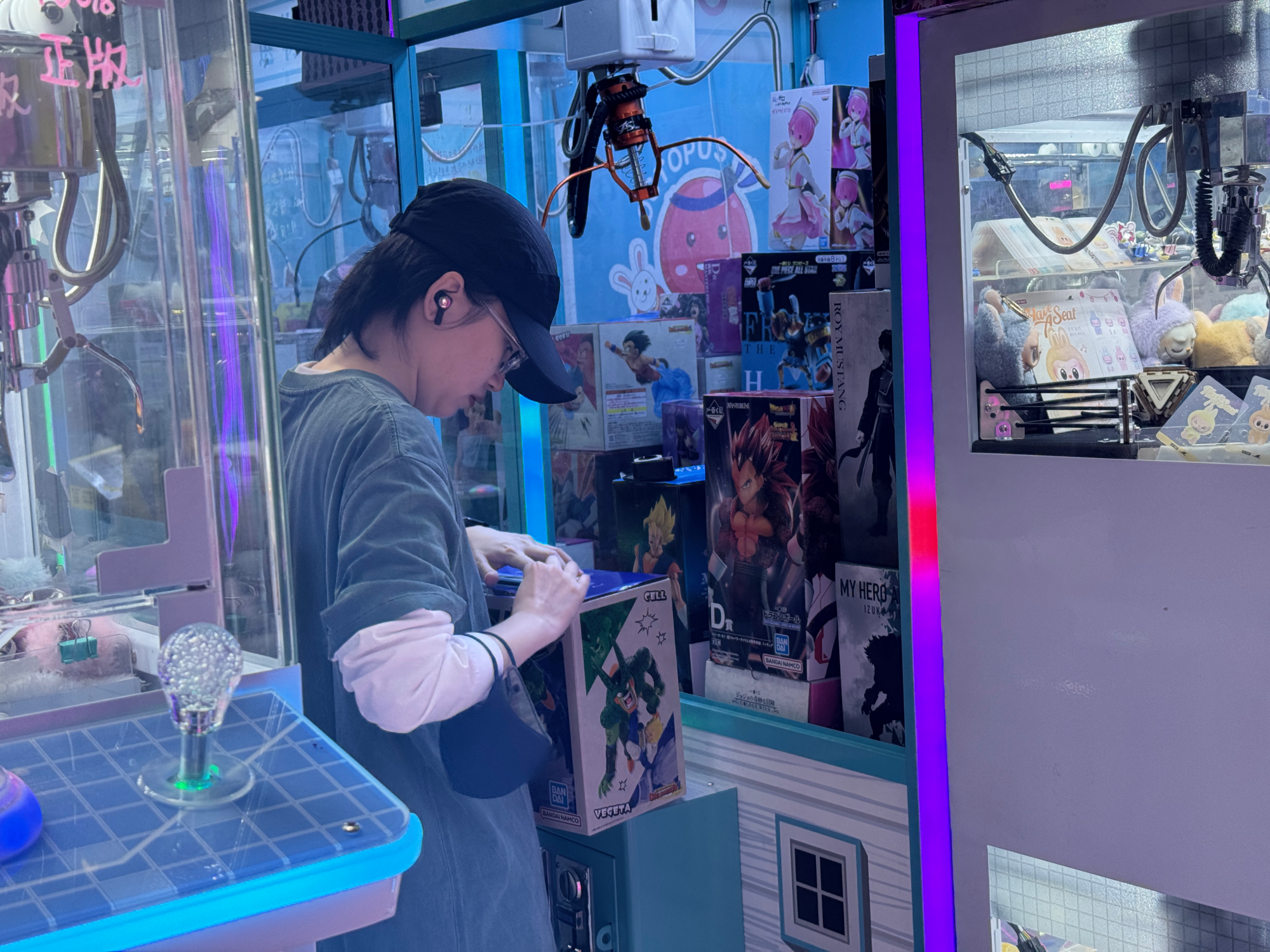
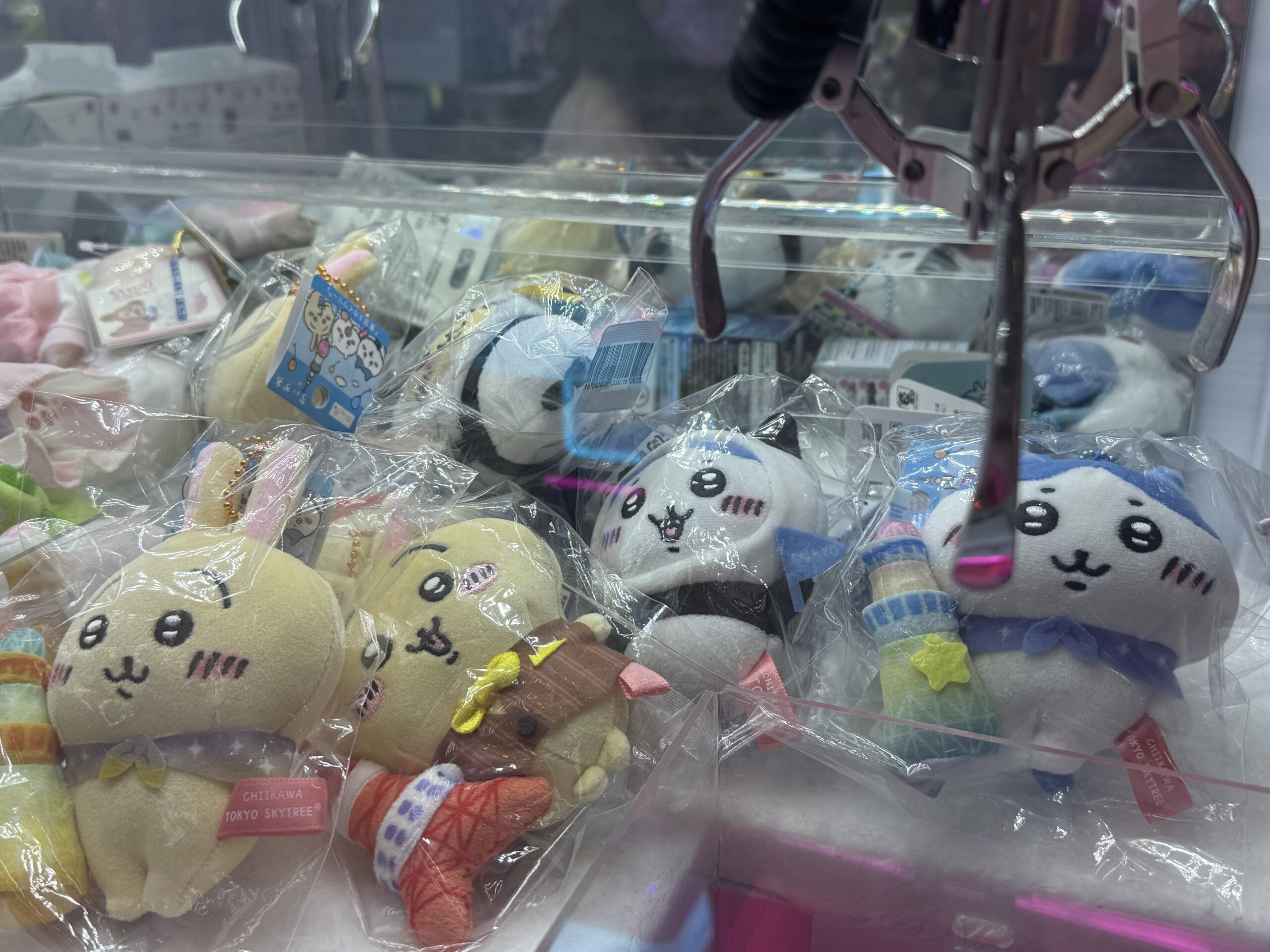
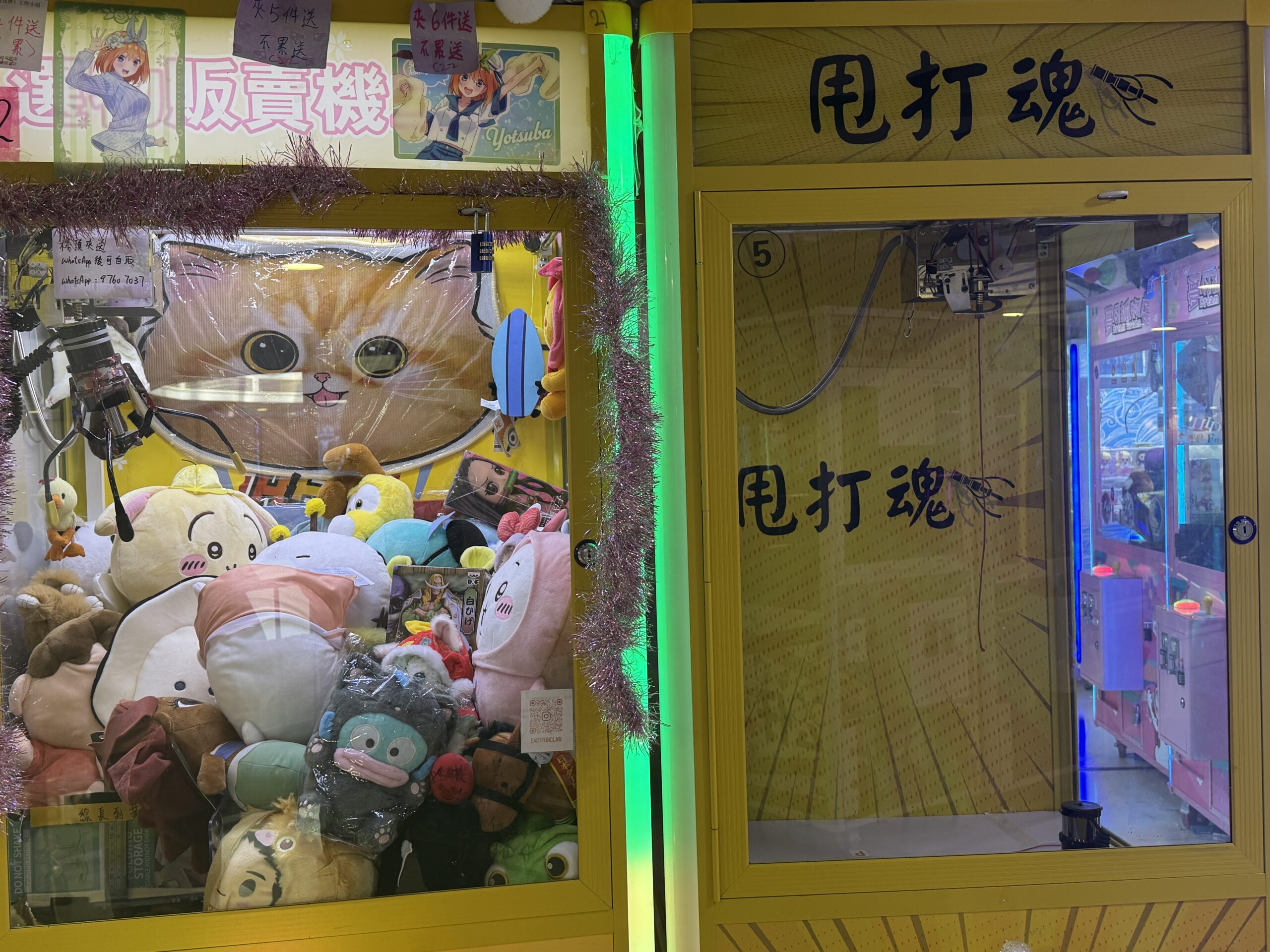
“Everyone has realized that this business is easy to do, and in fact, it doesn’t require many barriers. All you need is money to buy the dolls as the cost. Then you just need to learn a little bit about how to design the machine and adjust the settings, and you can manage it. ”Amy explained, ”So the entry barrier is very low, and you just need to open a store to do this business. Moreover, the income from this business is higher than the starting salary of some traditional jobs, which may earn around 20,000 to 30,000 HKD.”
According to the observation of local store owner Kevin Leung, after the pandemic, the catering and retail industries have been in a slump, and the rent has decreased. It was during this time that the claw machine industry thrived.
“But this (putting knockoff dolls) is not allowed in Hong Kong. In the Chinese mainland, they can do this, and customers have a great time. After playing, they can also exchange points. This is the operation mode in the Chinese mainland. But in Hong Kong, relatively speaking, the labor cost is several times higher, and the rent is also very high. So this mode is not very suitable for Hong Kong,” Kevin said.
Regarding the future of claw machines industry in Hong Kong, Kevin admitted frankly, “To be honest, I didn’t expect that I could still keep the stores open (when beginning). I actually started to feel that it (the amount of claw machine) was almost saturated two years ago, but there are still more and more machines opening now, and this trend may continue.”
Future Trend
In summary, amid today’s economic downturn, the proliferation of claw machines in Hong Kong signals the overall economic decline. On one hand, it reflects the ongoing struggles in the retail sector, with people turning to low-cost, low-consumption, and low-risk affordable hobbies; on the other hand, it also reflects the current trend of collectible toys among young people.
Chiikawa, Labubu, Disney, and various cute characters fill the colorful machines, attracting wave after wave of customers to play. Compared to mainland China’s claw machine market, where counterfeit toys are rampant, Hong Kong’s market, which exclusively uses genuine licensed toys, undoubtedly holds a competitive advantage.
However, some tourists complain about issues such as the absence of staff leading to untimely after-sales service, the lack of a “guaranteed catch” mechanism causing many to invest without any reward, and the machines only accepting Hong Kong dollars without support for mainland electronic payment methods. According to officials from the Hong Kong Consumer Council, complaints about claw machines in 2024 have more than doubled compared to 2023.
Claw machine shop owners have sensed business opportunities and are riding this trend. With low entry barriers, low rent, and low costs, these shops can offer starting salaries higher than traditional jobs, carrying the entrepreneurial dreams of many. However, they quickly realize the market is becoming saturated and competition fierce. Due to Hong Kong’s high labor costs, they cannot afford to hire many staff to improve the customer experience.
As two interviewed shop owners said, the post-pandemic surge in claw machine shops has made this sector increasingly crowded. Closely linked to Hong Kong’s retail economy, this situation may persist for some time. Like a small boat drifting with the tides in the vast economic sea, where it will sail next remains to be seen.
Credits
Advisor: Foon Lee
Multimedia Producers: CHEN Xuhan, DING Qianmen, DONG Jie, HUANG Xiaoyan & LIU Huanyi
Thanks to: YAN Jingyu, LUO Kai, LUO Minrong, Amy Li & Kevin Leung