Charms of the Times
Fashion, Feelings, and the Weight of KeychainsHave you noticed the streets turning into a runway of dangling personalities? Walk past any café, subway platform, or office lobby, and you’ll spot them: keychains. Not just clipped to keys, but everywhere—swinging from belt loops, clinking on handbags, even pinned to collars.
A polished office lady pairs her Hermès Birkin with a Labubu charm. A teenage student dangles a teddy bear keychain from their worn school backpack, frayed from years of adventures. An elite gentleman in a tailored suit surprises with a sleek metal pendant stamped with punk symbols shining under the sunlight.
Over there, a Gen-Zer’s tote drips with a My Melody pendant made of squishy nylon and a Loewe animal charm in calfskin. Here, a kindergarten kid’s crossbody bag is hung with a fluffy jellycat charm that’s almost the same size.
Is your charm a sweet companion, a self-expression necessity, or a trendy commodity?
In an era where personal style often collides with practicality, a new trend has taken hold: charms, keychains, and pendants are no longer mere functional items but symbols of self-expression, nostalgia, and even controversy. From office workers to influencers, minimalists to collectors, this trend sparks varied reactions. We explore six perspectives shaping the conversation.
For Mango (Cuiling Tang – 26), an office worker in media industry, the answer lies in practicality and creativity. Her corporate dress code prioritizes comfort and practicality but limits bold outfits that show her personality.
Yet, charms offer a simple way to refresh her look and make basic items feel unique and stylish. Her hat-shaped keychain unfolds into a grocery bag, and a tiny pendant doubles as a pen.
“My principle is that a charm needs to be cute, practical, and well-fitting to my outfit,” she says.
While some bags and clothes, though well-designed, can be not only expensive but also lacking durability, pendants become her solution for not to be buried in the crowd, so Mango believes that the popularity of charms will continue to flourish: “I would buy some special pendants to show people that I’ve worked on my outfits. I’m not dressing ordinary for today; I have my own taste and style.”
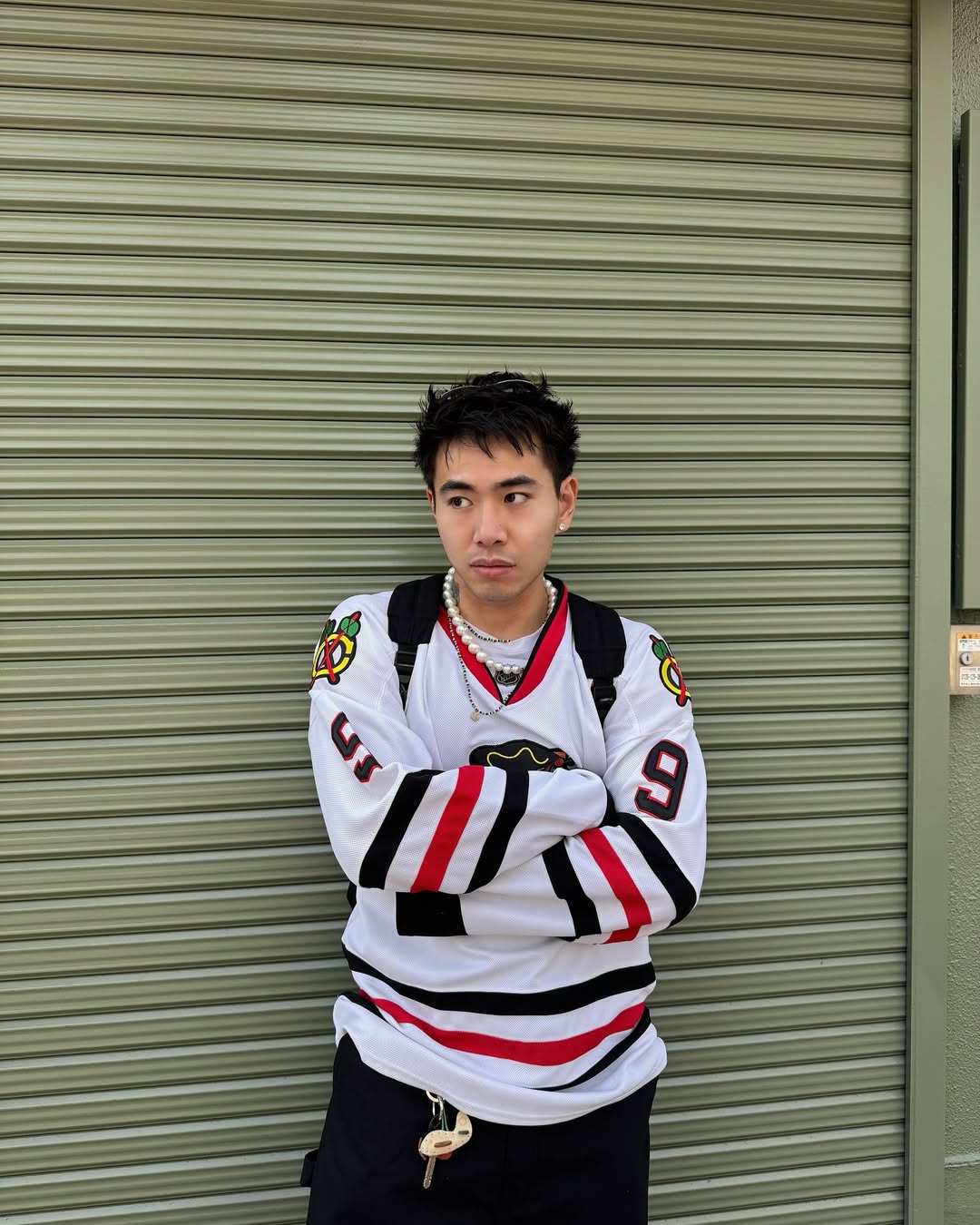
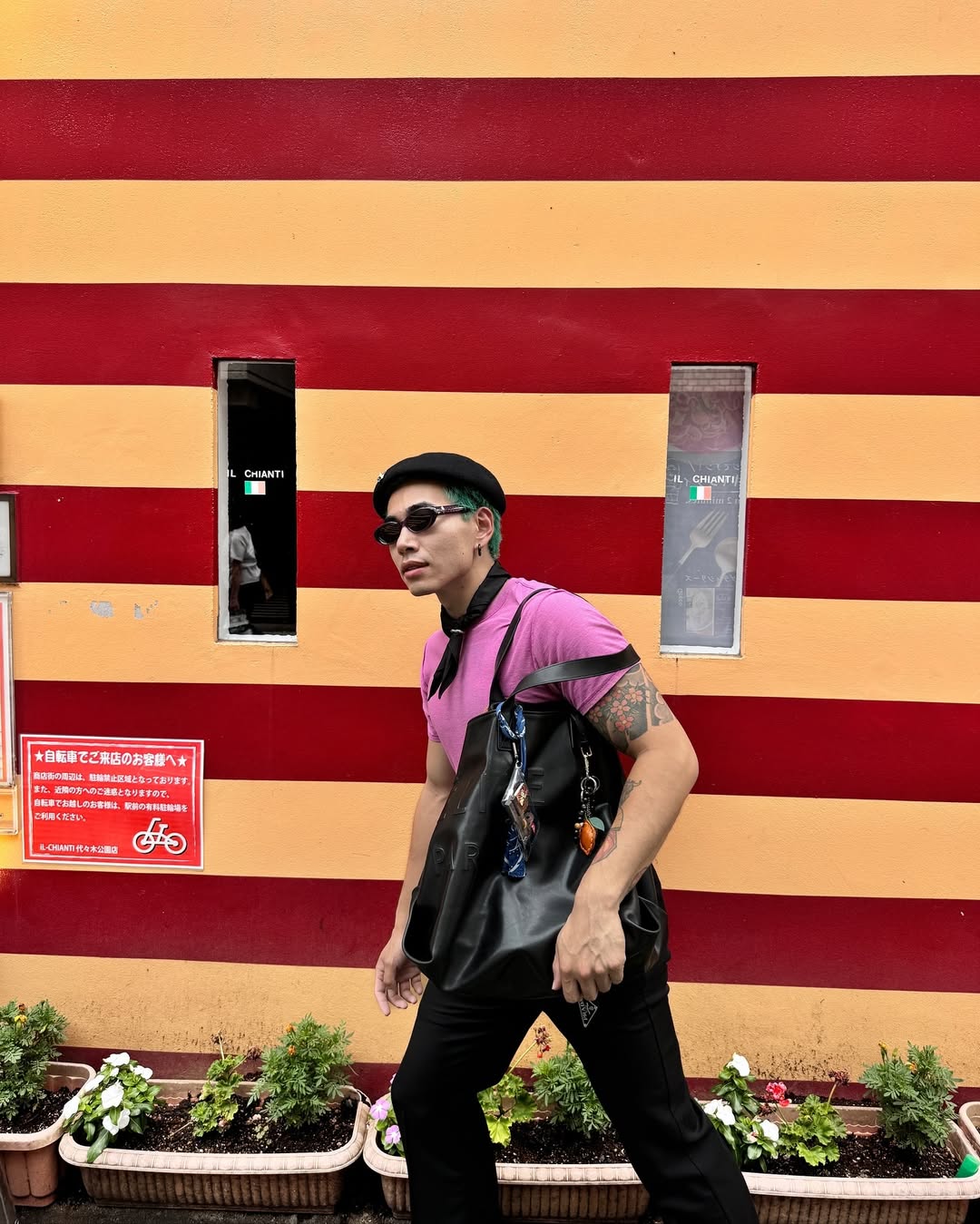
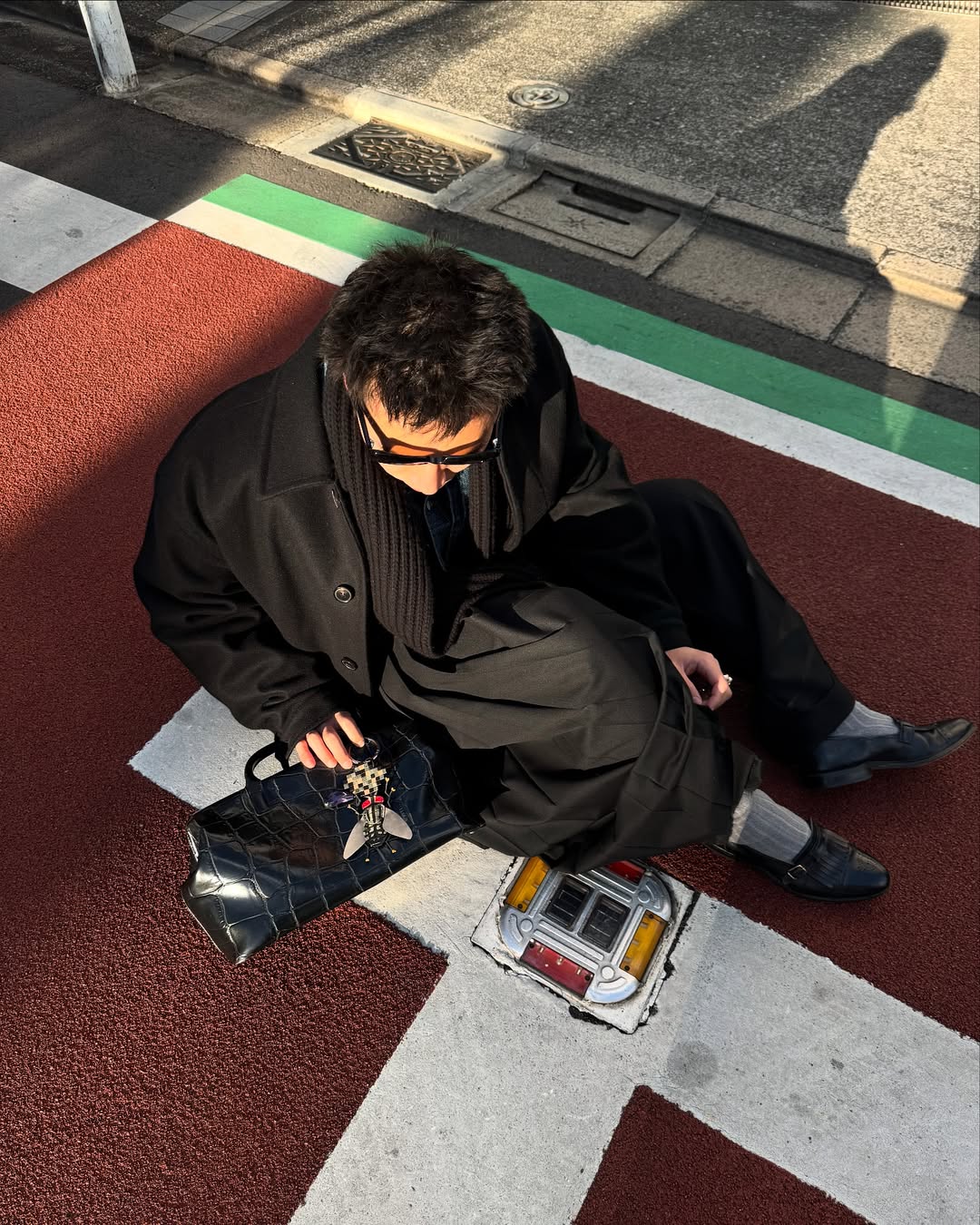
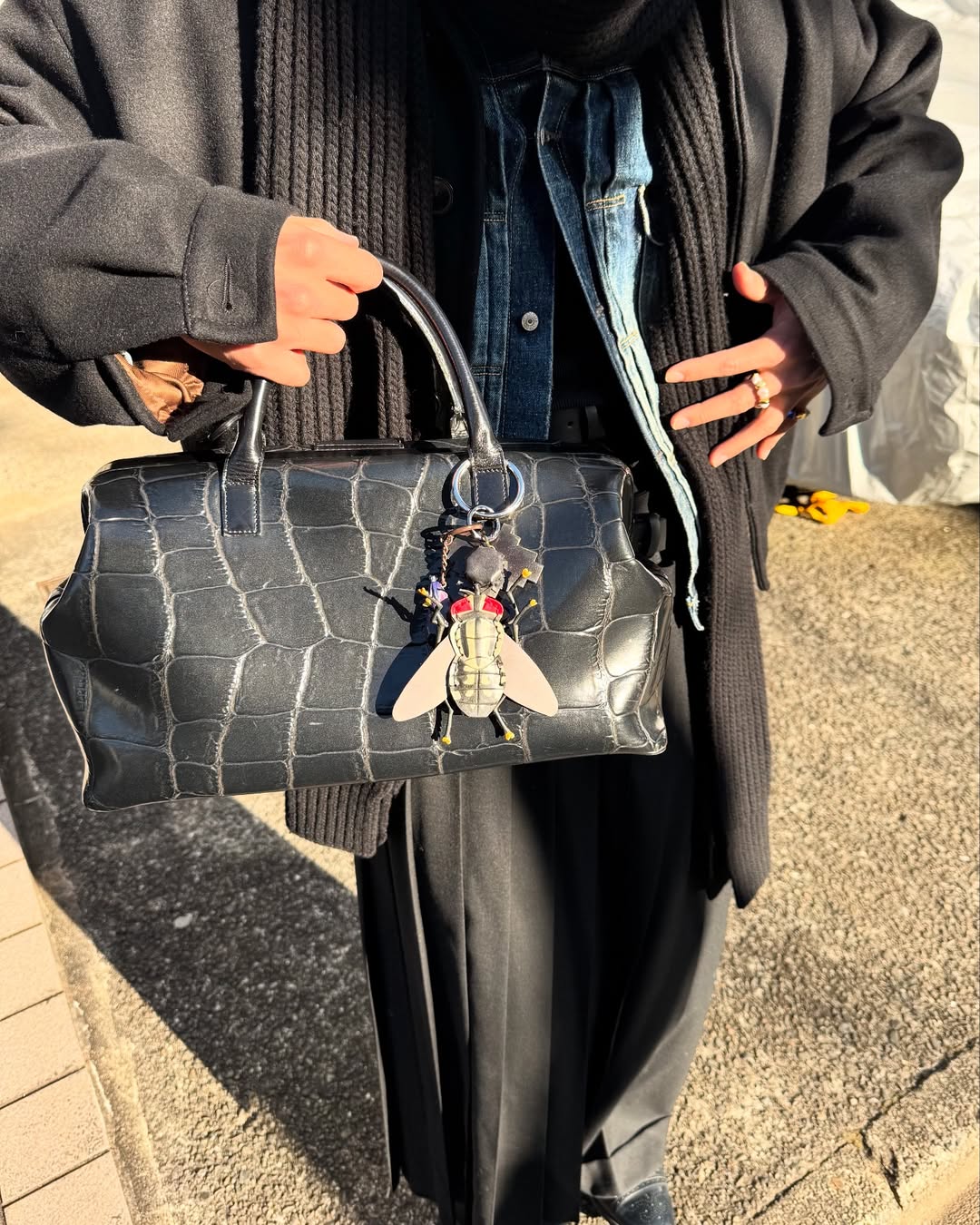
Tom (Yuexuan Zhou – 27) is a fashion influencer with 25.5K followers on instagram (@zyxtom) and 20.5K followers on Xiaohongshu (@汤汤蛙).
He is founder of accessory brand RŪMU, designed the Bloom VersaTIE—a leather flower that transforms into a bolo tie, belt decoration, or bag charm.
To Tom, even as a fashion influencer, he recognizes that basic, simple-color clothes are the most common outfits that satisfy multi-scene dressing needs rather than distinctive, colorful clothes that he would be drawn to.
Tom thus believes that charms are necessary, because they allow people to experiment with different styles and make everyday pieces feel more personalized.
“[Charms] let you participate in trends without overhauling your wardrobe,” he explains.
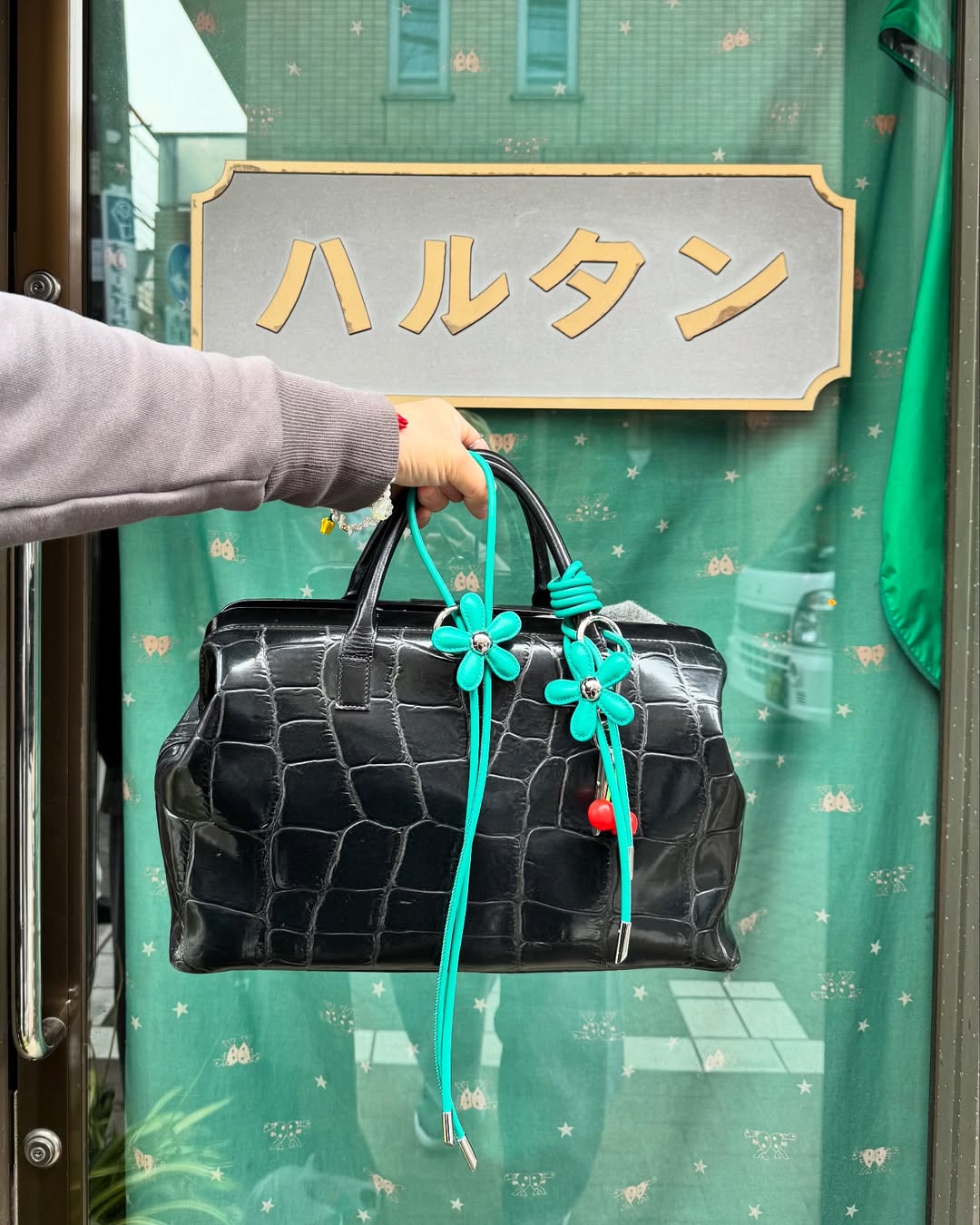
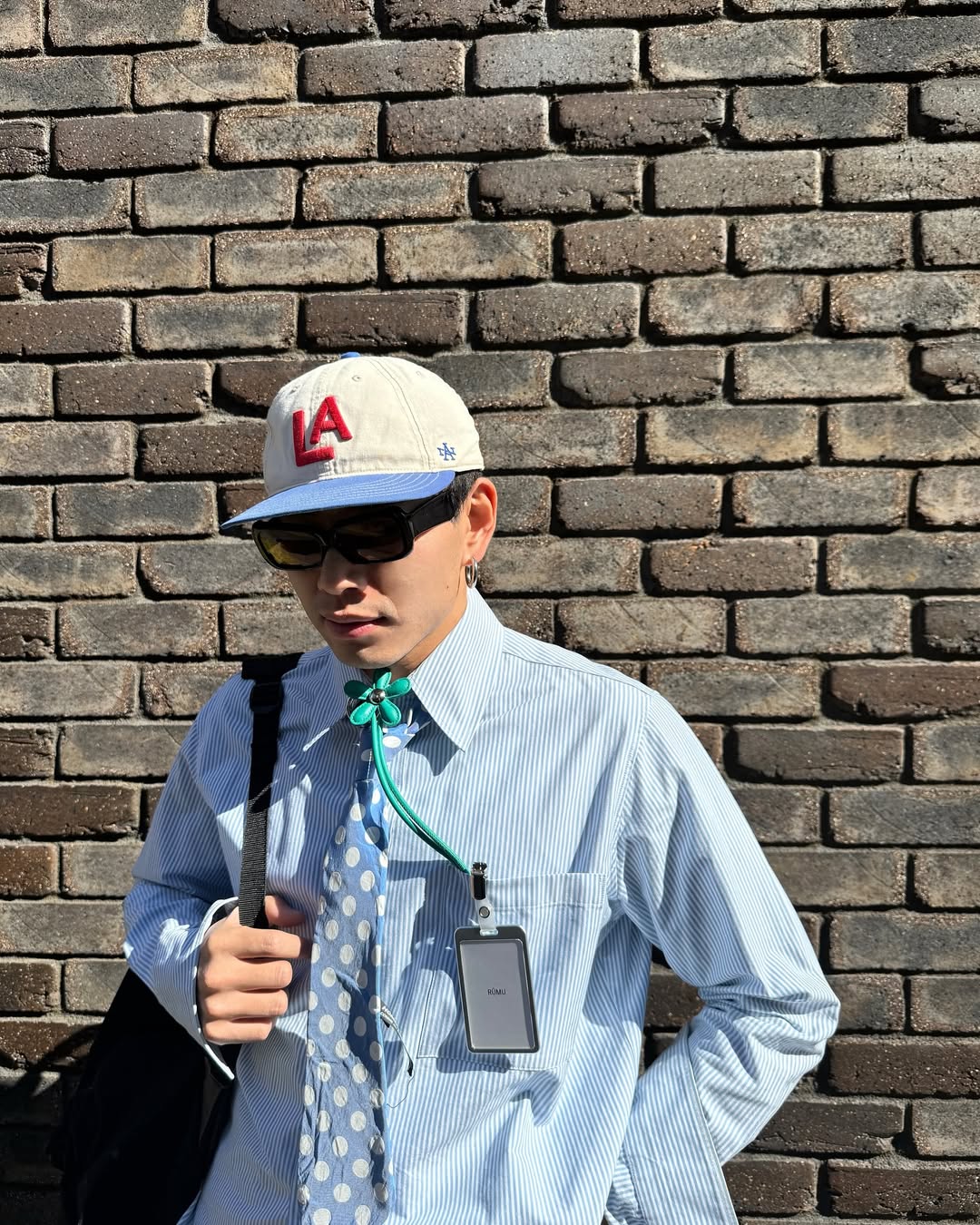
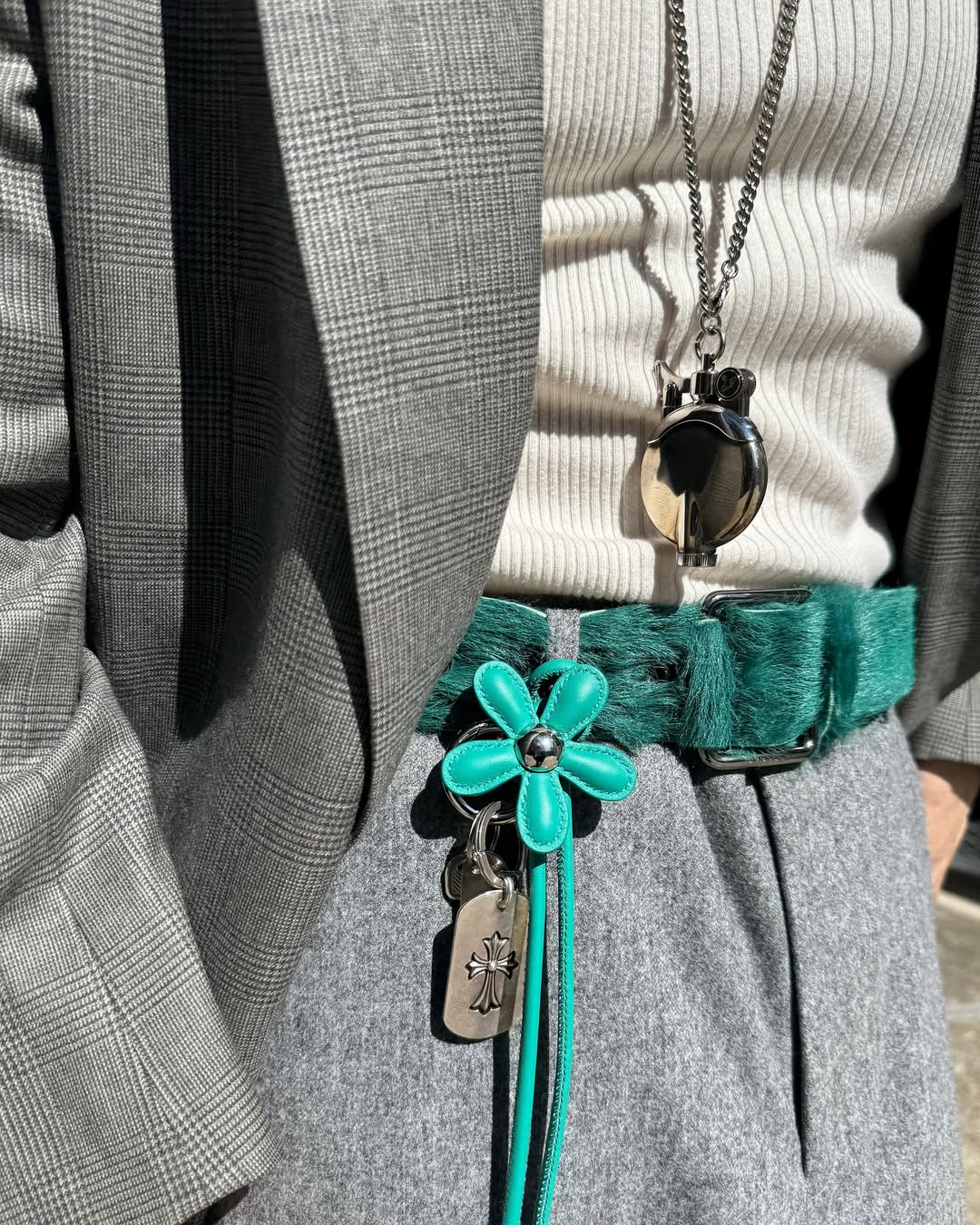
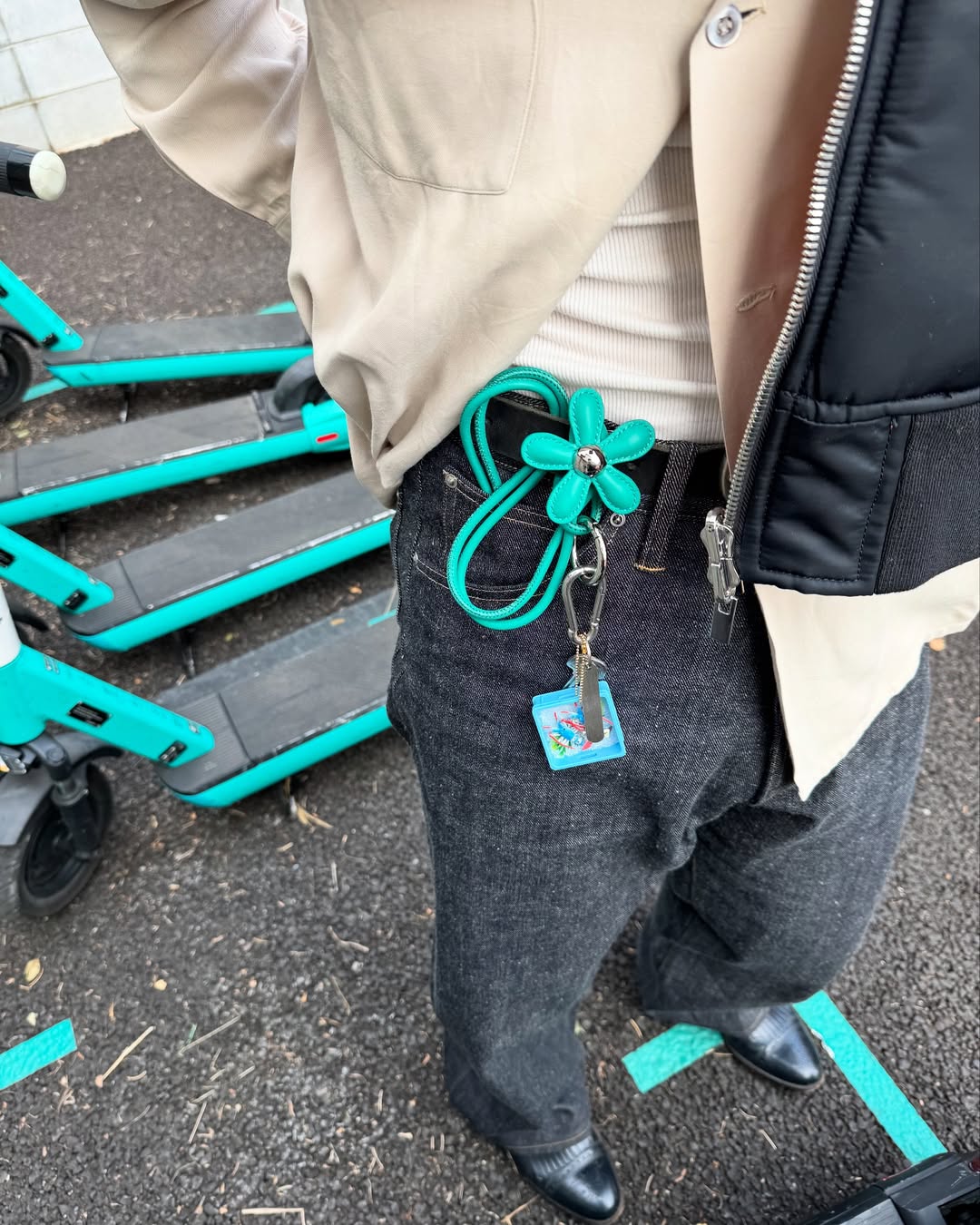
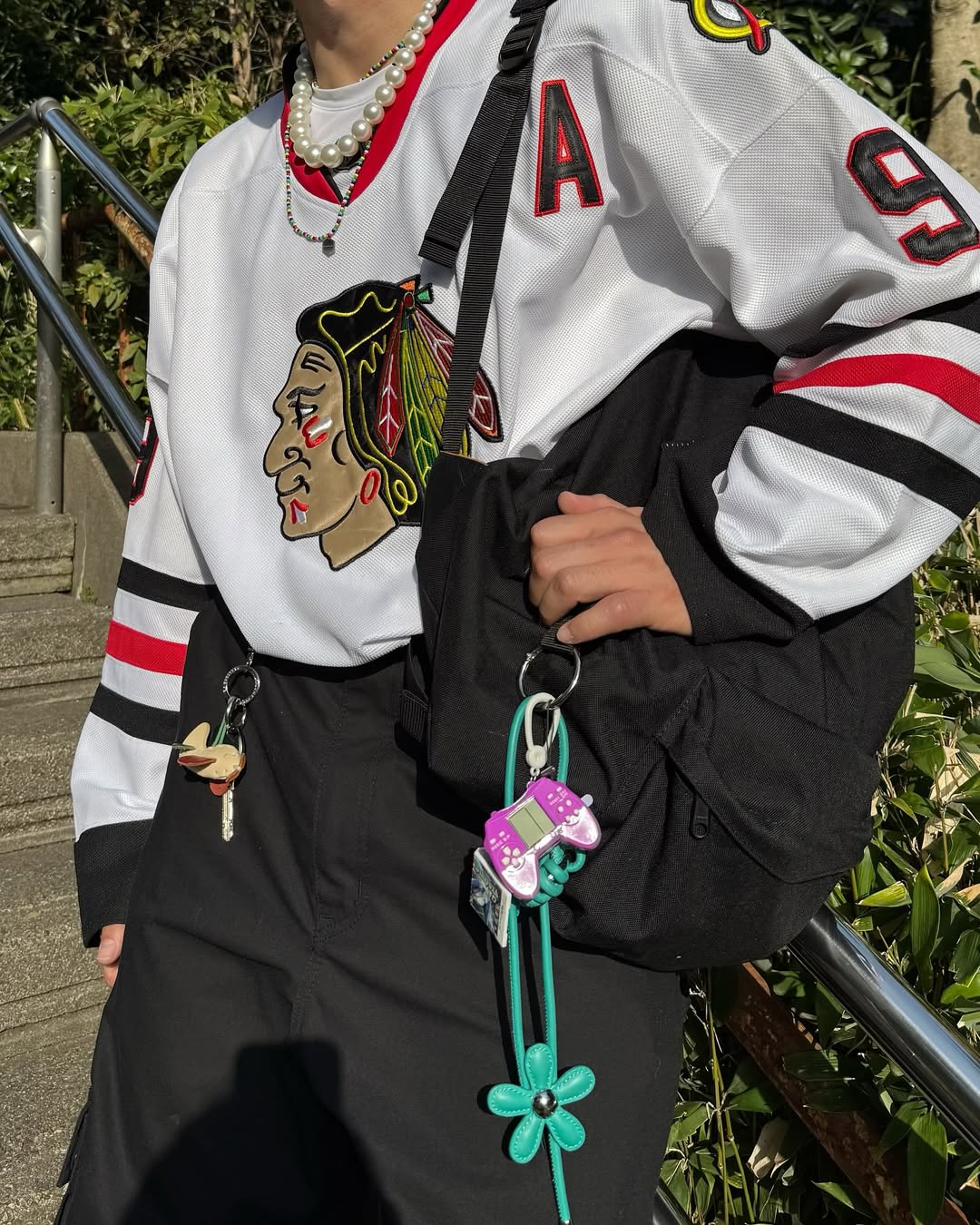
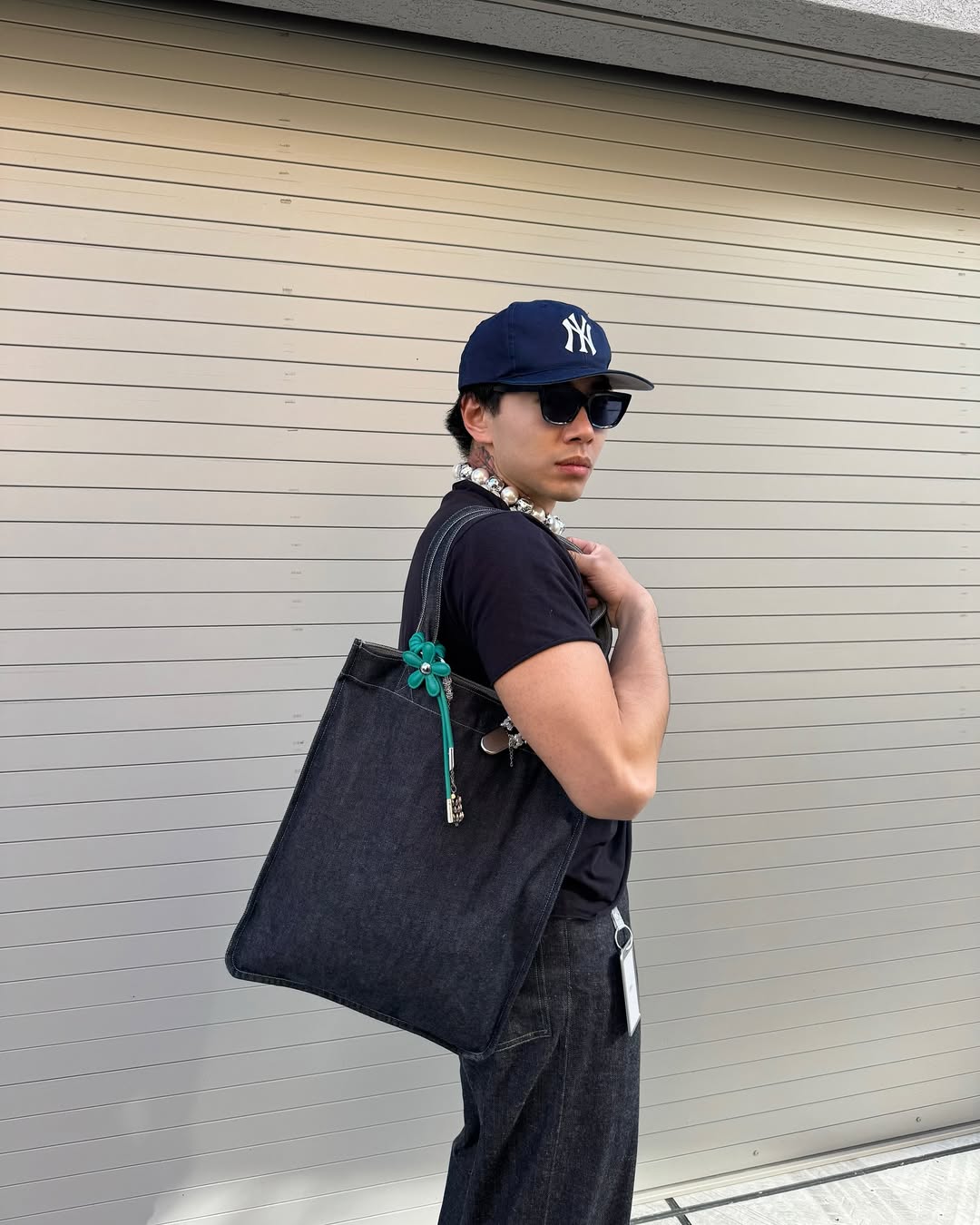
For Tom, pendants democratize fashion: “They’re for people who value timeless basics but crave a touch of individuality.”
“Bloom VersaTIE invites you to experiment with its endless possibilities and have fun, and that’s why I chose to create this charm and had it to be the very first item of my brand.”
Not everyone, however, sees charm-driven fashion as progress. For some, it risks overshadowing the artistry of design itself.
Tyson (KinHo Lau – 24), a wine sommelier having fashion as his interest, critiques the trend’s focus: “If an outfit is well-designed, it should speak for itself.” To Tyson, fashion should lie in its core—while pendants can be a fun addition, the essence of fashion should remain with the quality and creativity of clothing. He dismisses charms as “fast fashion” lacking depth, especially after his disappointment when Tom, being one of his favorite influencers, launched a charm instead of innovative clothing: “I don’t think one product can represent all occasions in your life,” he says.
When asked where he sees this trend heading in the future, Tyson thinks that, “people may be a bit misled on their consumption of accessories, probably because [accessories] are more cost-effective or achievable, but the focus of fashion is still more about the clothes.”
“Even though life and trends keep changing, especially in this fast-speed world, there are still some customers and people craving for the true styles. I think that’s something designers and influencers should think about.”
What if these keychains have other meanings?
While Tyson critiques charms as superficial additions, countless wearers defy that notion. Beyond debates over aesthetics, many wearers cling to charms for reasons far deeper than trends. These trinkets anchor memories, whisper secrets, and stitch invisible threads between people. They’re not just about looking good—they’re about feeling seen.
Bryce (Bin Yu – 24), a minimalist in all-black outfits, carries a Donald Duck keychain and two rope charms that do not seem to go too well with his overall simplistic style. “They remind me of precious memories whenever I look at them,” he shares.
The ropes are gifted by his closest friend, and the Donald Duck charm symbolizes reconciliation with his girlfriend after a Disneyland argument.
“As you can see, I am a minimalist guy. At first the keychains felt a bit annoying to me. But then, I realized whenever I looked at them, they always reminded me of somebody or the memories behind them. That’s what matters,” he says, though he admits: “Maybe they make me stylish by accident.”
How much do we have to pay for those carriers of self-expression and memory?
Keychains and pendants, once dismissed as childish trinkets, have become the heroes of modern self-expression. They dangle from minimalist totes and backpacks, swing from luxury handbags, and even clip onto belt loops, weaving together fashion, emotion, and identity. But what does this trend reveal about our times? Is it an effective expression of fashion statement, a medium of emotional connection and memories, or simply another consumerist trap?
For long-term collectors, however, the trend’s popularity threatens the very intimacy that once made charms meaningful.
Shuhui (Shuhui Huang – 27), a lifelong Sanrio collector, clips Cinnamoroll and My Melody charms to her bag as “companions” that have witnessed and supported her ups and downs. “Charms allow me to hang [my favorite characters] on my bags, taking them with me everywhere,” she says, “and it feels like I have my closest friends stay by my side, cheering me on. I always feel empowered whenever I see them.”
But the trend’s explosion has turned once-affordable companions into luxury items, and buying her favorite character’s keychains has become a race. With the rising popularity of keychains and the Sanrio characters caused by the trend, resellers are taking advantage by buying as many as possible, causing scarcity for a higher price at resell markets.
“When we’re in line at the Sanrio storefront to buy the charms of our favorite characters, it’s very likely that we’re competing with resellers. I think that’s really unfair.”
The intimacy of Shuhui’s collection now battles a market where nostalgia is packaged, priced, and sold. Resellers buy up affordable charms during new releases, only to sell them for far more later. Meanwhile, brands market ‘limited’ designs that sell out quickly, which then reappear on resale platforms at steeply inflated prices.
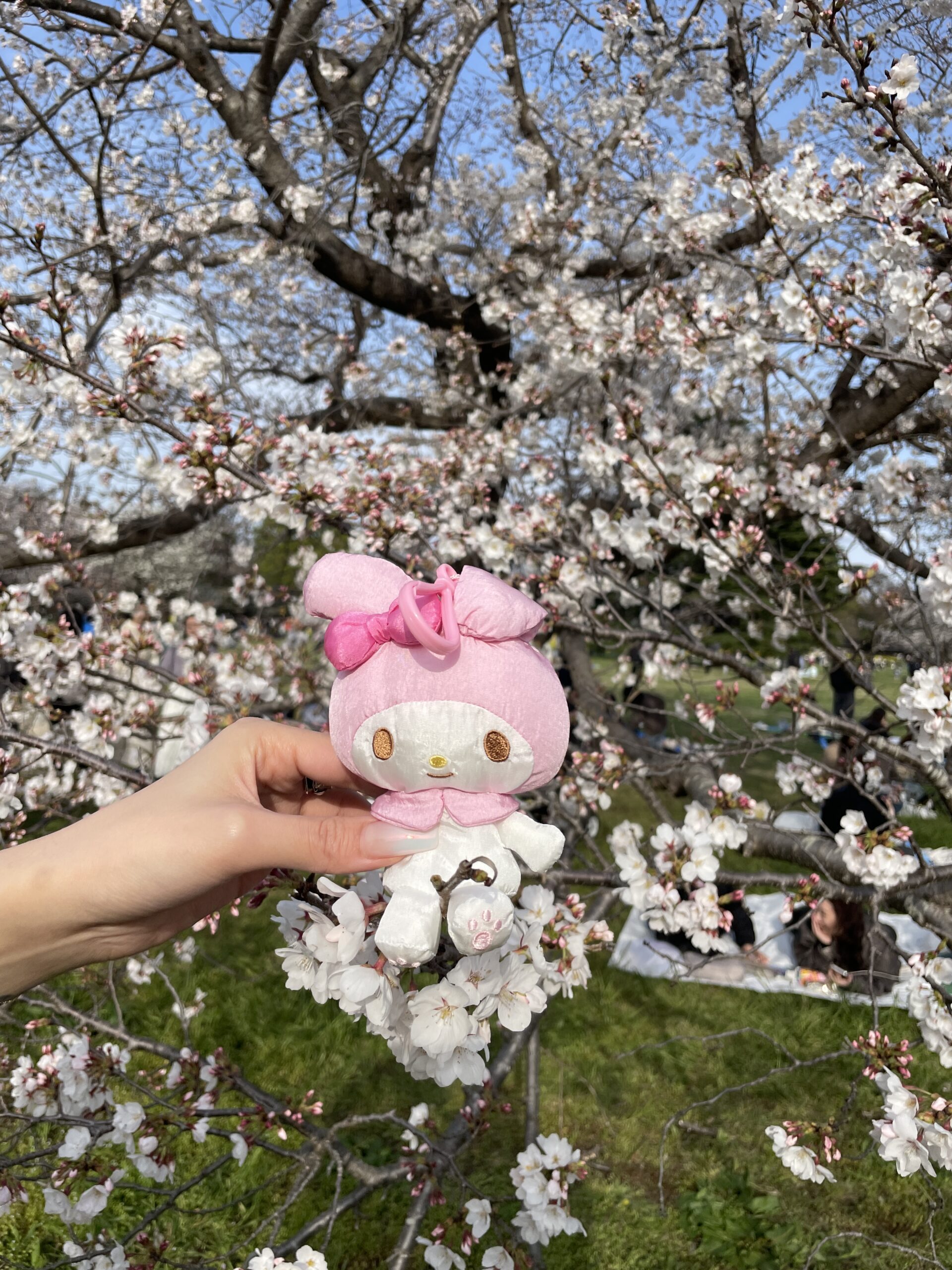
Fluffy friend My Melody sits on the branch of a sakura tree in the blooming spring
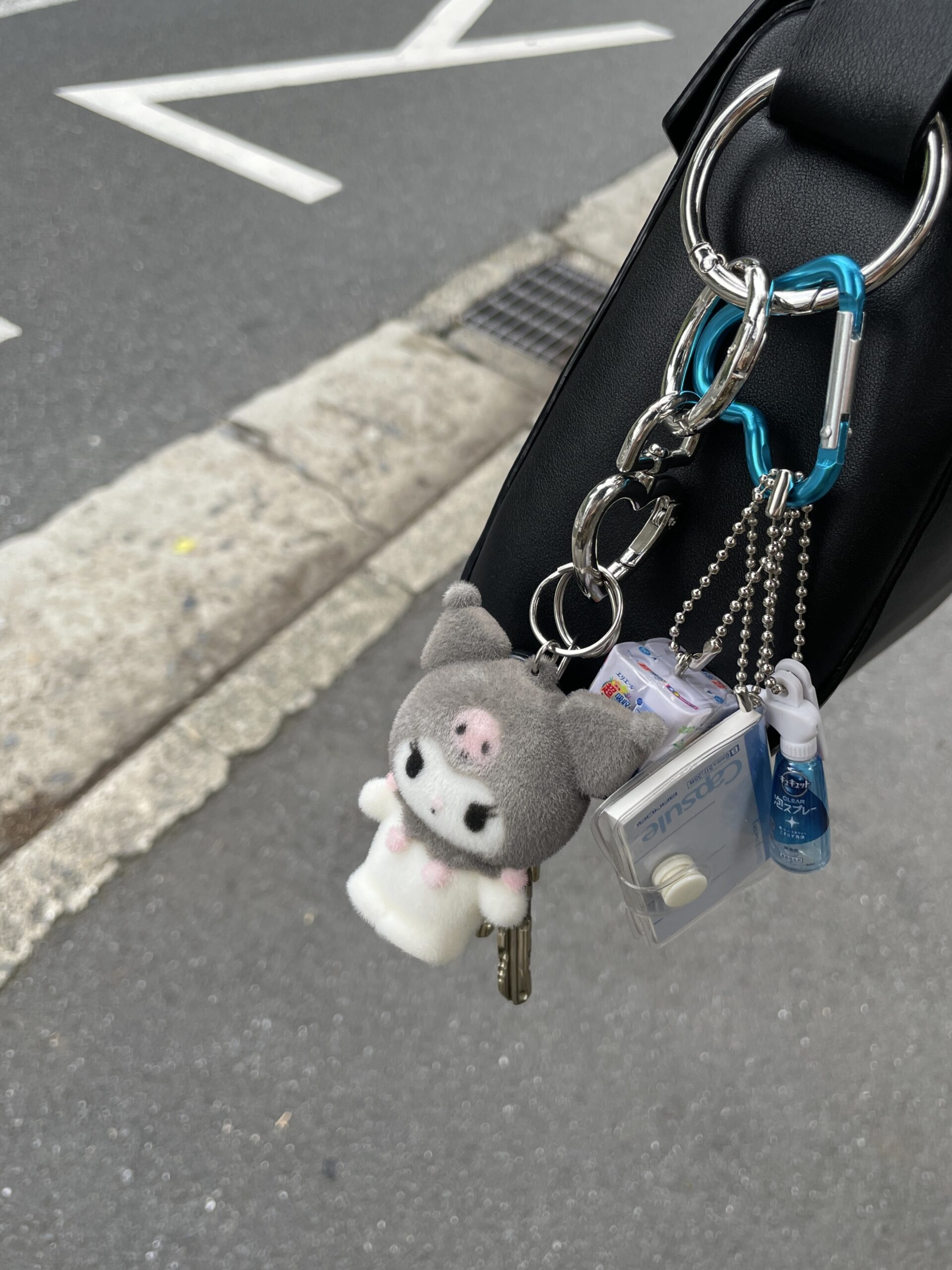
Tiny Kuromi quietly observes pedestrians on the street, judging their outfits with a cool expression
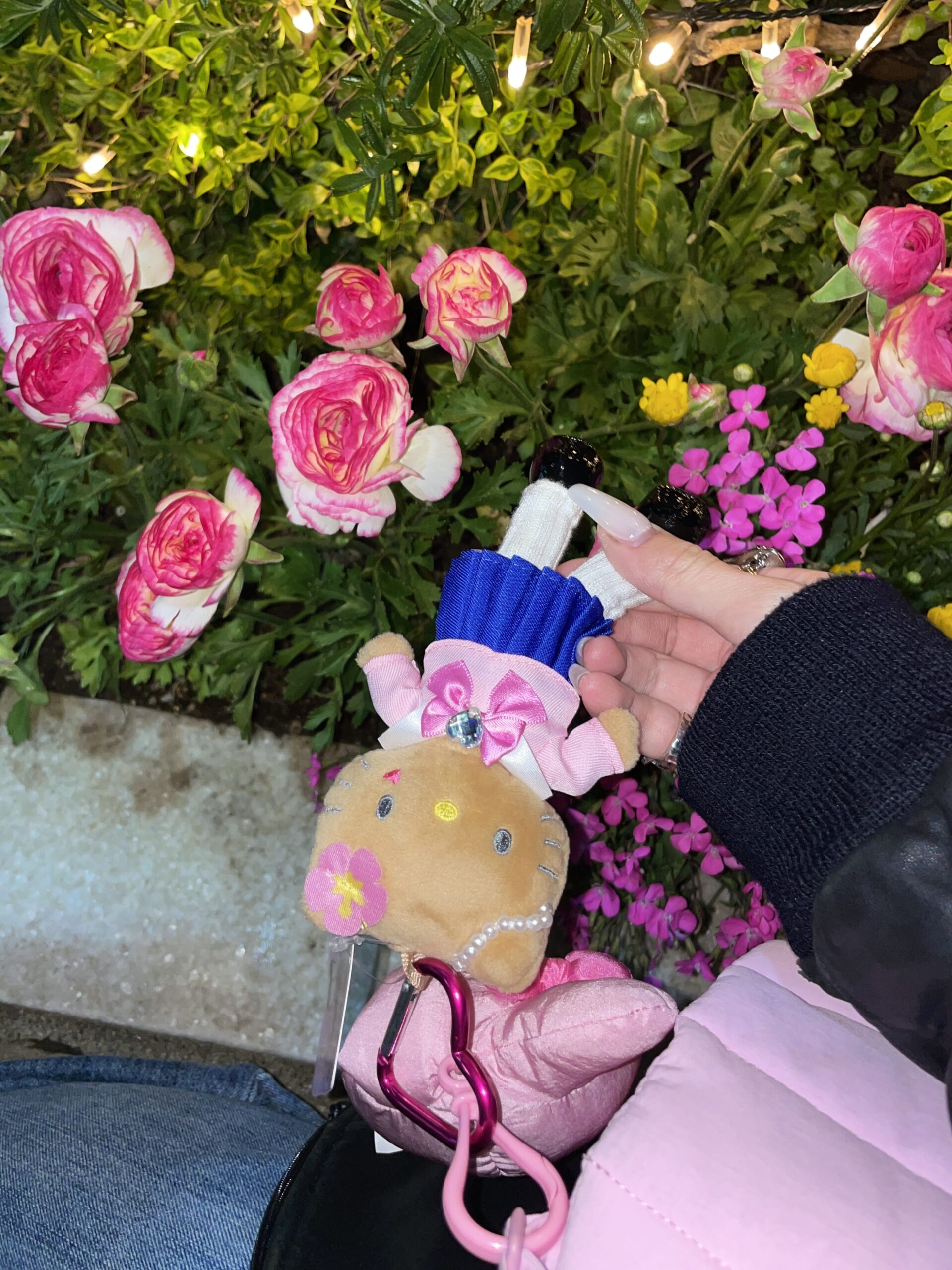
Dark-skin Hello Kitty meets her favorite flowers that match the one she’s wearing
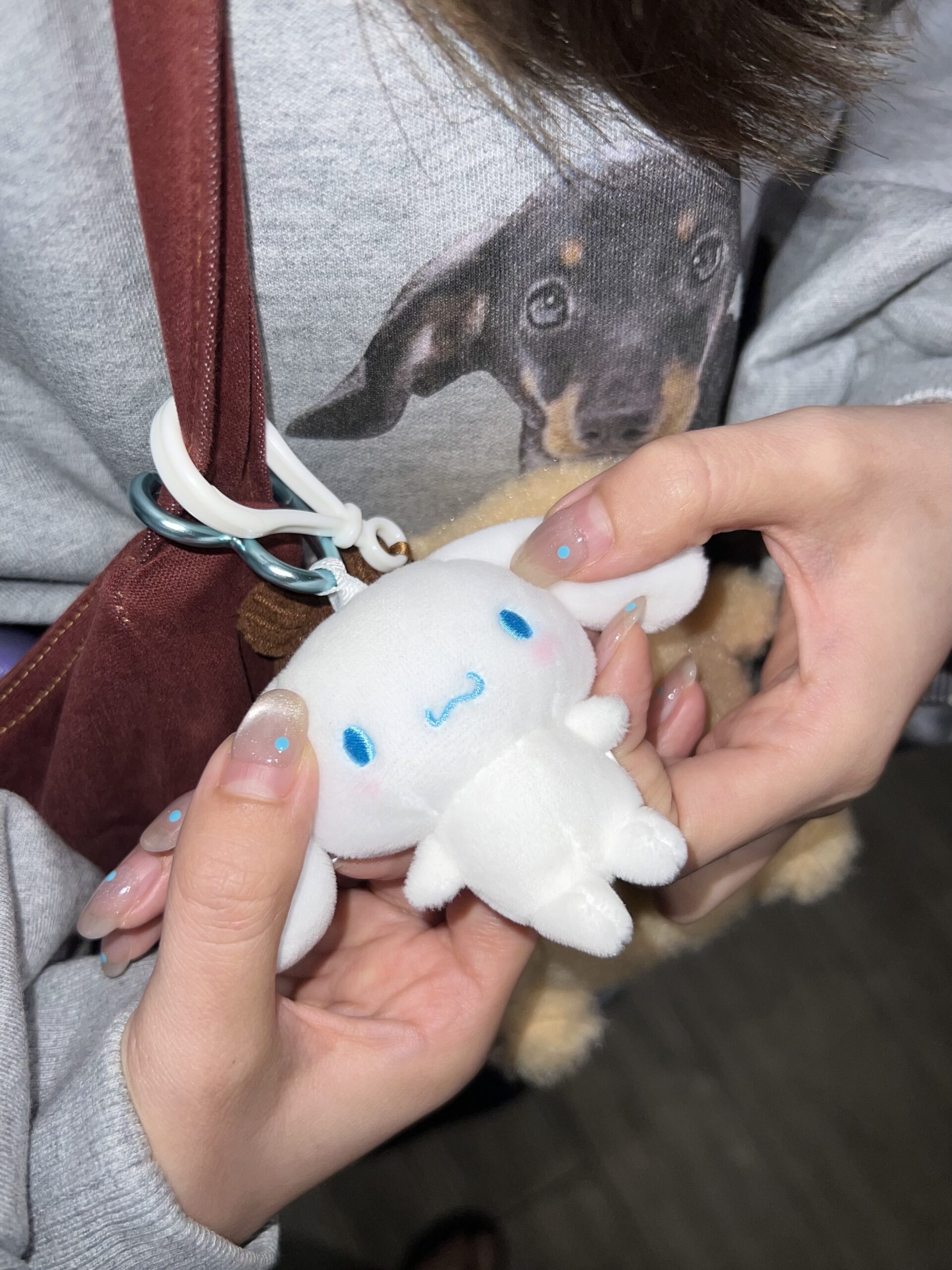
Cute Cinnamoroll is glad to finally be invited to join the girls’ night
High-tier fashion brands also capitalize on this duality, blending emotional appeal with profit-driven strategy.
At Acne Studios, 3D-printed keychain jeans retail for HKD 7,000 and sell out instantly. The brand’s keychain-integrated designs blend practicality with trend-driven demand, turning it into an “affordable luxury” staple. Salesperson Fung (ChunFung Ng – 25) explains the strategy: “Pairing basics with free chains boosts sales.” New handbags are often showcased in stores with decorative pendants attached to enhance their display appeal.
However, these accessories are not included and must be purchased separately. Fung notes that this marketing strategy effectively draws customers in, encouraging them to either purchase the bag itself or the standalone charm to personalize their existing accessories. “After hanging pendants on a pair of seemingly ordinary jeans, customers would think it actually looks very good. [The pendants] upgrade the look and taste. The customers would then buy the whole set [instead of a single item], so our prices are raised accordingly.”
Some whisper nostalgia, others demand attention for their fashion statement. A Hello Kitty keychain winks beside a Hermès Rodeo horse charm. A DIY friendship bracelet charm battles for space with pendants of luxury brand logos. But one thing’s clear: keychains aren’t just accessories anymore—they’re a necessity of a modern-day look and self-expression. As the trend polarizes, one question lingers: Are charms empowering individuality—or exploiting it?
Why are so many people willing to buy these little charms (at such costs)?
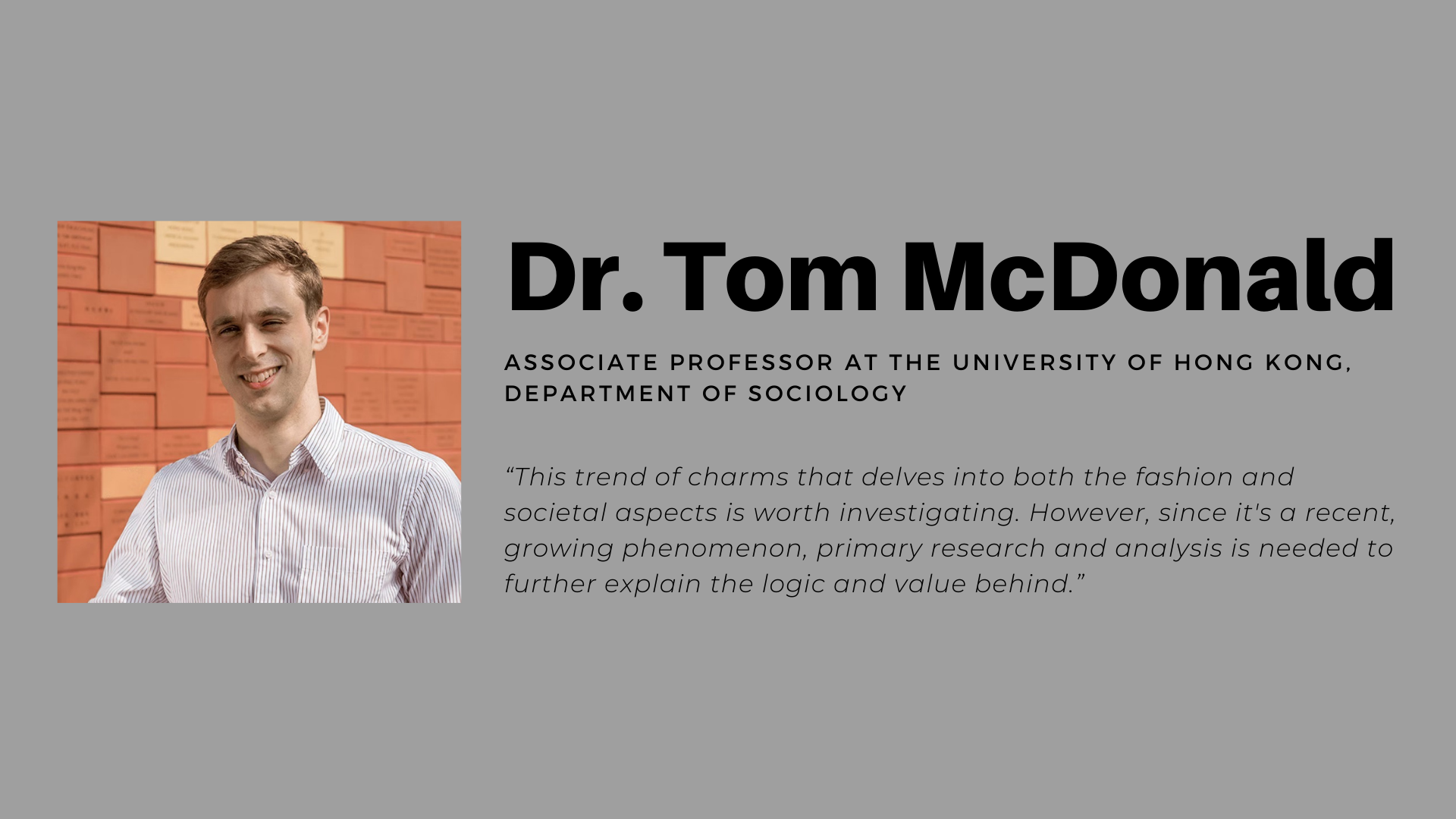
Though there hasn’t been any academic research or professional analysis available to explain the heated popularity of charms, the trend has received wide attention since the end of 2024.
In Bazzar’s article, “Why bag charms are this season’s most sought-after accessory” (16 December 2024), bag charms have surged back into the fashion spotlight, evidenced by a sevenfold increase in Pinterest searches for “bag charms” and a 65% rise in “charms” searches over the past year. This trend reflects a strong market demand. Lyst, the world’s largest fashion search platform, reports a 352% month-on-month increase in interest for bag charms and a 129% rise in embellished bags this quarter, with no signs of slowing down.
According to Lyst’s curation manager Barbara Janeczek, “Bag charms are experiencing a moment of cultural significance that goes far beyond mere accessorising,” driven by personal expression, micro-luxury, and social media trends.
This growing trend has opened a niche for brands, especially luxury ones, to create a variety of charms and keychains that align with consumer desires to express personal style and signal brand affiliation at a lower cost than the bags themselves. These charms serve as storytelling canvases, allowing individuals to personalize standard bags, driven by a generation that values unique self-expression. While many fashion enthusiasts opt for these small yet impactful accessories to personalize luxury items, there remains a strong interest in ready-made designs with integrated charms.
Bag charms would remain relevant over time due to their versatile nature. Beyond mere decoration, they act as tools for sharing personal narratives, highlighting uniqueness, and merging cultural influences from around the world.
Is the charm trend unifying us—or dividing us?
Can personal meaning survive commercialization?
As the debate continues, the answer dangles as delicately as the charms themselves.