
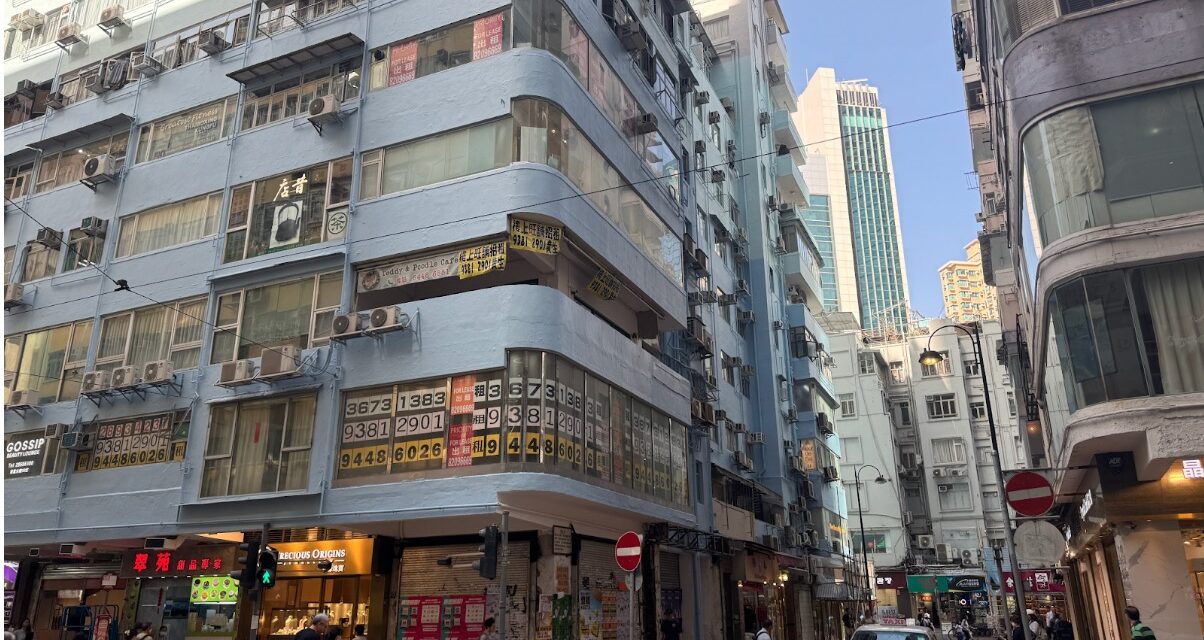
The streets of Hong Kong are like an open book, with each small store an unbound chapter. Strolling through once-busy neighborhoods, “For Rent” signs can be seen everywhere. These vacant storefronts not only epitomize the business ecosystem but also reflect the plight of small businesses under increasing pressure. The “For Rent” signs on these corner storefronts have become a glaring footnote to the city’s economic fabric, which has seen repeated creases over the past few years – high rents eroding profits, declining tourist traffic, and weak local consumption.
We visited a lot of stores on Hong Kong Island, and they told us that many of the stores around them had either closed down in the wake of the epidemic or shut down because they could not afford the high rents. However, amidst this dismal scene, there are still lights flickering. Their books are filled with the glaring words “loss”, but “there is no choice but to persevere,” says Sherily zhu, the owner of the crystal store, who has invested more than a million Hong Kong dollars in the store, “Now if we quit, there will be nothing left. The Escape room owners hold on to their life’s work like parents guarding their grown-up children; shopkeepers like Thron and Burrow try to prove the value of “slow business”; and Blotto is convinced that the neighborhood needs their lights. When business logic fails, emotion and conviction become the last pillars of perseverance.
“In 2024, prime street shop rents in Hong Kong saw only a modest 1.3% increase, a significant slowdown from the 14.8% growth recorded the previous year. Meanwhile, rents for premium retail spaces in shopping malls fell by 2.3% this year”
Traditional cultural and creative stores, independent bookstores and specialty restaurants, which carry the memory of the city, have been hit the hardest. Their disappearance is not just a drop in a few economic figures, but also a threat to community culture and urban identity. Under the triple pressure of rising rents, epidemics and shifting consumption patterns, these stores, which have grown up with the city, have disappeared one after another, leaving behind “For Rent” signs like cracks in the city’s fabric.
“SOME STILL PERSIST” ⬇️
Yet amid this bleak landscape, defiant lights still flicker. We visited multiple shops operating at a loss yet persisting against the odds—their ledgers awash in red ink, yet all echoing the same refrain: “No choice but to keep going.” Some cling to their life’s work like parents guarding a grown child; others strive to prove the worth of “slow business”; some simply believe the neighborhood needs their light. When commercial logic fails, emotion and conviction become the last anchors holding fast.
-
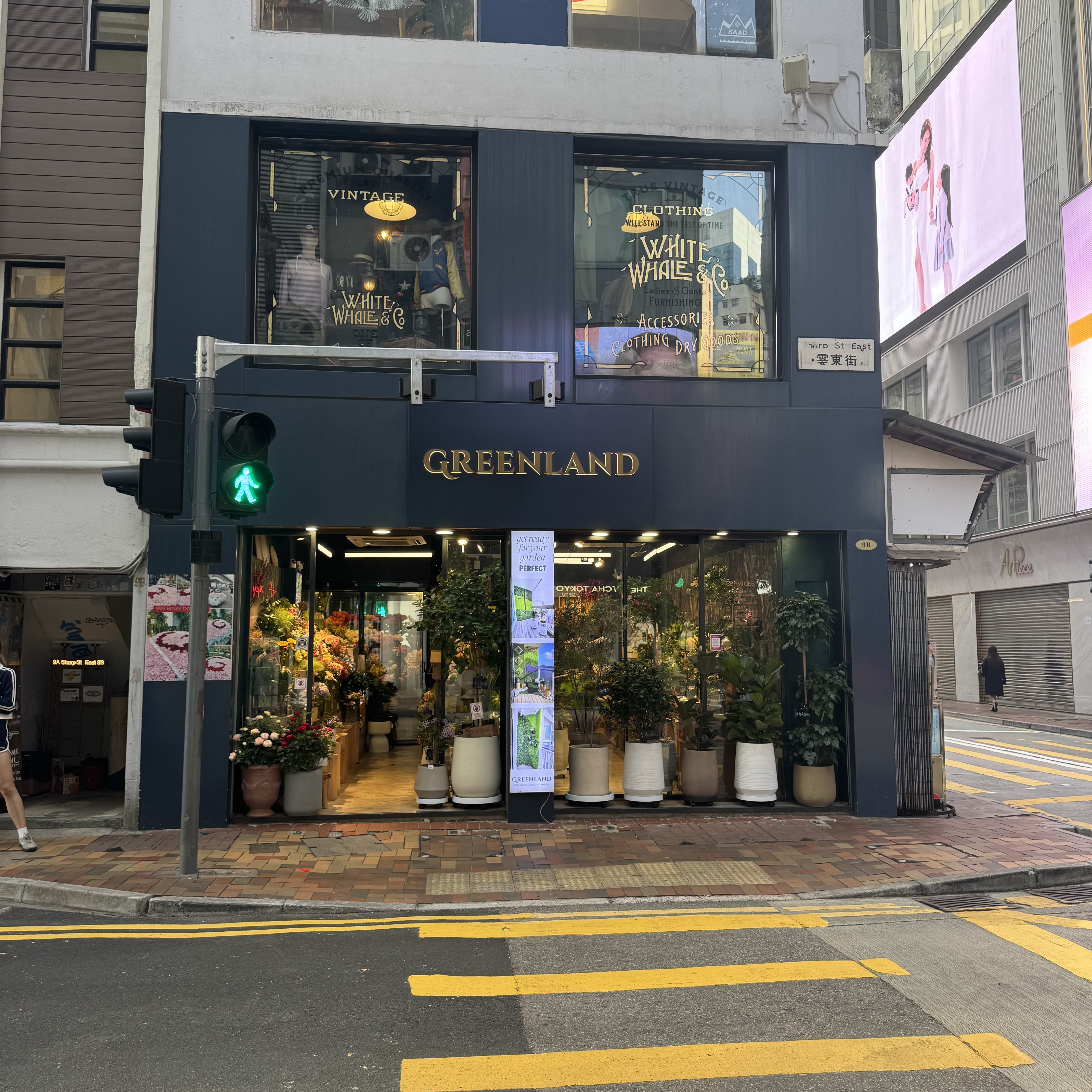
- Greenland is a floral and plant specialty store located at 9B G/F Sharp Street East, Causeway Bay, Hong Kong (Credit: Zishu Wei)
-
- Codalab Accessory located at Ground Floor, No. 477 Hennessy Road, Causeway Bay, Hong Kong (Credit: Zishu Wei)
-
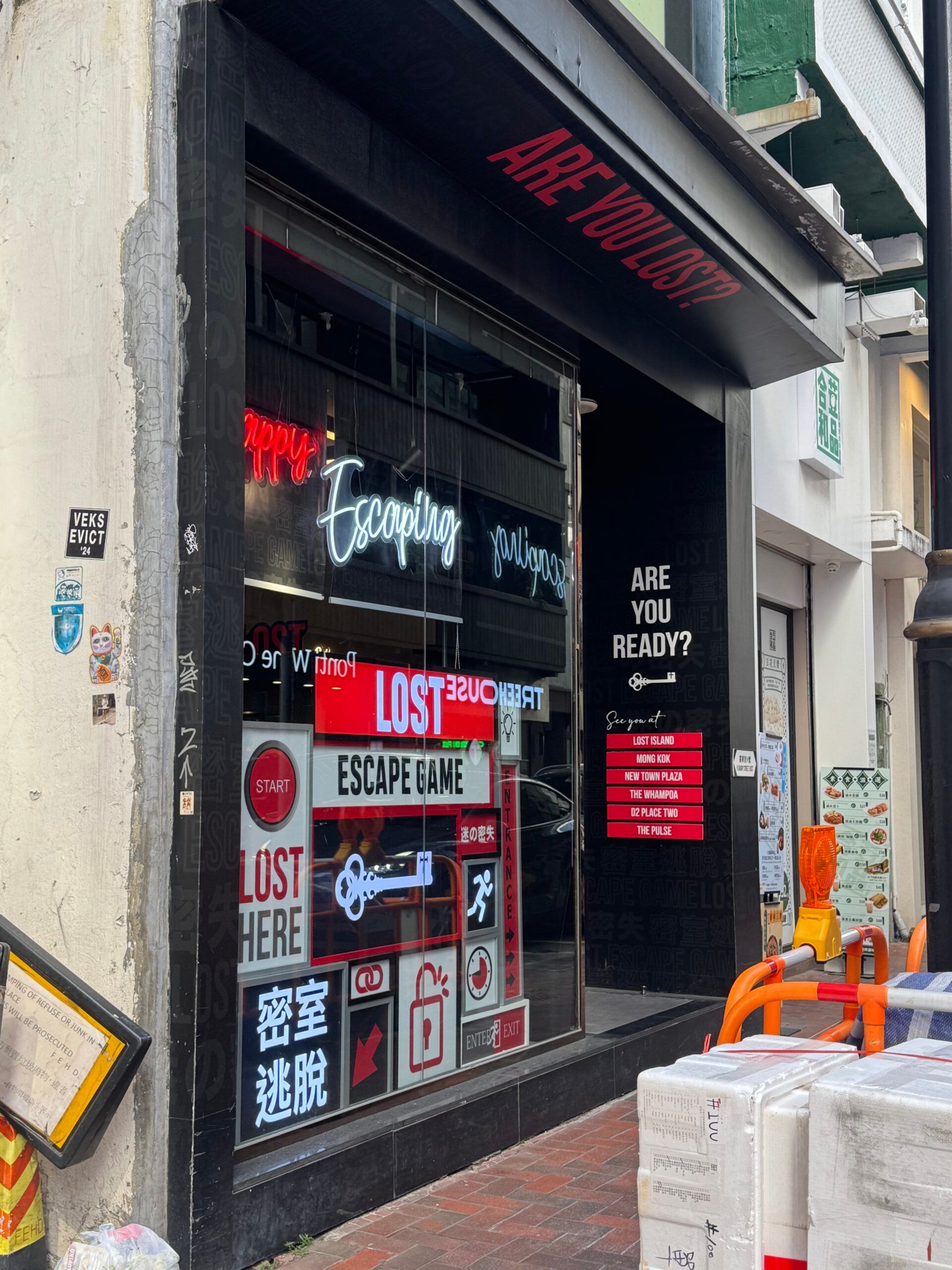
- LOST Causeway Bay, escape room located at 6 Sharp St E, Causeway Bay, Hong Kong (Credit: Zishu Wei)
-

- Maskology Living located at Causeway Bay Hysan Leighton Centre Shop G07, Leighton Centre, 77 Leighton Road, Causeway Bay, Hong Kong (Credit: Zishu Wei)
-
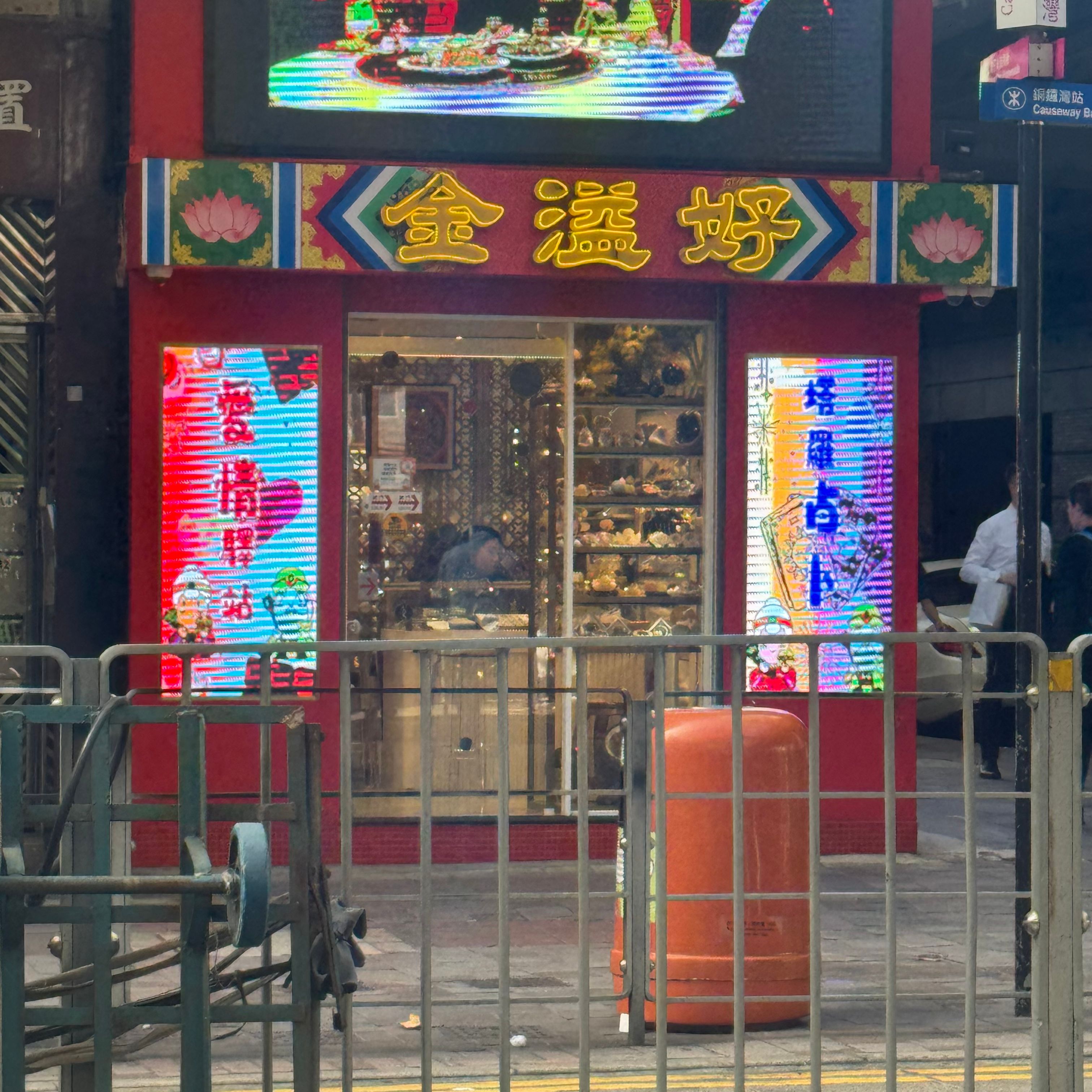
- Feng Shui Supplies Store located at 429 Lockhart Road, Chi King Court, Wan Chai, Hong Kong (Credit: Zishu Wei)
-
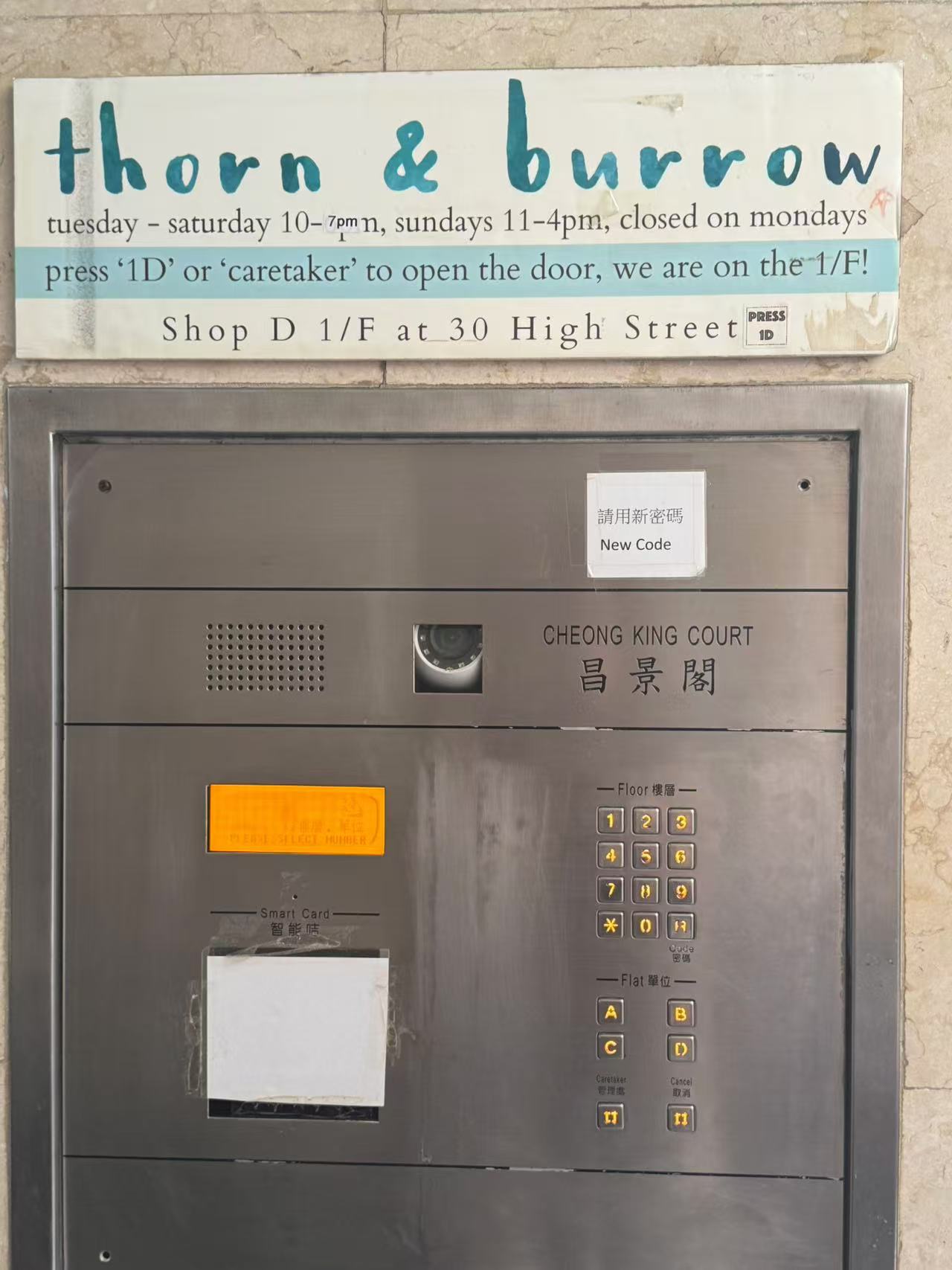
- Thorn and Burrow: Homeware and Lifestyle Store located at 1/F, 30 High St, Sai Ying Pun, Hong Kong (Credit: Zishu Wei)
-
- Bollot: A re-imagining of a neighbourhood ‘dive’ bar, located at 66-68 Catchick Street, Kennedy Town, Hong Kong (Credit: Zishu Wei)
"I love it, it's everything I enjoy doing, it's more passion than business" - Thorn and Borrow
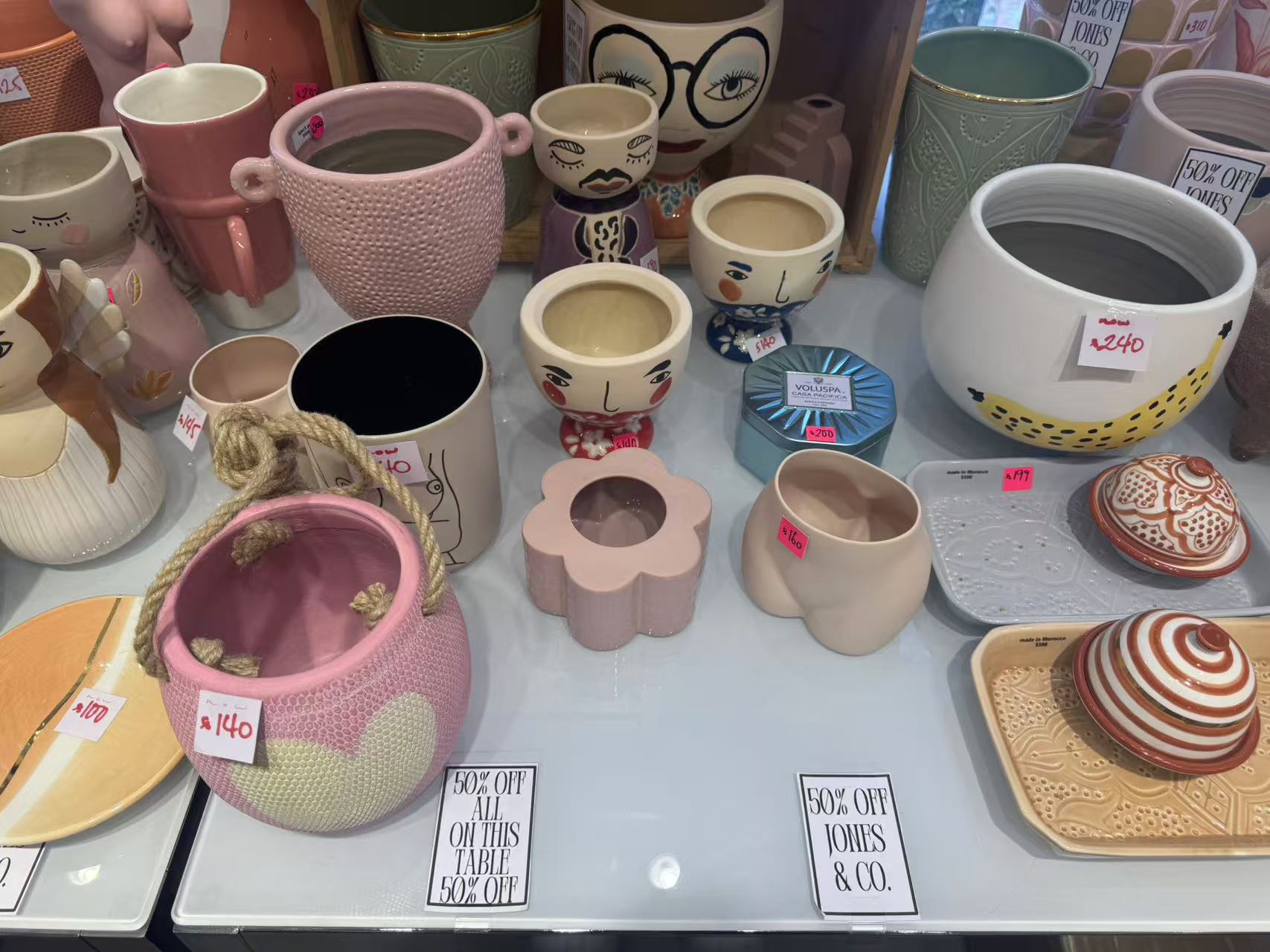
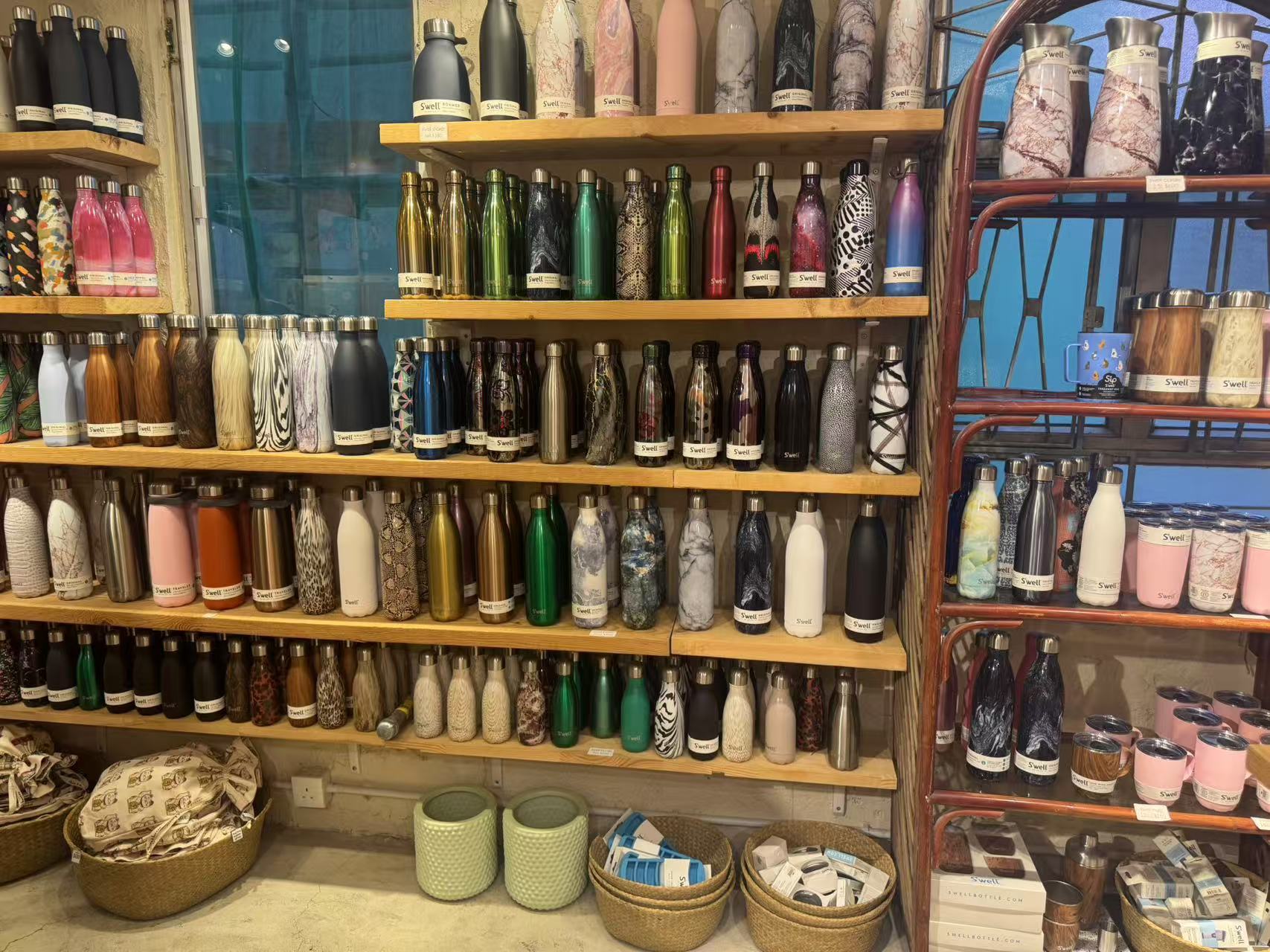
On the mid-level escalator in Sai Ying Pun, you’ll find playful murals directing visitors to Thorn and Burrow, a store that’s an adventure to be discovered only by those who are patient enough to look for it. The elevator door opens with a ding on the second floor, revealing a handwritten wooden sign on the pale gray wall that reads Thorn and Burrow, and when you push open the glass door, the wind chimes jingle and the warmth of the woodsy scent greets you. On the shelves, handmade Japanese cast-iron kettles glow matte, Scandinavian stoneware plates are piled high, and in the corner, enamel pins by local Hong Kong designers gleam in the spotlight.
This upstairs boutique, a haven for slower-consumerism, has spent a decade weaving a web between niche artisans and urban life. Leaning against the counter, owner Ada quietly checks newly arrived stock and says, “Our location is extremely hidden—customers have to come upstairs to find us. So, getting people to climb up is an ongoing battle.”
Not everyone wants to climb a flight of stairs for a spoon.
The store’s original ambition is hidden in its name: “Thorn and Burrow” is a metaphor for the sting of exploration and the thrill of discovery. 2013, fresh out of college, Ada gave up her architecture degree and used her savings to rent a two-bedroom first floor shop in Sai Ying Pun. storefront in Sai Ying Pun. “Back then, home furnishing stores in Hong Kong only sold IKEA-style basics or luxury imports. She flew to Tokyo, Copenhagen and Lisbon, sourcing handmade ceramics, linen tablecloths and brass candlesticks from markets and ateliers, then collaborated with local illustrators on customized postcards. For the first three years, the elevator dinged and dinged on weekends, carrying customers to the specialty store. “Some customers even came from Shenzhen and called us ‘the physical Etsy’.”
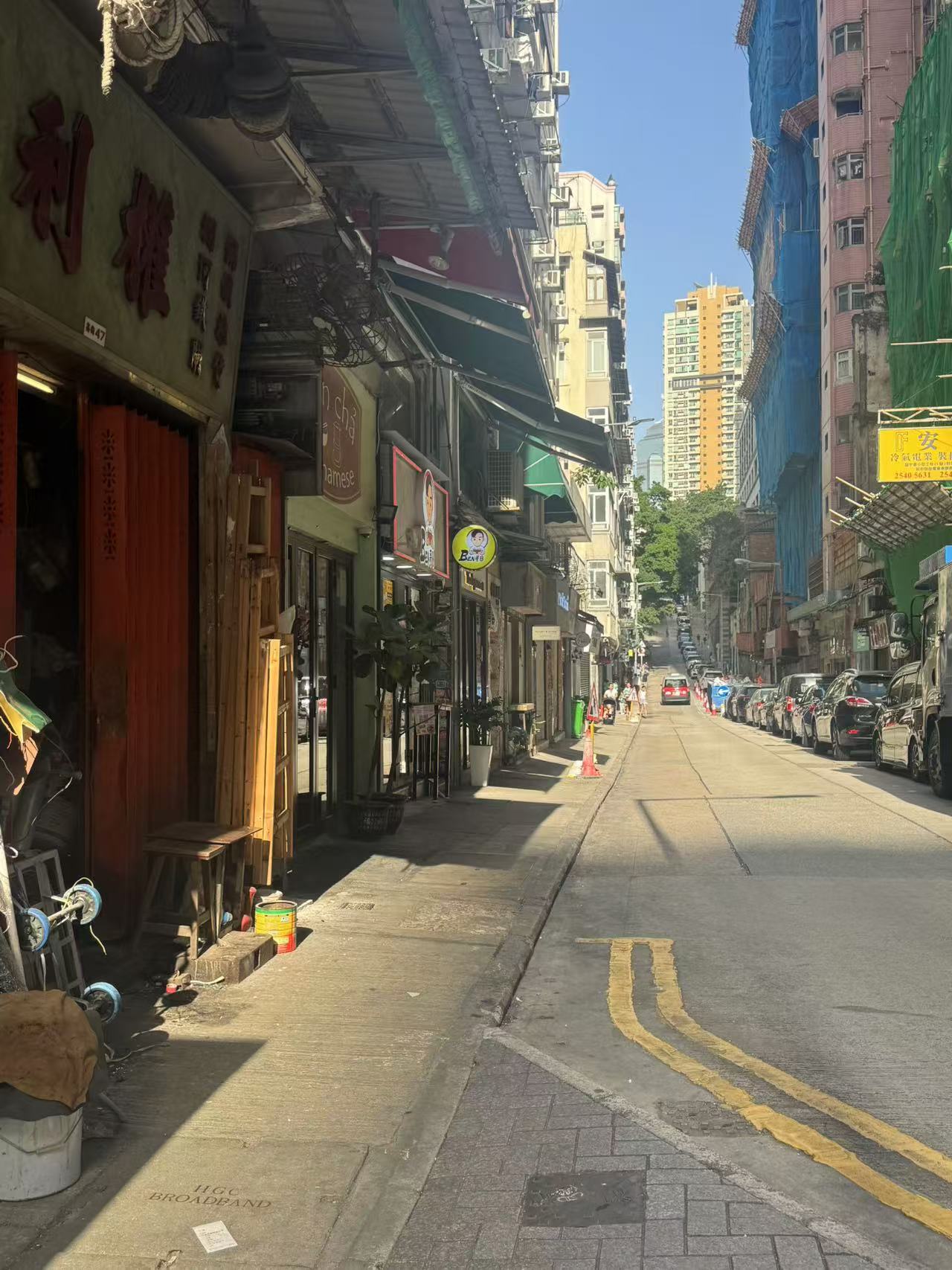
Then came 2020. After the outbreak, tourists disappeared and locals shunned the enclosed space. The shortcomings of the upstairs location became fatal-“No one would come to a store that wasn’t on the street to buy spoons,” Ada sighs. To pay the high monthly rent, she had to close another room on the first floor and squeeze her stock into the 80 square meters of space on the second floor. The aisles have shrunk to 45 centimeters; Kyoto wind chimes jingle every time a customer turns around-“forced interactive Easter eggs,” she calls them. But the real pain was the loss of collaborators: seven of her 12 local artisans had gone on to run Uber or sell insurance. “The day I cleared out, I put a ‘thanks for the company’ goodbye note on the glass door. It was like losing a loved one.”
“According to the Hong Kong Federation of Small and Medium Businesses, even after the pandemic, nearly 70% (69.9%) of SMEs reported a decline in revenue compared to pre-pandemic levels, with less than 5% (4.4%) indicating any growth in business turnover.”
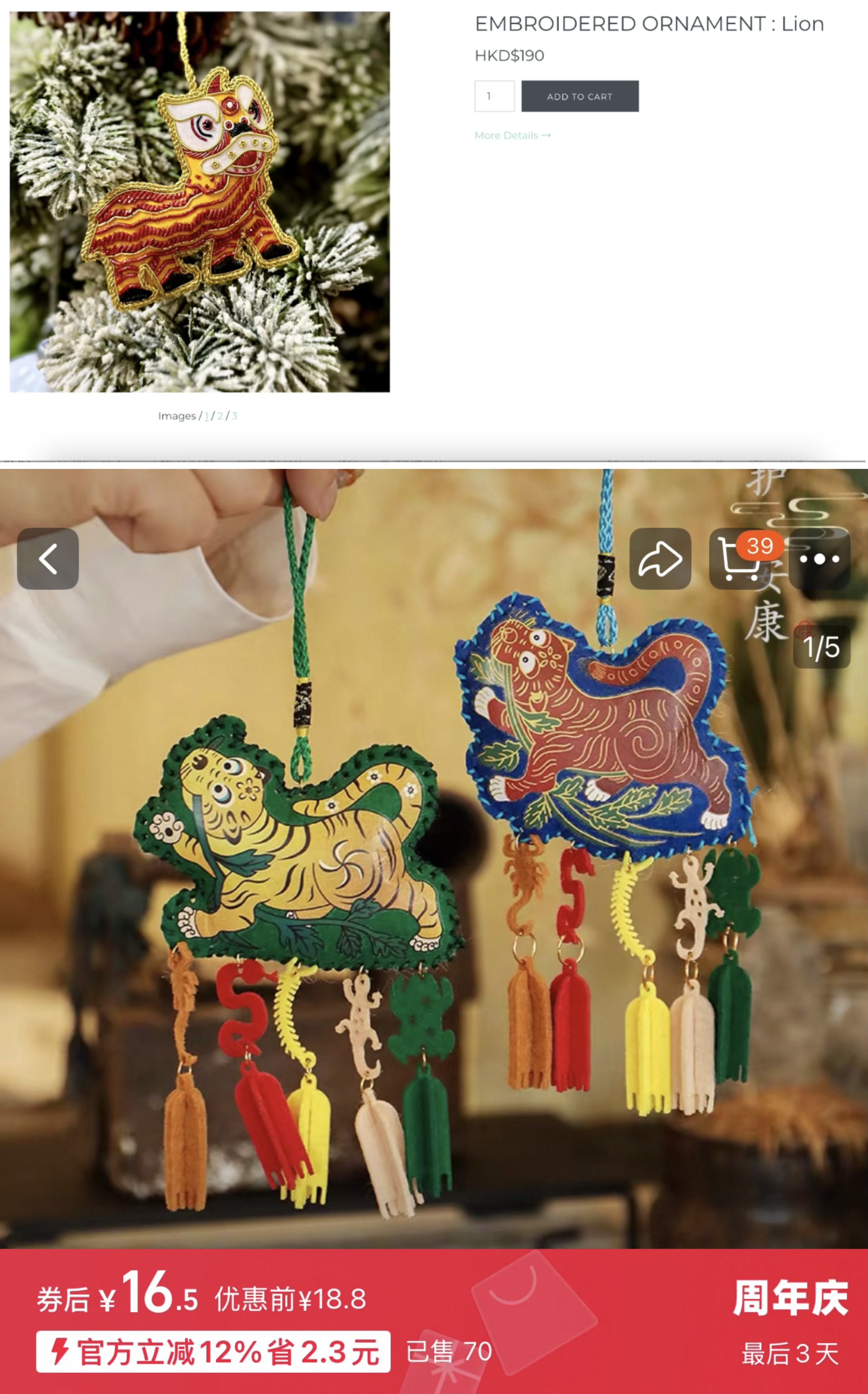
With no government assistance in sight, Ada launched the Tactile Rescue Program on Instagram. She took close-up shots-fingers running over grit on pottery, linen braid, rust on a cast-iron kettle-with the caption, “Some warmth can’t be transmitted through pixels.” Each product link hides an “offline coupon”: touch the item in the store for a secret discount.” Online is the prescription pad, brick-and-mortar is the antidote.”
This strategy has boosted digital sales, but Ada adheres to a “blocking rule”: hot items are sold offline first.” A customer from Shenzhen once traveled to feel the texture of a wool blanket. She said online shopping is like a blind date, and touching is falling in love.”
A survey by the Hong Kong Small and Medium Enterprises General Association shows that more than 70% of enterprises are willing to carry out digital upgrading, and some of them have increased the proportion of online sales through WeChat mini-programs and live broadcasting.For example, Sa Sa achieved counter-trend growth through small programs and live broadcasting, increasing the proportion of online sales to 30 percent.
However, there are many store owners who believe that brick-and-mortar stores still need to exist. James Assersohn, director of retail at Jones Lang LaSalle Asia Pacific, argues that despite the growing need for investment in technology, this does not mean that e-commerce will put physical stores out of business. Having an online platform is important for any retailer, but online shopping can never replace the experience and pleasure of shopping in a physical store,” he said.
Unexpected pricing: the price of uniqueness
“Our prices are 3 times those of Taobao, but every penny feeds true craftsmanship.” Ada holds up a pair of crackle-glazed mugs with “2024 – the only pair on earth” engraved on the bottom.” Even ‘on sale’ items are barely comparable in price to Taobao. Such a principle is becoming a luxury. As rents soared, Ada cut costs in other areas, but there were some things that couldn’t be costed, and their existence defied the laws of economics.
A jar behind the counter was piled high with handwritten letters. The most crumpled one is from Mrs. Chan in Sham Shui Po: “My son got into art school with a German pencil he bought here. He says the wood grain here tells stories.” Because of stories like these, Ada still stocks discontinued items, even though they are dusty.” Some things shouldn’t disappear, like a streetlight that should never go out.”
At dusk, she often stands by the cluttered windows and watches the escalators carry a sparse stream of customers upward. Across the street, an LED billboard flashed the words “Closing Sale,” while Thorn and Burrow’s display case glimmered under a Showa-era lamp – cracked glass inlaid with gold lightning bolt-shaped giltwood. As if to say Perfection is fragile, imperfections last forever.
Survival Guide: connecting clouds and finger tips - The Lost
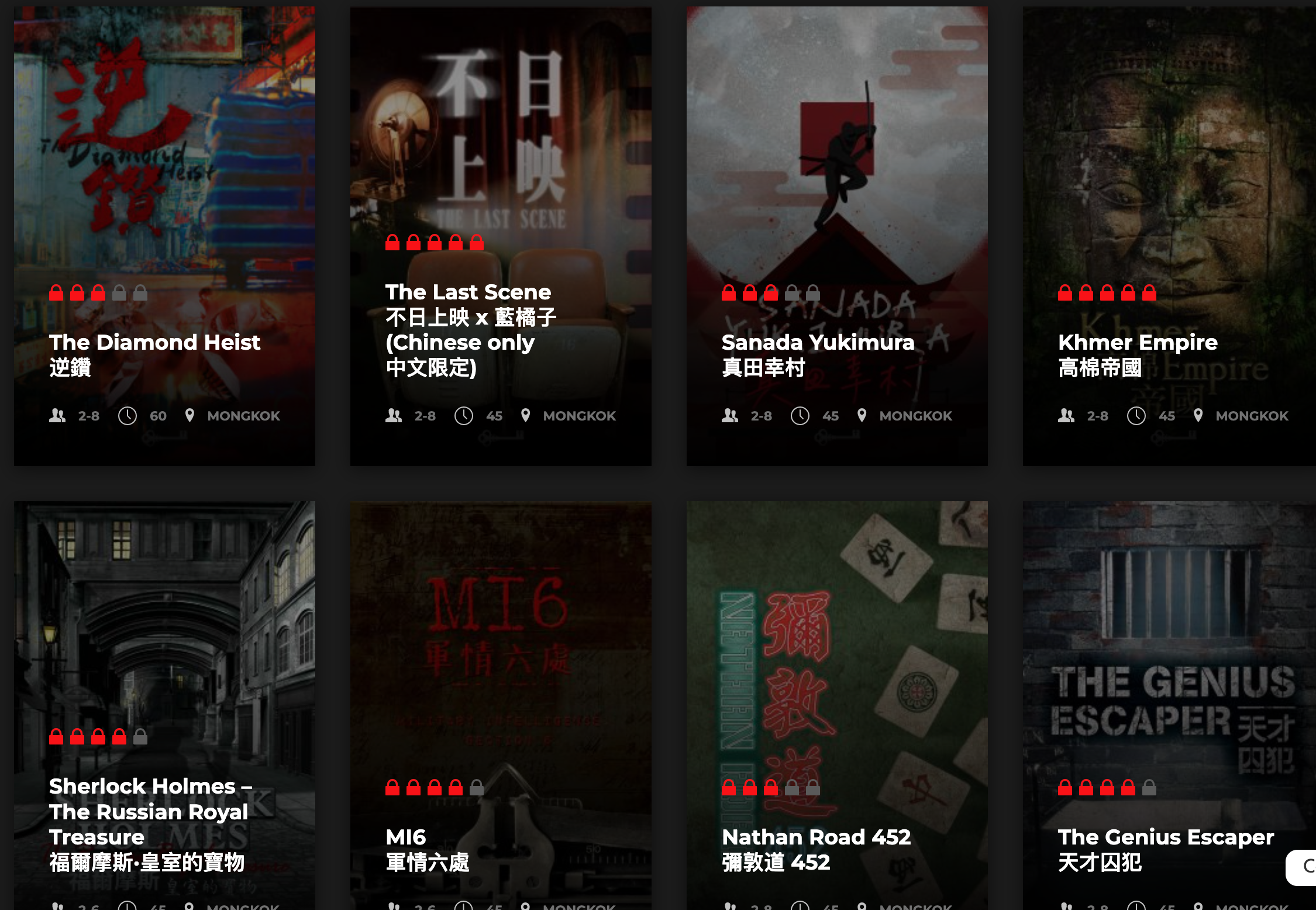
When a cancer survivor leaves a wig as a souvenir in a puzzle box, when a high school club chips in to buy 30 tickets to a “rebirth party” for a depressed tutor, when a divorced couple of five years remembers the code to a safe by cracking the wedding day. –In the Causeway Bay “Are You Lost?” ‘s surveillance room, faded walkie-talkies record these moments that algorithms can’t compute. Owner YT NG pulls up a database of players in 2023, and the cursor stops on a line of encrypted tags: “Subject: Doomsday Bank Doomsday Bank; Passing Time: 47 minutes; Hidden Plot: Marriage Repair Progress +30%.”
“Escape rooms were never just playgrounds, but memory safes for urbanites.” YT strokes the mechanical lock from when the first store opened in 2013, with Escape room engraved on the cylinder, an initial memory. “A family member of an Alzheimer’s patient once chartered the store to help the old man rebuild his memory map using clues from the 100 cabinets of The Chinese Medicine Room Mystery – they later sent a photo of the old man clutching the clearance certificate as if it was the last piece of his time that hadn’t been stolen.”
Global jigsaw: stitching up Hong Kong cracks with overseas profits
“Pricing in Hong Kong outlets is 10-20% higher than overseas, at three times the cost of others.” On YT’s global income and expenditure statement, the Singapore and Manila outlets hang like two steel cables on the survival scale of the loss-making local outlets. This is not a simple business strategy, but a complex spatial game: the Shinsaibashi store in Osaka, with a monthly rent one-fifth of that of the Causeway Bay store, replicates the cast-iron prison gates of the “Victoria Prison” theme; while the team in Kuala Lumpur is customizing the script of the company’s “Financial Crisis Escape,” Hong Kong shopkeepers are dismantling the parts of the Tuen Mun store and then sent overseas, “saving organ parts Hong Kong sales clerks are dismantling organ parts from the Tuen Mun store and sending them overseas, “saving enough storage fees to pay for half a month’s air-conditioning for the Yuen Long store.”
Over the past decade, store rents in Hong Kong have soared much faster than the growth in SMEs’ revenue, and high operating costs have squeezed profit margins. Meanwhile, the twin blows of social unrest and epidemics have led to a sharp decline in tourism and weak local consumption, further deepening the existential crisis.
“In 2024, the total number of retail property leasing transactions in Hong Kong’s four major commercial districts—Central, Causeway Bay, Tsim Sha Tsui, and Mong Kok—plummeted by approximately 322 deals compared to 2023. The total transaction value also dropped sharply, decreasing by over HK$89.76 million year-on-year, a decline of about 40.3%. Overall, retail leasing activity in these areas has performed worse than even the pre-reopening period (2021), with transaction volume and value falling by 34.2% and 34.7%, respectively, compared to that year.”
“Raising a store is like raising a child: prevent fever, prevent drowning”
The birth certificates of the six branches hang on the wall of the office – Causeway Bay is the “first daughter”, Mongkok is the ‘second daughter’, the “second son” is the “second son”. yt conducts monthly “health checks”: injecting asthma-based lubricants into the aging ventilation system of the Yau Ma Tei branch, replacing the Sham Shui Po store’s replacement of the “broken joints” of gear locks. “During the 2020 rainstorm season, the papyrus puzzle in the ancient Egyptian chamber at the Repulse Bay store was flooded to mush, and the cost of repairing it would have been enough to open a new store in Bangkok.” Surveillance footage shows him crouching to salvage the pulp with a hair dryer, with scorch marks around the edges jokingly dubbed the “Nile Sunset Limited Edition”, and “Can you abandon your child because he has a fever?”
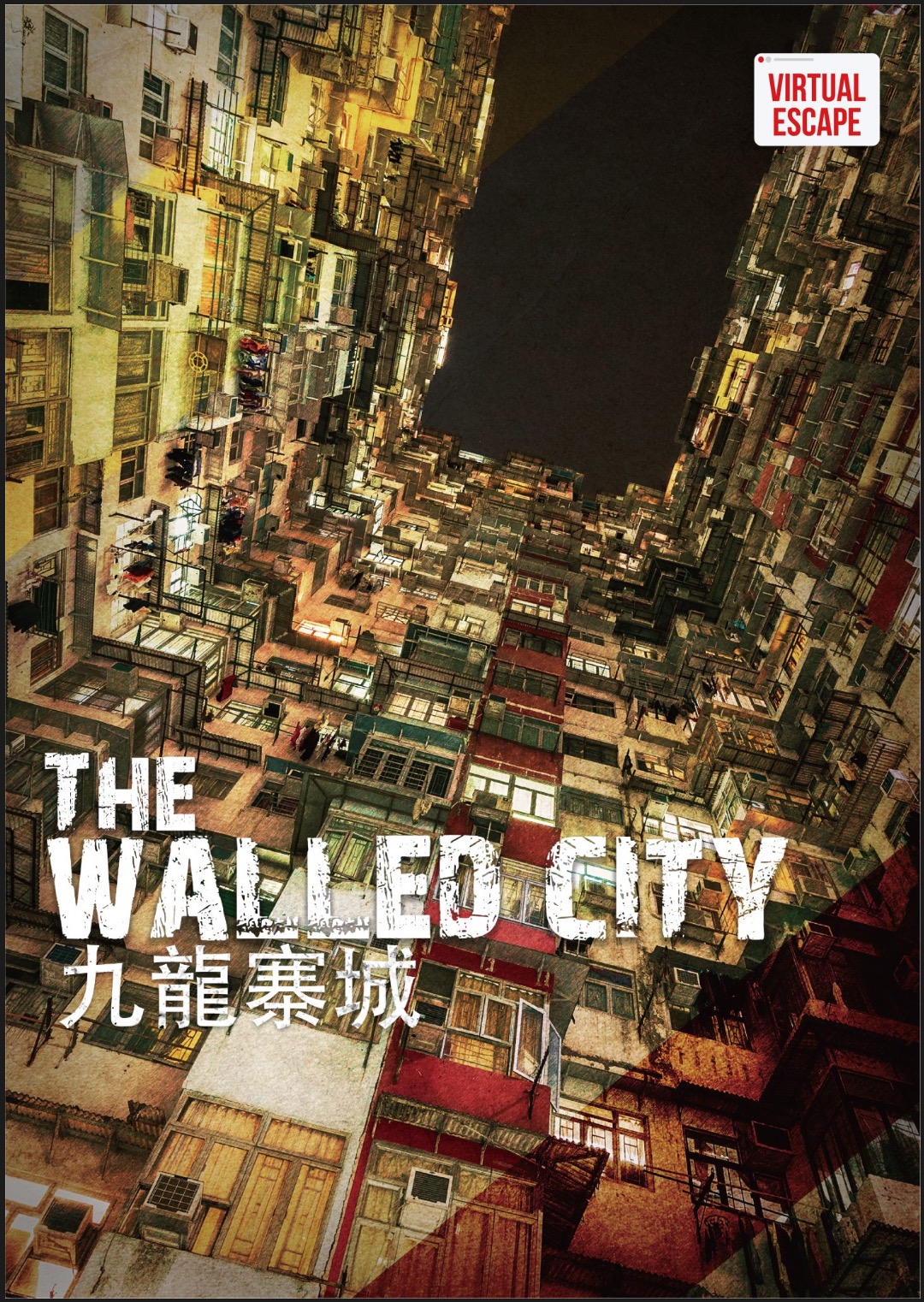
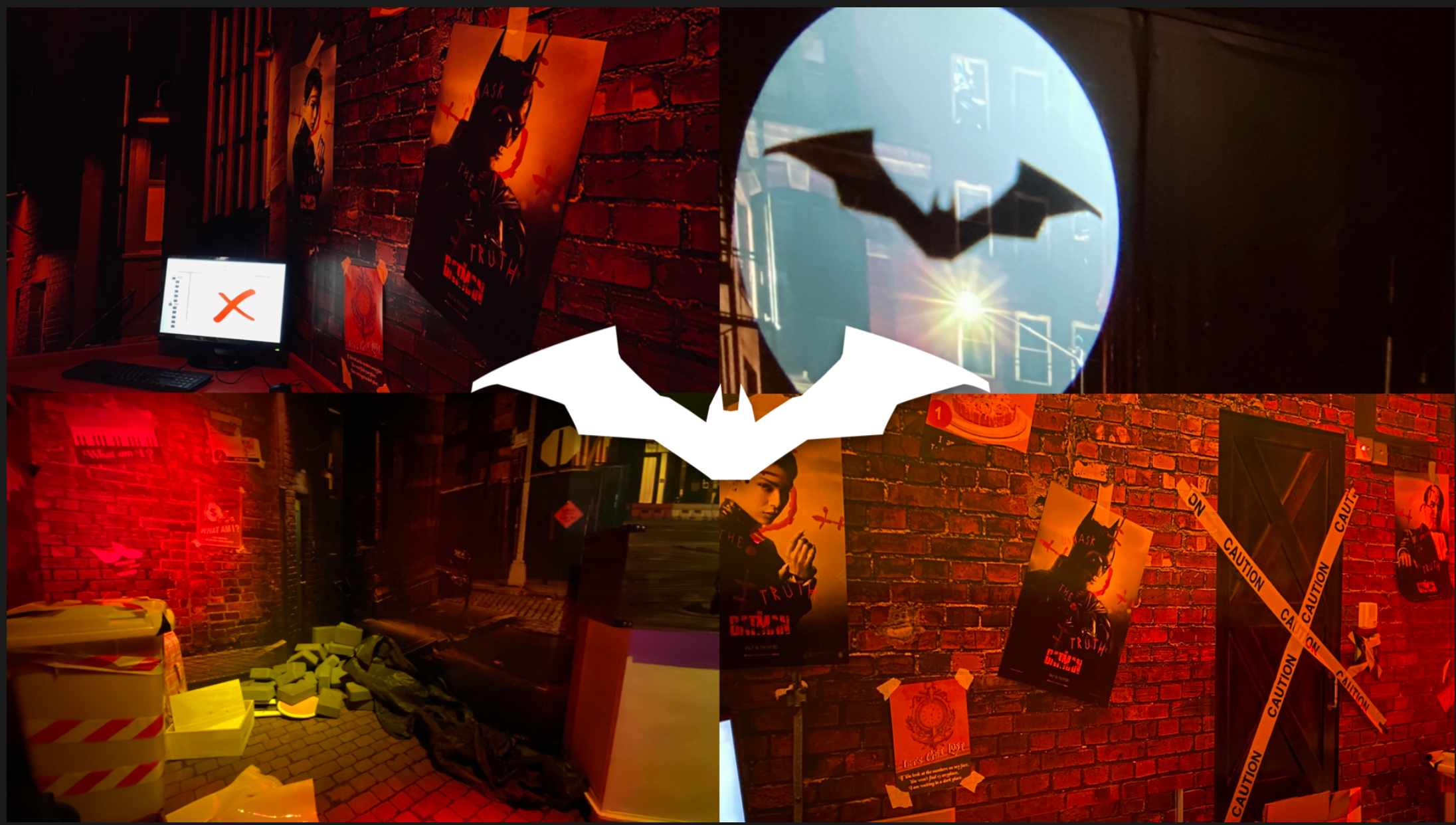
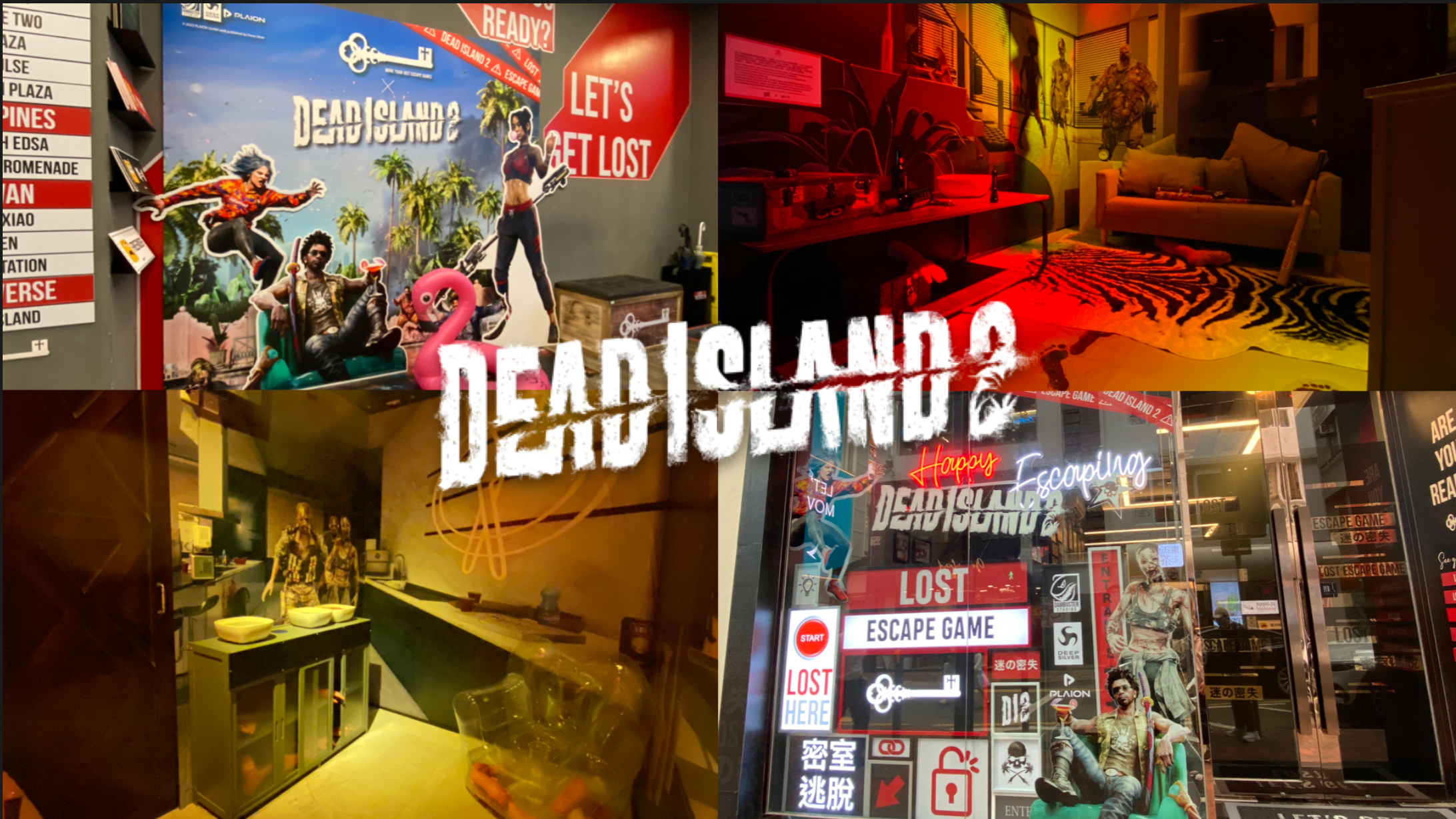
The Hong Kong branch has a much lower profit margin than overseas, but the emotional retention rate of players is exceptionally high. The secret is hidden in the official website’s “LOST2024” password page — an unsigned message reads, “In the secret room at 97 Nathan Road, we found our daughter’s favorite strawberry hairpin before she disappeared. Although the store in reality has closed down, at least here she lives forever on that virtual street.”
In the twilight, YT gazed at the surveillance footage of that store in Repulse Bay: five high school students scrambling to put together the stone slabs, and the neon sign in the window that said “Yoshi’s Store for Rent” tinting the exit lights blood-colored. “The rent went up 300 percent, but something has to be more alive than the numbers.” He presses pause, and in the glass reflection, the figures of cheering players overlap with the advertisement for rent on the corner, like a double riddle about urban survival.
The Economics of Alcohol : Calculating the Probability of Survival in the Shaker - Blotto
The cheapest “life-saving dice” on the 2024 wine list at Blotto’s in Kane’s Landing, made with expiring gin and convenience-store lemon tea, and rimmed with expiring coarse salt, is owner Austin’s first-aid plan to deal with the skyrocketing number of bars and plummeting number of customers. Seven years ago they wove illusions of liquid nitrogen fumes with edible gold leaf without thinking about the ingredients or cost of the food, and now the back kitchen freezer is labeled with the warning, “Not a single piece of ice should be wasted.”
“All the bars in Hong Kong are playing cost-shrinking.” Zelia flips through her coffee-stained purchase order: Thai limes are replacing the French variety (lower cost), recycled wine bottles are being used to grow herbs (saving 800hkd a month on potting), and coasters have switched to misprinted, discarded cardboard, which is eco-friendly and special. “When the supplier said last week that absinthe was going up another 15%, I poured a sample on the ledger on the spot – look, does the stain look like a countdown to bankruptcy?”
CARD GAMBLING: Extend survival with table games area
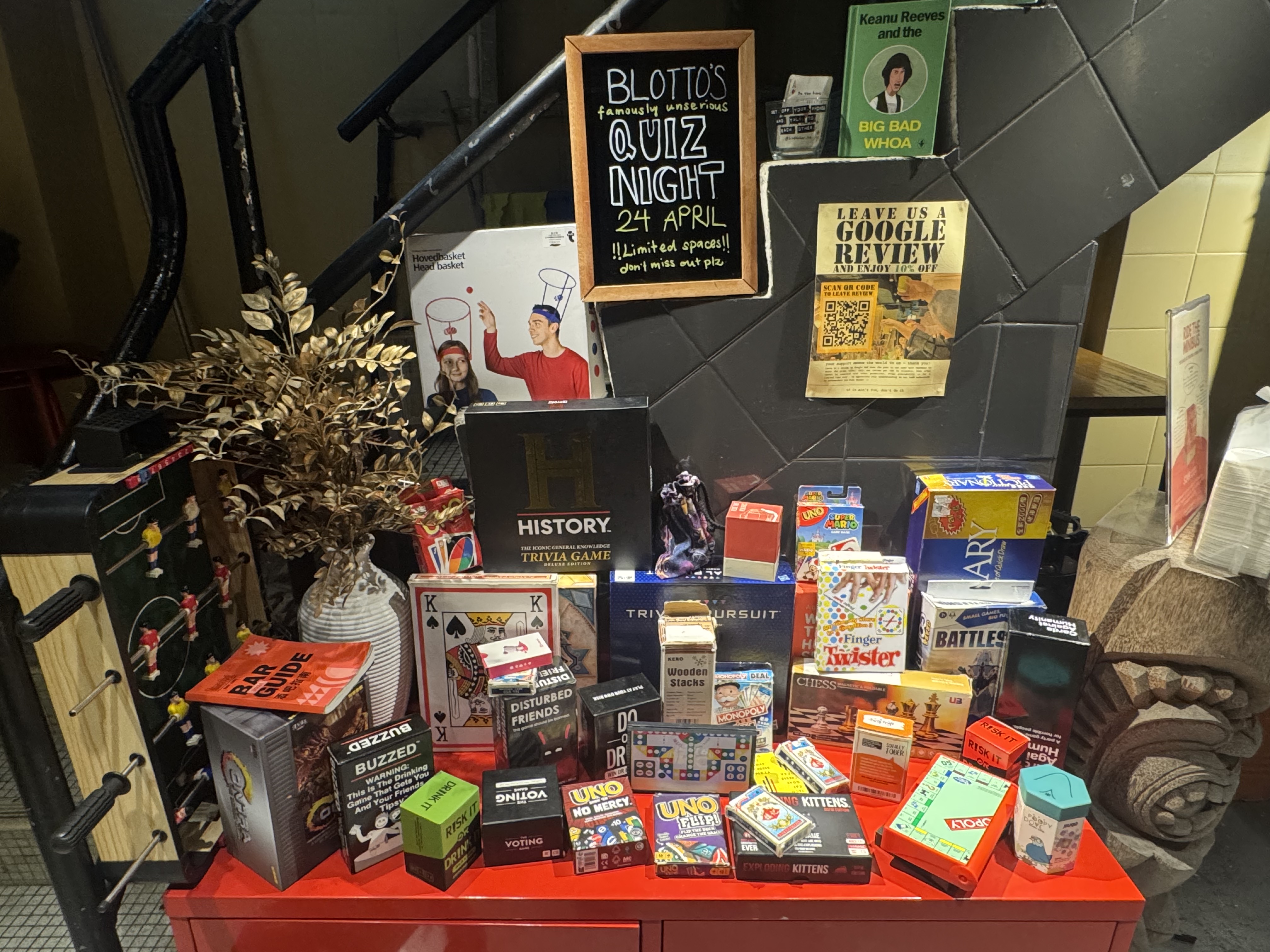
To combat declining traffic, Blotto has transformed its bar into a “table of destiny” – each table is embedded with table game card slots, which can be played with a randomized pack of cards by ordering a drink. Customers who win a card game can redeem it for a hidden specialty. “It’s like we’re running a real-life version of Monopoly.” Austin cranks out the numbers: with the addition of the card area, customers stayed longer, from 1.2 hours to 2.7 hours, and alcohol consumption increased by 40 percent.
The cost is space pared down to the bone – wine racks spaced so that you can only pass sideways, and “Scan the code to download the electronic wine list, save the paper and save the trees” taped to the restroom door. During a fire inspection, the inspector frowned and pointed to the escape routes covered with board game maps, Austin laughed bitterly: “Either we bet on the customers getting drunk first, or we bet on the fire coming later.”
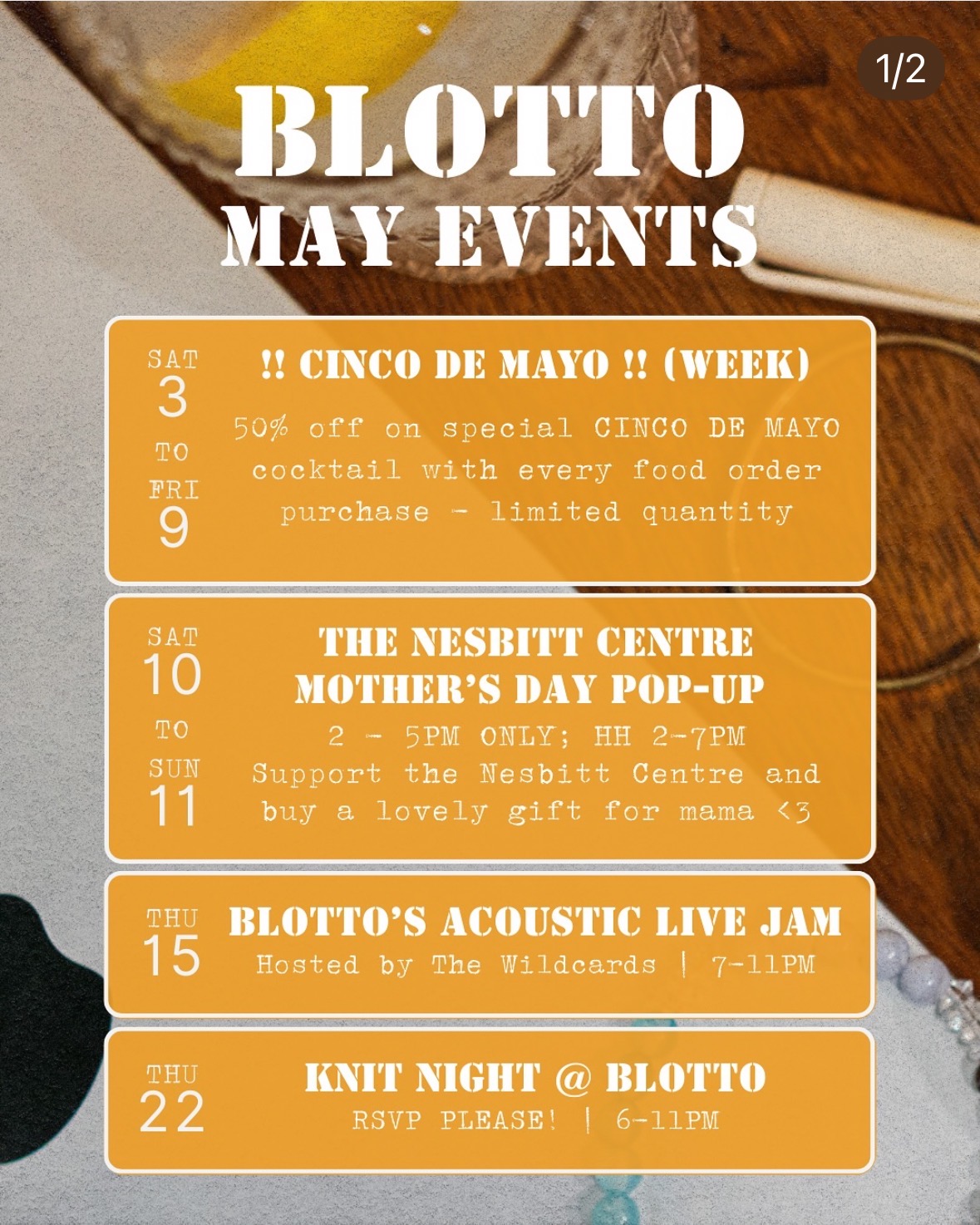
Instagram Alchemy: Brewing Pixel Dots into Hong Kong Dollars
Zelia’s cell phone album holds 487 scraps – spilled glasses, blurred lampshades, the defocused side faces of customers. It’s a series of “imperfect aesthetics” she curated for Instagram, with a caption that reads, “Truth is more intoxicating than filters.” Each post contains Morse code clues that can be deciphered in exchange for a free snack at the store.
This “pixel alchemy” has boosted online conversions by 28 percent, but at the cost of Zelia’s sleep – she replies to private messages at 3 a.m. every day, using emoji codes to agree on “smuggling hours” (off-peak hours) with her regular customers. “(a secret discount for off-peak hours). When she mistakenly posted the “smuggling menu” to her public account, prompting 200 inquiries, she made the mistake of launching a flash mob: “Since I can’t hide it, I’ll turn the loophole into an egg.”
Ghost employees and atomized operations
Bartender Keith’s schedule is a quantum mechanical map: he’s a janitor on Mondays ($58 an hour), doubles as an accountant on Wednesdays ($75 an hour), and transforms into a magician on the weekends (who draws a cut on tips). Tucked under the bar is his folding bed – Blotto’s invention to combat the “overnight shift allowance.” “We’re more convenience store than 7-11.” Keith laughs to himself as he wipes his glass, “Even the cockroaches know I lived here before them.”
When the government promoted the “Night Economy 2.0” program, Blotto did the opposite: cut 40 percent of the seating capacity, stopped serving free peanuts, and even removed the bathroom mirrors (to prevent customers from taking selfies and lingering). The latest killer is “darkness therapy” – after turning off 80% of the lighting, the average customer’s stay was shortened by 23 minutes, and the speed of drink consumption increased by 1.7 times.
“It’s the singularity of Hong Kong bars.” Austin checks for counterfeit bills under an ultraviolet light – an acquaintance paid with photocopied Hong Kong dollars, and the security watermark was actually hand-drawn. “When survival becomes art, every decision is performance art.” He confiscates the counterfeit bills but leaves copies to paste on the title page of the 2024 ledger: a modernist graffiti painted in deficit.
Unbound Pages and Eternal Streetlights
In the second-floor window of the Sai Ying Pun tenement building, Thorn and Burrow’s Showa table lamp is still lit, the cracked glass patched with gold paint in the shape of a lightning bolt.Ada caresses a handwritten letter left behind by a customer, softly repeating the words that have been said countless times, “Some things shouldn’t go away, just like the need for a light on a street corner to always be on.”
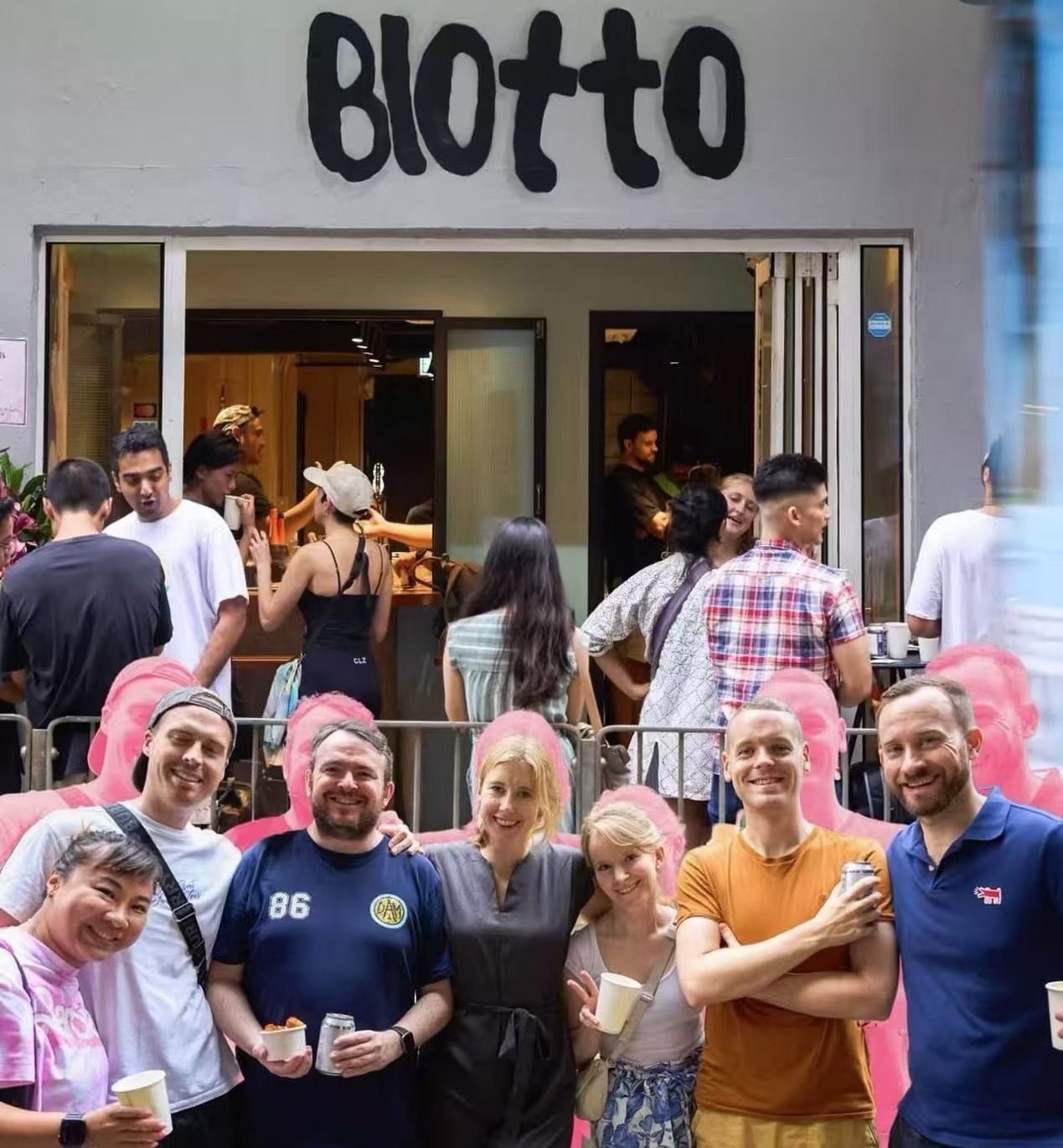
The sea breeze from Kennedy Town rolls through Blotto’s half-hidden door as Austin drops the last of his homemade ice cubes into the shaker and turns his head to smile at his drunken acquaintance, “Remember? I told you this isn’t a bar-”
“It’s our second home!” Several voices picked up on this at once, mixed with the soft sound of ice cubes crunching at the bottom of the glass.
In the night, the neon sign of “Gee’s Store for Rent” is still on the corner, but there are always some lights that refuse to be folded into the digital folds of the ledger.