

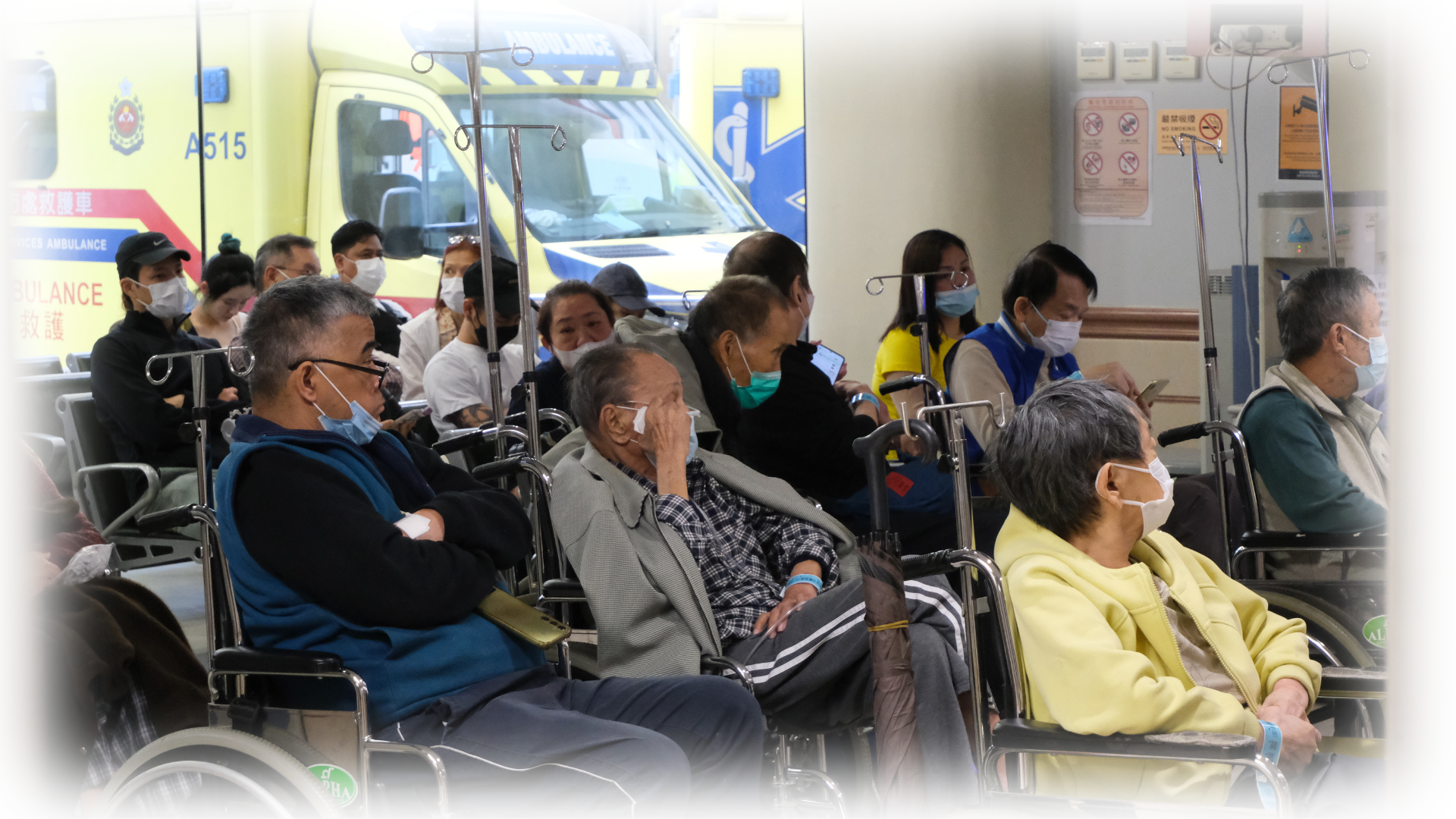
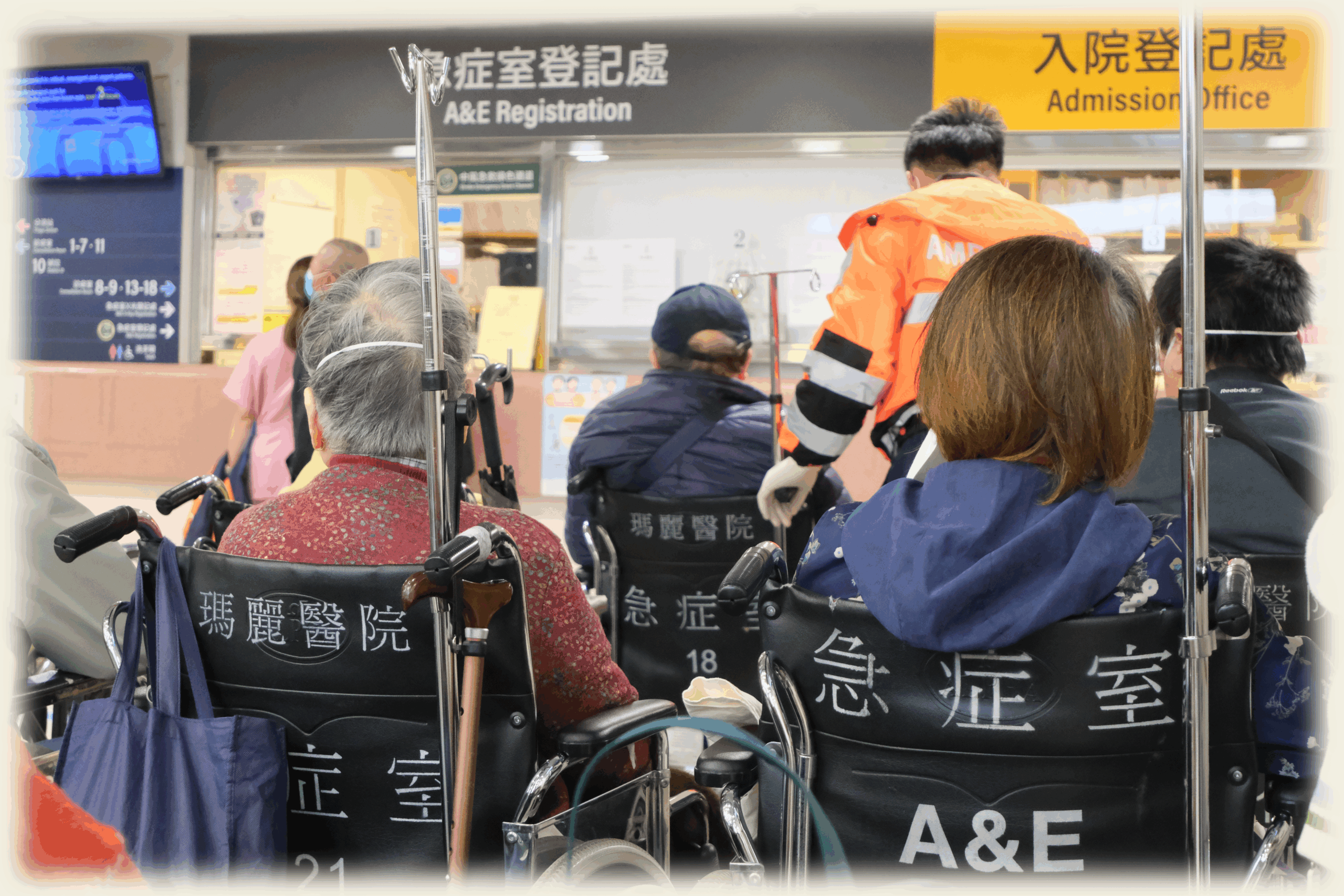
Emergency room at Queen Mary Hospital, Hong Kong. (Credit: Wu Yufei)

Sin Yin-yee
Sin first underwent a colonoscopy two years ago under a government-funded screening program in Hong Kong. But follow-up care was disrupted during the pandemic.

Unwilling to wait and unable to afford private hospital fees, Sin managed to secure an appointment at HKU-SZH by phone just a week in advance.
Sin is among a growing number of Hong Kong residents seeking medical care on the mainland, attracted by shorter waiting times and lower costs for consultations and medication.
Official figures show that in 2024, the proportion of Hong Kong patients at HKU-SZH tripled year-on-year, accounting for 16% of all outpatient visits, while their share of inpatient cases rose to 11%.
For 35-year-old mainlander Huang Huiwei, who is married to a Hong Kong resident, the choice came down to affordability and easier communication.
Last year, Huang paid HK$ 2,000 for an initial consultation for anxiety in Hong Kong. She was told she needed some drugs which would cost her over HK$ 1,700 per month.
Unable to afford it, she turned to Shenzhen, where the same medication costs just 400 yuan per month, less than a quarter of the Hong Kong price.

While traveling in Japan over the Lunar New Year, Huang suffered a panic attack. She messaged her doctor immediately and received timely support. Since then, her psychiatrist has continued to adjust her medication and checking in regularly.

A month earlier, Leung had been diagnosed with pancreatitis at Shatin Hospital and told that further tests and treatment could take up to three months. Hoping for quicker care, he decided to seek treatment in Shenzhen.

Yu Yang, who began working as a private escort last year, said half of her clients are from Hong Kong. Most people seek her services because they need someone to accompany them after undergoing anesthesia for procedures like colonoscopies.
Some hospitals have also introduced similar services. HKU-SZH and Shenzhen New Frontier United Family Hospital now offer free Cantonese-speaking escorts. However, demand still exceeds supply.
According to a medical escort intern at HKU-SZH, who asked to remain anonymous, the escort team is currently short-staffed, with only seven part-time assistants and three full-time escorts.

In contrast, Yu’s team offers a more personalized approach, including hospital recommendations, doctor referrals, and direct accompaniment during consultations. “We know the healthcare system here well and understand the strengths of each hospital,” Yu said.
Below is the process for a private escort accompanying a patient.
Yu emphasized the need for regulation in the industry, advocating for standardized qualifications and clearer guidelines. “This work directly affects patients’ safety and well-being,” she said. “In the future, I believe escorts will be required to have certification or relevant medical training.”



Becky Zhou
Unwilling to wait, Becky crossed the border that same afternoon. At Shenzhen People’s Hospital, she received a CT scan, diagnosis, and cast — all within four hours, including travel time.
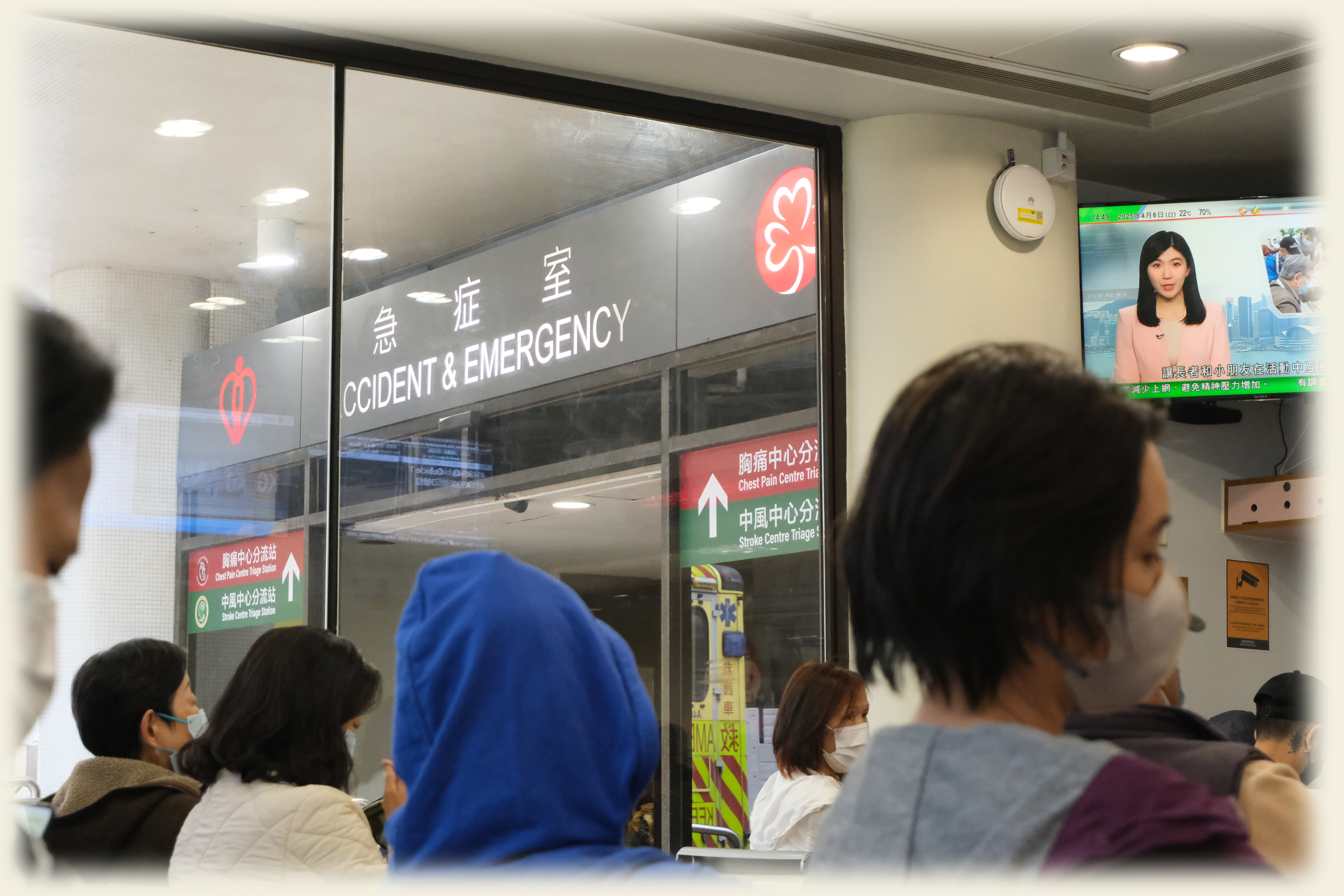
And it’s not just emergency care. Public specialist outpatient clinics in Hong Kong handle about 8 million visits annually, including roughly 900,000 new cases, according to the Hospital Authority in 2024. For first-time appointments for non-urgent conditions, the waiting time can stretch to 10 weeks or longer.
Ko Hung Lung, 49, who recently underwent heart surgery at a public hospital, said he trusts the local system more, even if mainland care is quicker and cheaper.

According to the Code of Professional Conduct, doctors in Hong Kong must adhere to standard treatment protocols. If they choose an alternative approach, their decisions are subject to strict review.
“They’re in Simplified Chinese, and the terms are different. Sometimes I have to search online just to understand them,” she said.

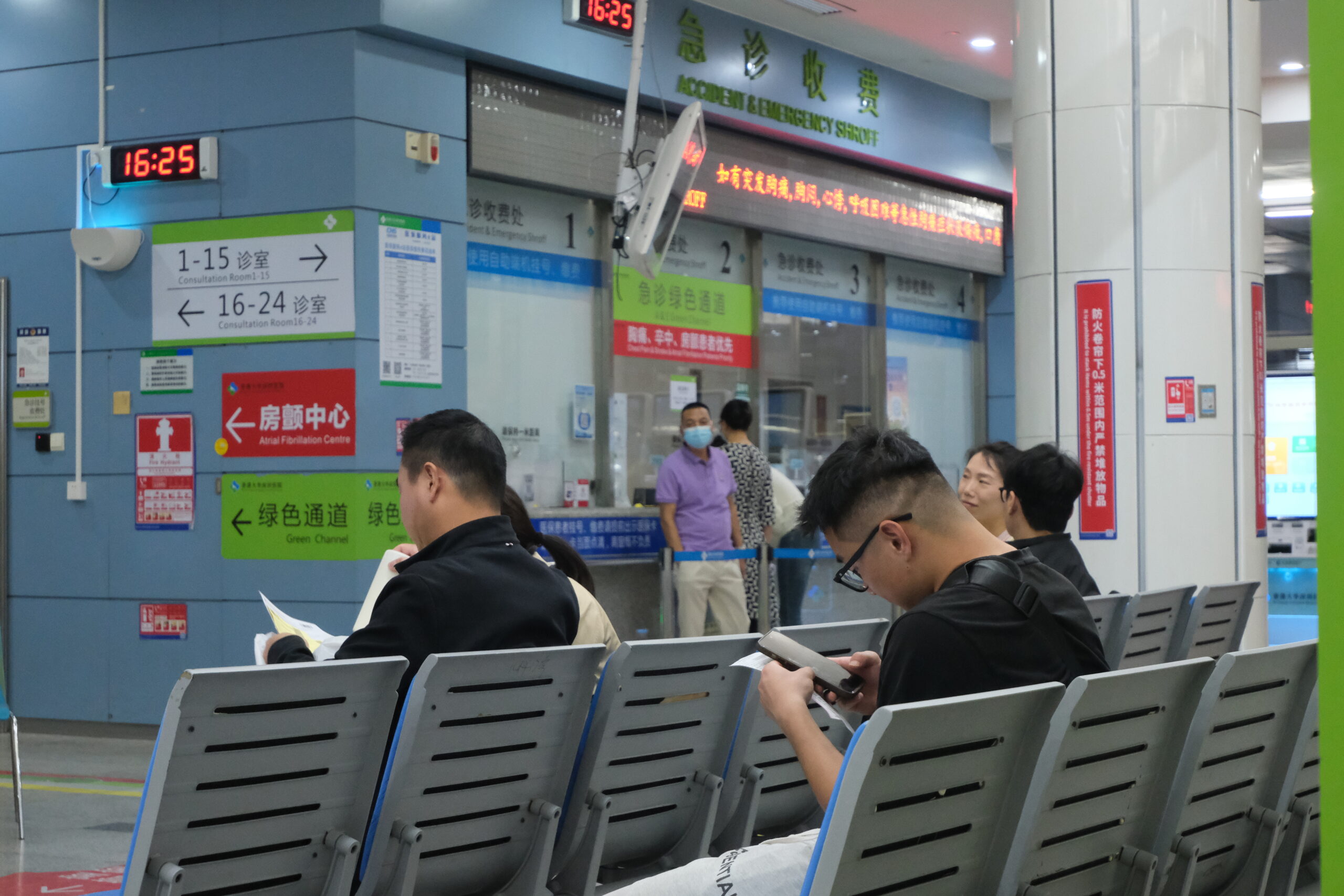
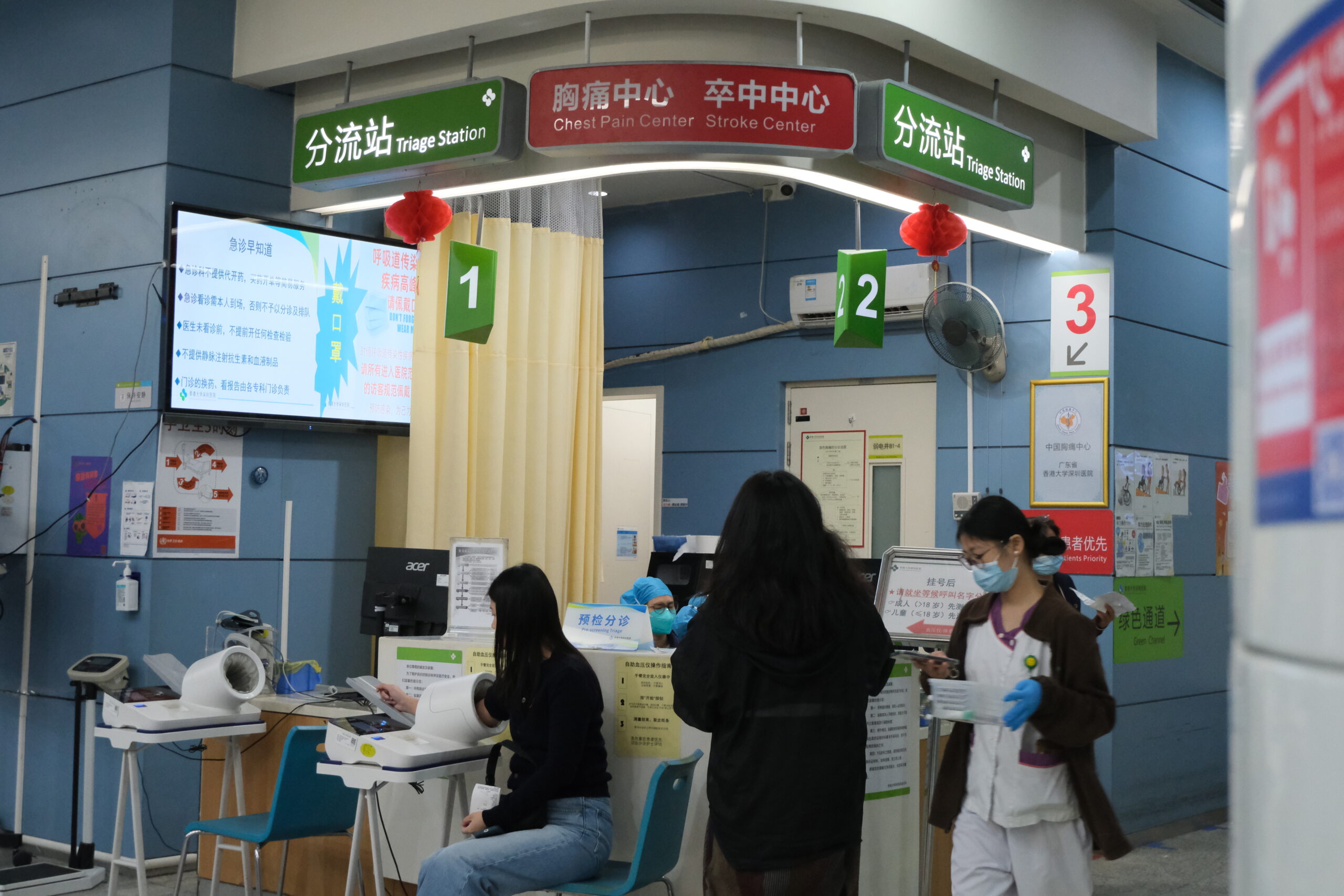
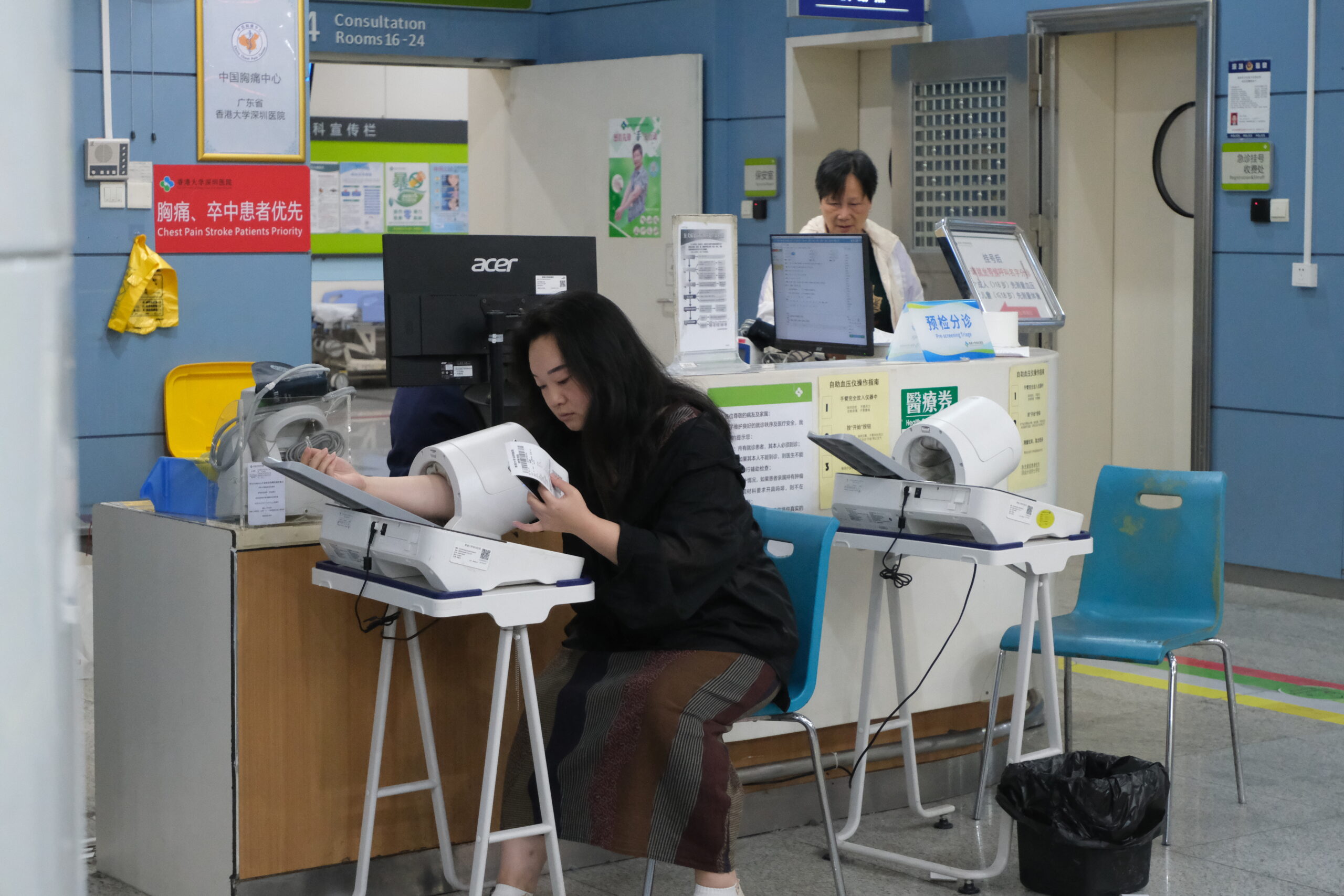
The emergency room at the University of Hong Kong-Shenzhen Hospital, Shenzhen. (Credit: Wu Yufei)
“In Hong Kong, we remember our patients and their cases clearly,” she said. “That reflection helps us improve.”
She likened the difference to squeezing juice: “If you rush, you only get a little. But if you take your time, you get more. It’s the same with surgery, doing more doesn’t always mean learning more.”
Mainland efficiency and lower costs appeal to Hongkongers, while Hong Kong’s regulatory flexibility — such as allowing egg freezing — draws some mainland residents.
Wang shared insights into differences in reproductive medicine practices across the border.
She emphasized that the rise in cross-border healthcare is not just about personal choice— policy support has played a major role.
Her hospital and its community clinic were the first in mainland China to accept Hong Kong’s healthcare vouchers, starting in 2015. The voucher scheme provides eligible Hong Kong residents aged 65 and above with HK$2,000 a year, which can accumulate to HK$8,000.
In February 2025, this program expanded to seven medical institutions across the Greater Bay Area, which connects Hong Kong, Macau, and nine cities in Guangdong province. Five of these institutions provide integrated medical services, and two offer dental care.

Since the program began at HKU-SZH in 2015, over 22,200 people have used the voucher, according to 2024 data from the Hong Kong Hospital Authority. The government has extended the program for another year and may expand it to more cities in the region.
To further improve access for Hongkongers living on the mainland, a 2023 pilot scheme lets patients with scheduled Hong Kong appointments receive follow-up care at HKU-SZH for just 100 yuan per visit, capped at 2,000 yuan per year.
Hong Kong’s eHealth system also added new features in July 2024 to address data-sharing barriers, allowing patients to upload and share mainland medical records. But integration remains limited.

Dr. Yu Sze Yuen
“Most Hong Kong records are in English, while mainland hospitals use Chinese,” said Dr. Yu Sze Yuen, former head of cross-border medical affairs at HKU-SZH. “It’s hard to understand each other’s reports.”
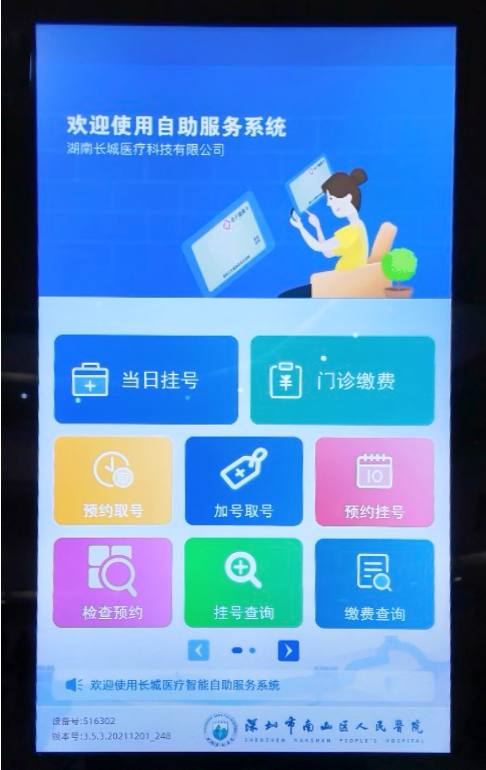
Yu also noted that most medical services in mainland China — from booking to payment — are done through mobile apps, which can be hard for older Hong Kong patients. Language is another obstacle.
Many Hong Kong patients do not speak Mandarin, while most mainland doctors lack Cantonese training, Yu added.
He cautioned that these barriers could hinder the growth of cross-border healthcare.


CREATED BY WU YUFEI, LIANG RAOCHUAN
ADVISED BY DIANA JOU
SPECIAL THANKS TO ALL OUR INTERVIEWEES