
Shot On Film
Feeding Hong Kong For Decades
By Clarisse Choo
Cha chaan tengs are often romanticised for its frenetic energy: the shouted orders, the clatter of ceramic mugs and steel cups, the cup of hot tea to wash your utensils that is set down right after you’re seated. This rush is what most people picture, but its soul also exists in the quiet hours, when the rush fades. In a city that is constantly evolving, a handful of cafes have stood rooted in its time. This is a pilgrimage to three of them, captured through film.
Cha chaan tengs are often romanticised for its frenetic energy: the shouted orders, the clatter of ceramic mugs and steel cups, the cup of hot tea to wash your utensils that is set down right after you’re seated. This rush is what most people picture, but its soul also exists in the quiet hours, when the rush fades. In a city that is constantly evolving, a handful of cafes have stood rooted in its time. This is a pilgrimage to three of them, captured through film.
Set meals from the set on screen
Mido Café – Yau Ma TeiEstablished in 1950, Mido Café is iconic as one of the filming locations for Stephen Chow’s beloved comedies The Lucky Guy (1998) and King of Comedy (1999).
It is picturesque establishment that gives you the retro and rustic old Hong Kong feel that you would expect to immerse yourself in.
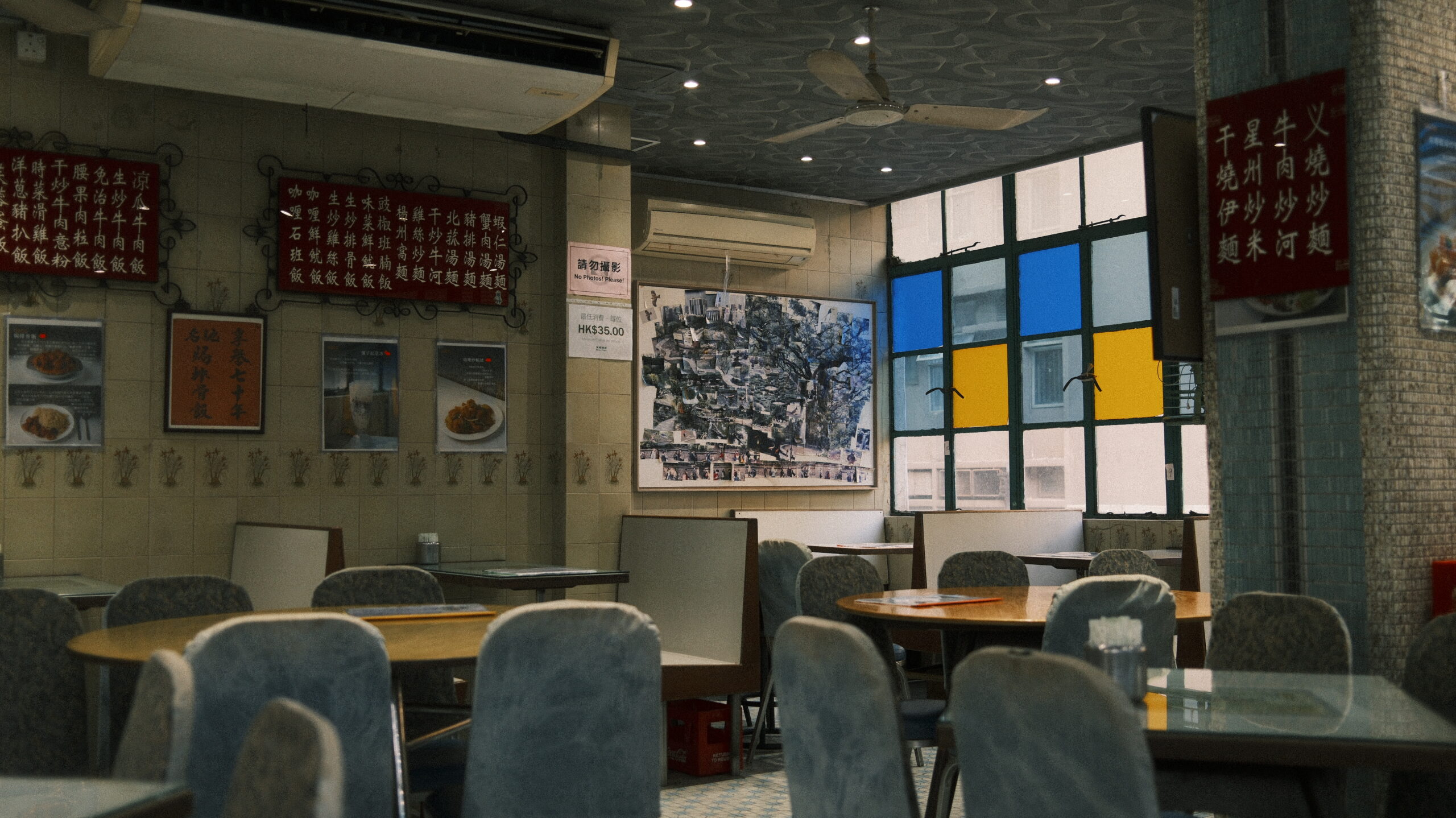
The interior of the second floor of the cafe is the most popular spot for photos as the stained glass panels and wall decor makes it a perfect retro Hong Kong background.
Situated in Yau Ma Tei, it sits within an easy reach of Mongkok, Jordan and Tsim Sha Tsui, where many iconic tourist hotspots are, making it a great spot to stop over for a meal – to experience the local fast food in an authentic cha chaan teng.
It’s a historic cha chaan teng that holds fond memories for many Hongkongers. Its French toast is a popular choice, the bread sliced into two triangles, topped with butter and condensed milk makes it a comforting warm sweet treat.
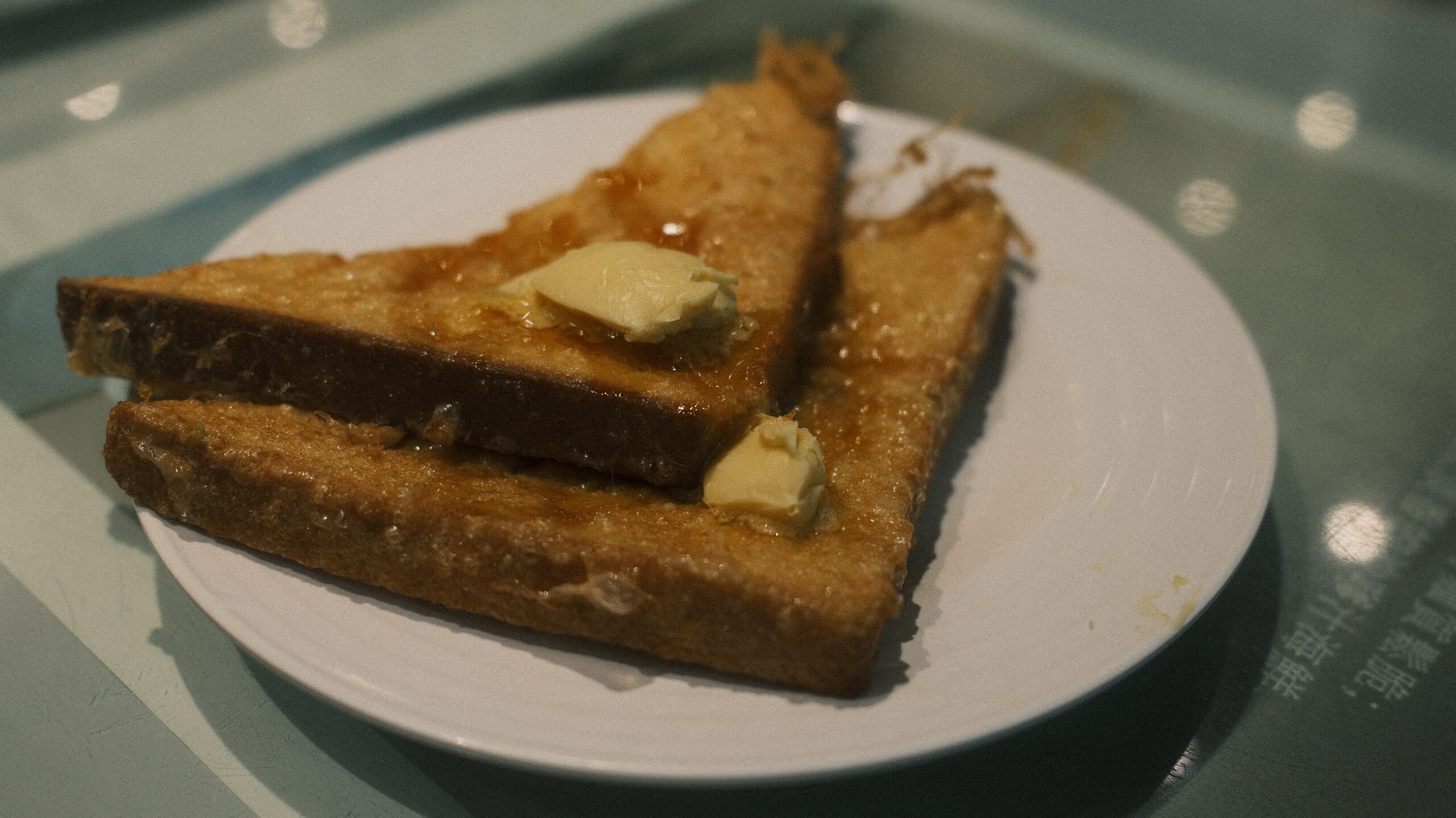
A cha chaan teng staple and the servers’ go-to recommendation. The condensed milk hits harder in the French toast served here.
Around the premises, there are several signs that read ‘No Photos’. This cha chaan teng has gained a lot of internet attention for its retro aesthetics, and many tourists have visited the place for the sole purpose of getting photos for their travel logs. This can be disruptive for the business, especially during busy mealtimes.
However, during off-peak hours, the owners are happy to allow for photos as long as it’s not disruptive and you make a minimum order of HKD35, paid in cash only.
The quiet hours reveal a calmer energy that such an old establishment can have as it holds decades worth of memories and service to the people of Hong Kong.
OPENING HOURS
HOW TO GET HERE?
Established in 1950, Mido Café is iconic as one of the filming locations for Stephen Chow’s beloved comedies The Lucky Guy (1998) and King of Comedy (1999).
It is picturesque establishment that gives you the retro and rustic old Hong Kong feel that you would expect to immerse yourself in.
The interior of the second floor of the cafe is the most popular spot for photos as the stained glass panels and wall decor makes it a perfect retro Hong Kong background.
Situated in Yau Ma Tei, it sits within an easy reach of Mongkok, Jordan and Tsim Sha Tsui, where many iconic tourist hotspots are, making it a great spot to stop over for a meal – to experience the local fast food in an authentic cha chaan teng.
It’s a historic cha chaan teng that holds fond memories for many Hongkongers. Its French toast is a popular choice, the bread sliced into two triangles, topped with butter and condensed milk makes it a comforting warm sweet treat.
A cha chaan teng staple and the servers’ go-to recommendation. The condensed milk hits harder in the French toast served here.
Around the premises, there are several signs that read ‘No Photos’. This cha chaan teng has gained a lot of internet attention for its retro aesthetics, and many tourists have visited the place for the sole purpose of getting photos for their travel logs. This can be disruptive for the business, especially during busy mealtimes.
However, during off-peak hours, the owners are happy to allow for photos as long as it’s not disruptive and you make a minimum order of HKD35, paid in cash only.
The quiet hours reveal a calmer energy that such an old establishment can have as it holds decades worth of memories and service to the people of Hong Kong.
OPENING HOURS
HOW TO GET HERE?
Meals that feel like Home
Lam Yuen Restaurant – Diamond HillFurther out from the city, tucked in the humble residential quiet of Fu Shan Estate in Diamond Hill, Lam Yuan Restaurant has fed the neighborhood since 1978 – established the same year the public housing estate itself was built.
The bakery counter at the entrance displays pineapple buns and old Hong Kong pastries under warm light, a classic window display of most cha chaan tengs.
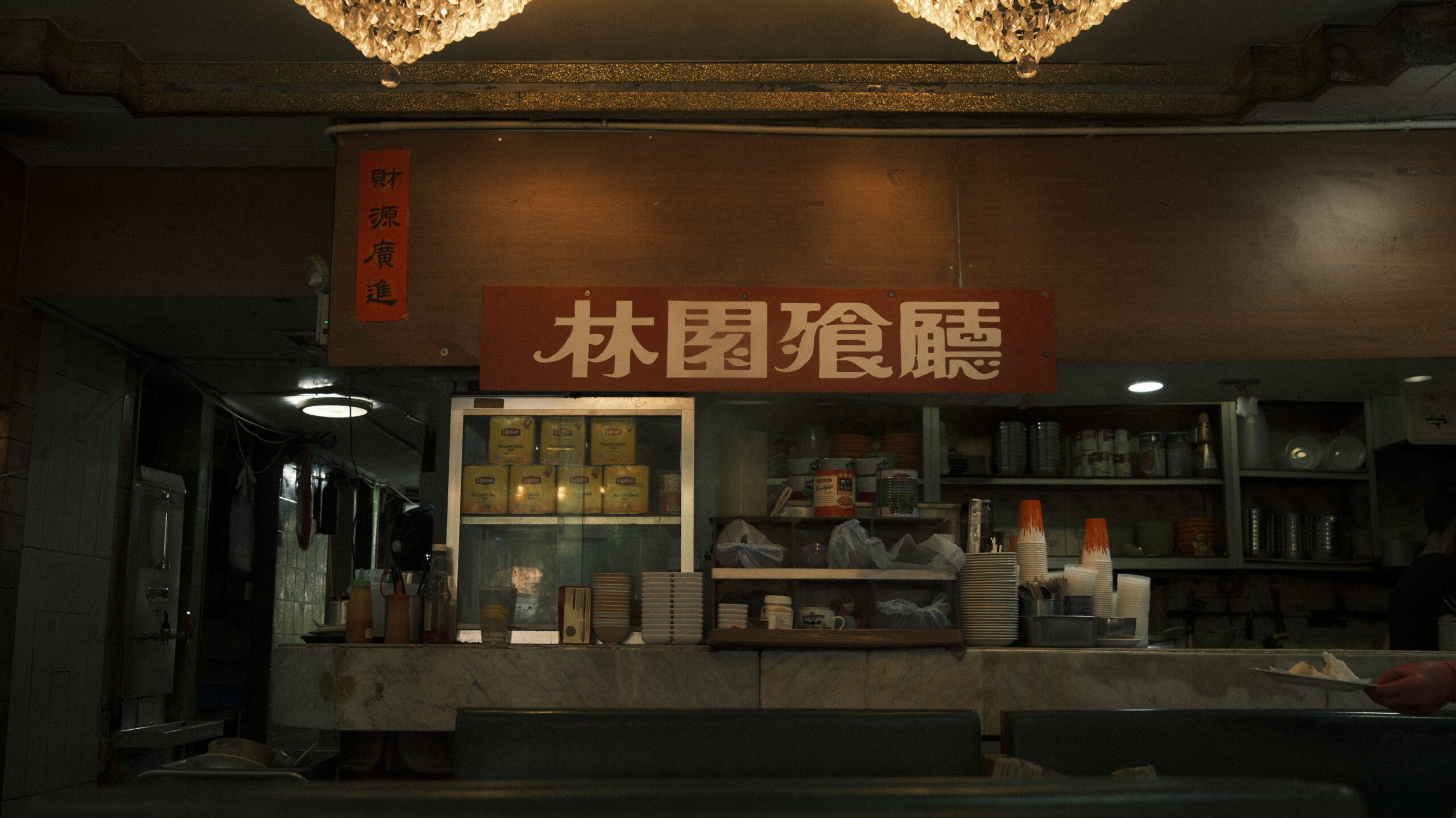
Everything is within reach of this kitchen counter. As the steam from the kitchen dissipates into the air, the food is already on its way to you.
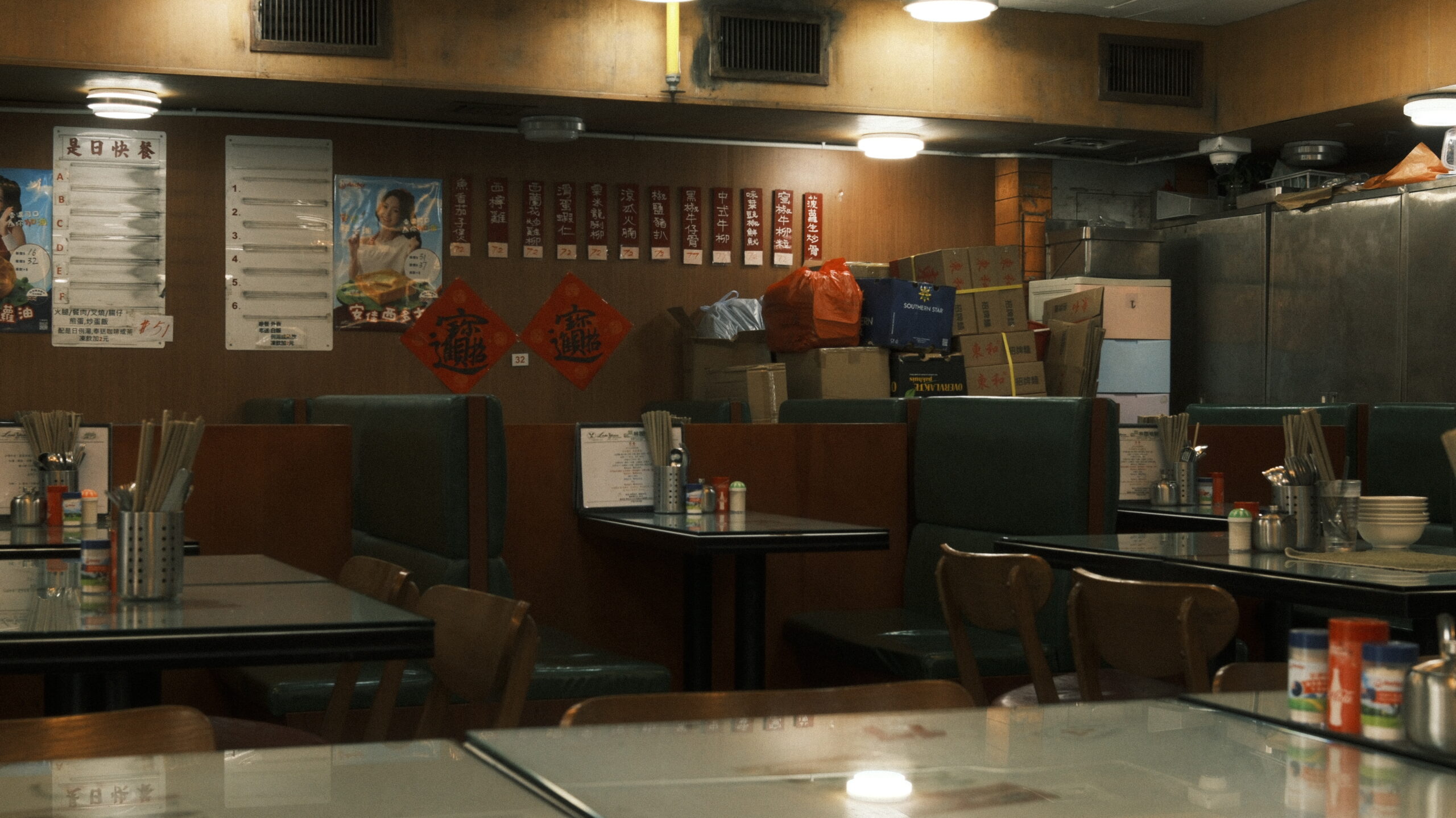
The green leather booth seats are the key feature that invokes a sense of nostalgia, it embraces the past and takes you back to the 70s
A key iconic feature of this cha chaan teng is their dark green cushioned seats for its booths, which date back to the golden era of bing sutts (ice rooms) from the 1950s to the 1970s, an era where cha chaan tengs were on the rise.
The staff are unhurried and greet every customer with warmth; most have aged with the restaurant and have accumulated decades of service to Fu Shan Estate and anyone else who finds their way in.
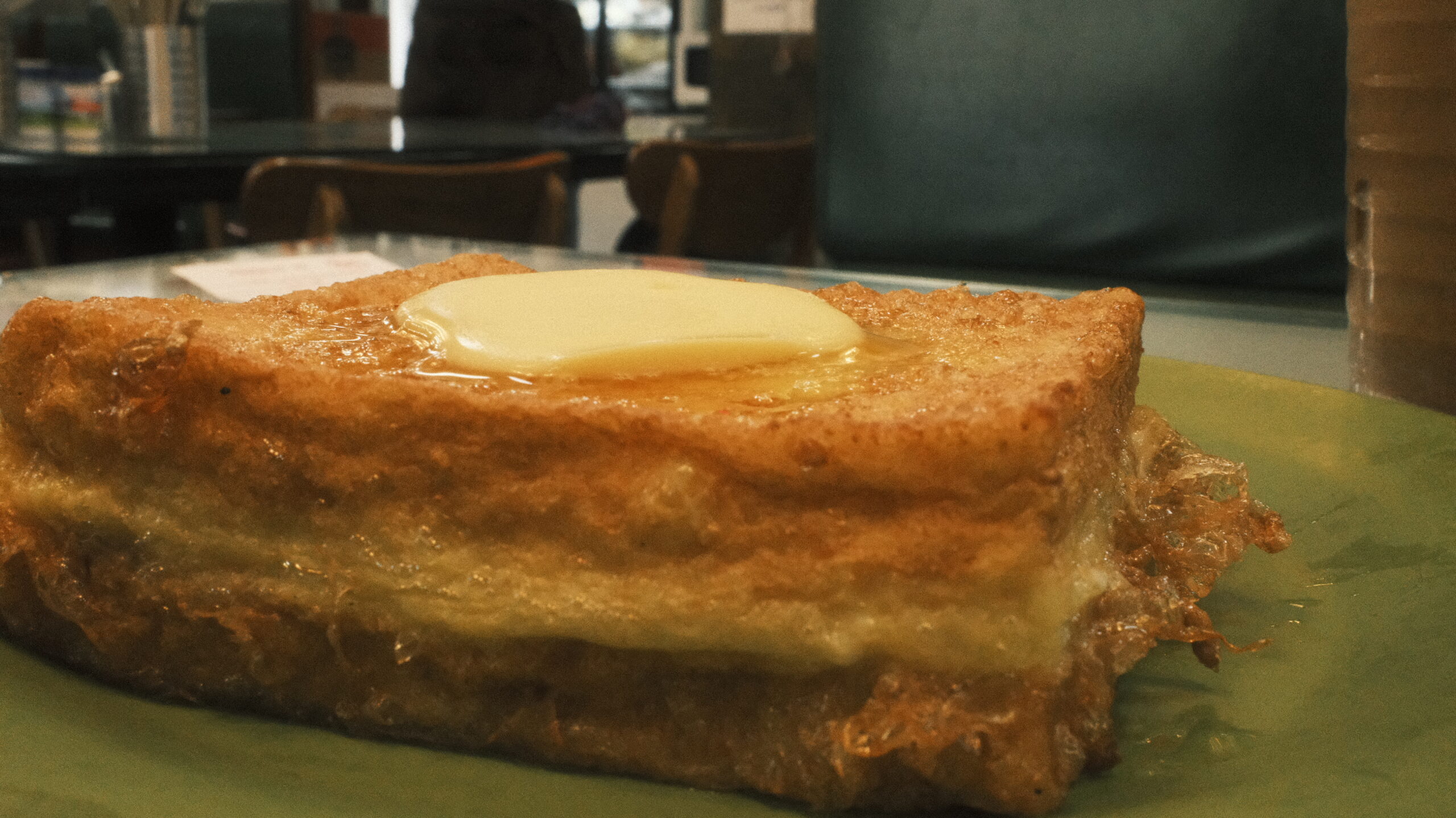
This French toast is served with honey as an option instead, that’ll make you go “its not too sweet”. Its thick toast is sliced from Life Bread; the loaf of bread that has fed Hong Kong for decades.
Lam Yuen Restaurant doesn’t ask to be discovered. It has simply been here, serving the people of Fu Shan Estate, and the people who make the trip down.
OPENING HOURS
HOW TO GET HERE?
Further out from the city, tucked in the humble residential quiet of Fu Shan Estate in Diamond Hill, Lam Yuan Restaurant has fed the neighborhood since 1978 – established the same year the public housing estate itself was built.
The bakery counter at the entrance displays pineapple buns and old Hong Kong pastries under warm light, a classic window display of most cha chaan tengs.
Everything is within reach of this kitchen counter. As the steam from the kitchen dissipates into the air, the food is already on its way to you.
The green leather booth seats are the key feature that invokes a sense of nostalgia, it embraces the past and takes you back to the 70s
A key iconic feature of this cha chaan teng is their dark green cushioned seats for its booths, which date back to the golden era of bing sutts (ice rooms) from the 1950s to the 1970s, an era where cha chaan tengs were on the rise.
The staff are unhurried and greet every customer with warmth; most have aged with the restaurant and have accumulated decades of service to Fu Shan Estate and anyone else who finds their way in.
This French toast is served with honey as an option instead, that’ll make you go “its not too sweet”. Its thick toast is sliced from Life Bread; the loaf of bread that has fed Hong Kong for decades.
Lam Yuen Restaurant doesn’t ask to be discovered. It has simply been here, serving the people of Fu Shan Estate, and the people who make the trip down.
OPENING HOURS
HOW TO GET HERE?
Off the Beaten Path
Yuen Wah Bingsat -- Kwun TongEstablished in 1962, this Hong Kong Café is tucked away in Cha Kwo Ling village. A small and humble café that has found its way onto the radar of those willing to make a detour.
The walk to the café, known as a bing sutt (ice rooms) in its time, takes you down a narrow alley lined with longstanding old stores. As you walk, the elderly proprietors of the surrounding shops may look up from their work as you pass. Once you arrive, it looks like a small shed from the outside; its interior sends you back to the sixties.
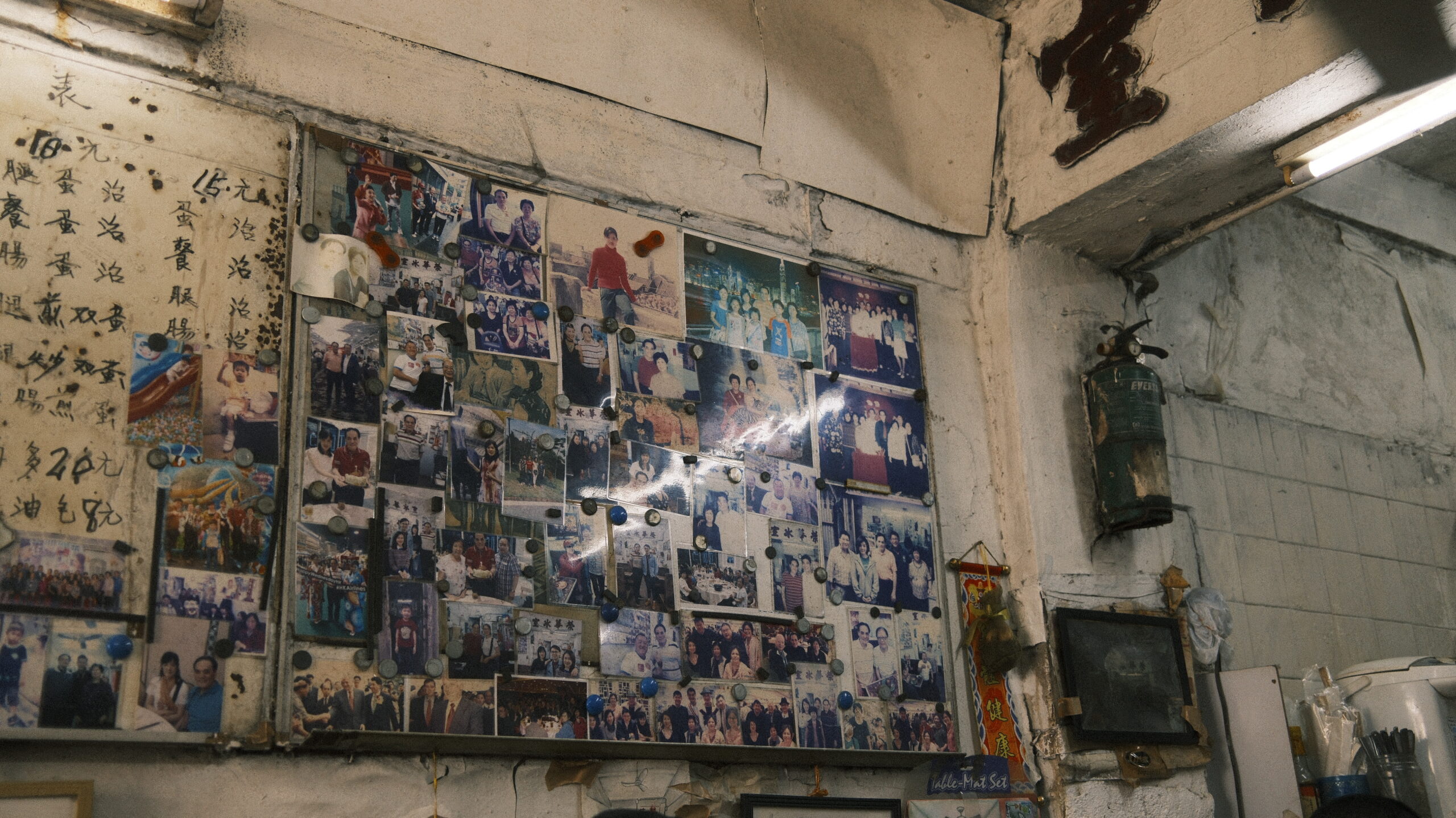
The air is quiet, and the patrons are a mix of locals who know the owner personally and tourists who made the trip specifically for its aged aesthetics and authentic cha chaan teng food.
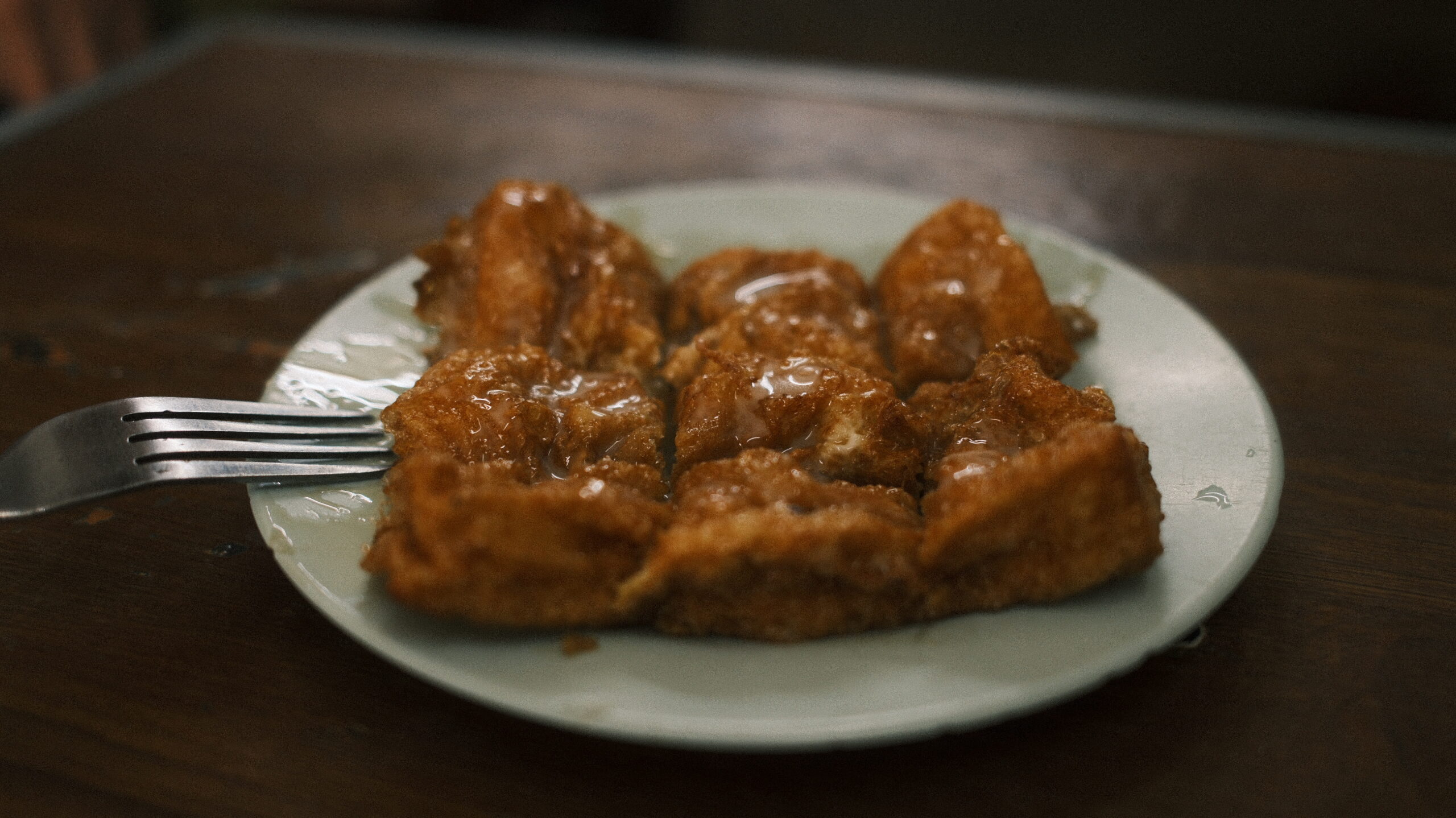
Bite-sized French toast that feel like a metaphor for the owner’s dedication to serving food that warms the body and heart.
When you order the French toast, it comes sliced up into bite sized pieces, a small gesture most places wouldn’t bother with – it felt like an added element of care in the food he served.
The village of Cha Kwo Ling is one of the last of its kind in Kwun Tong, a district that has is undergoing heavy redevelopment. Yuen Wah sits in the middle of it all, unchanged and untouched by the city’s urgency.
OPENING HOURS
HOW TO GET HERE?
Established in 1962, this Hong Kong Café is tucked away in Cha Kwo Ling village. A small and humble café that has found its way onto the radar of those willing to make a detour.
The walk to the café, known as a bing sutt (ice rooms) in its time, takes you down a narrow alley lined with longstanding old stores. As you walk, the elderly proprietors of the surrounding shops may look up from their work as you pass. Once you arrive, it looks like a small shed from the outside; its interior sends you back to the sixties.
The air is quiet, and the patrons are a mix of locals who know the owner personally and tourists who made the trip specifically for its aged aesthetics and authentic cha chaan teng food.
Bite-sized French toast that feel like a metaphor for the owner’s dedication to serving food that warms the body and heart.
When you order the French toast, it comes sliced up into bite sized pieces, a small gesture most places wouldn’t bother with – it felt like an added element of care in the food he served.
The village of Cha Kwo Ling is one of the last of its kind in Kwun Tong, a district that has is undergoing heavy redevelopment. Yuen Wah sits in the middle of it all, unchanged and untouched by the city’s urgency.
OPENING HOURS
HOW TO GET HERE?
How to Make Delicious Hong Kong-style French Toast?
Conceptualised by Li Jiachen Anna
Illustrated by Shen Yunting Bunnnie
Interactive element generated with Claude Sonnet 4.6. All written content are real and sourced by Jiachen Li and the illustrations are created by Bunnie Shen.
Interactive element generated with Claude Sonnet 4.6. All written content are real and sourced by Jiachen Li and the illustrations are created by Bunnie Shen.
Extra Credits
Advisor
Diana Jou
Editor in Chief
Clarisse Choo
Creative Directors
Syrena Jin
Cheryl Xie
Serena Zhou
Managing Editor
Jiachen Li
Visual Producer
Jingyi Huang
